 5.0 of 433 reviews
  5.0 of 309 reviews 5.0 of 433 reviews 5.0 of 309 reviews
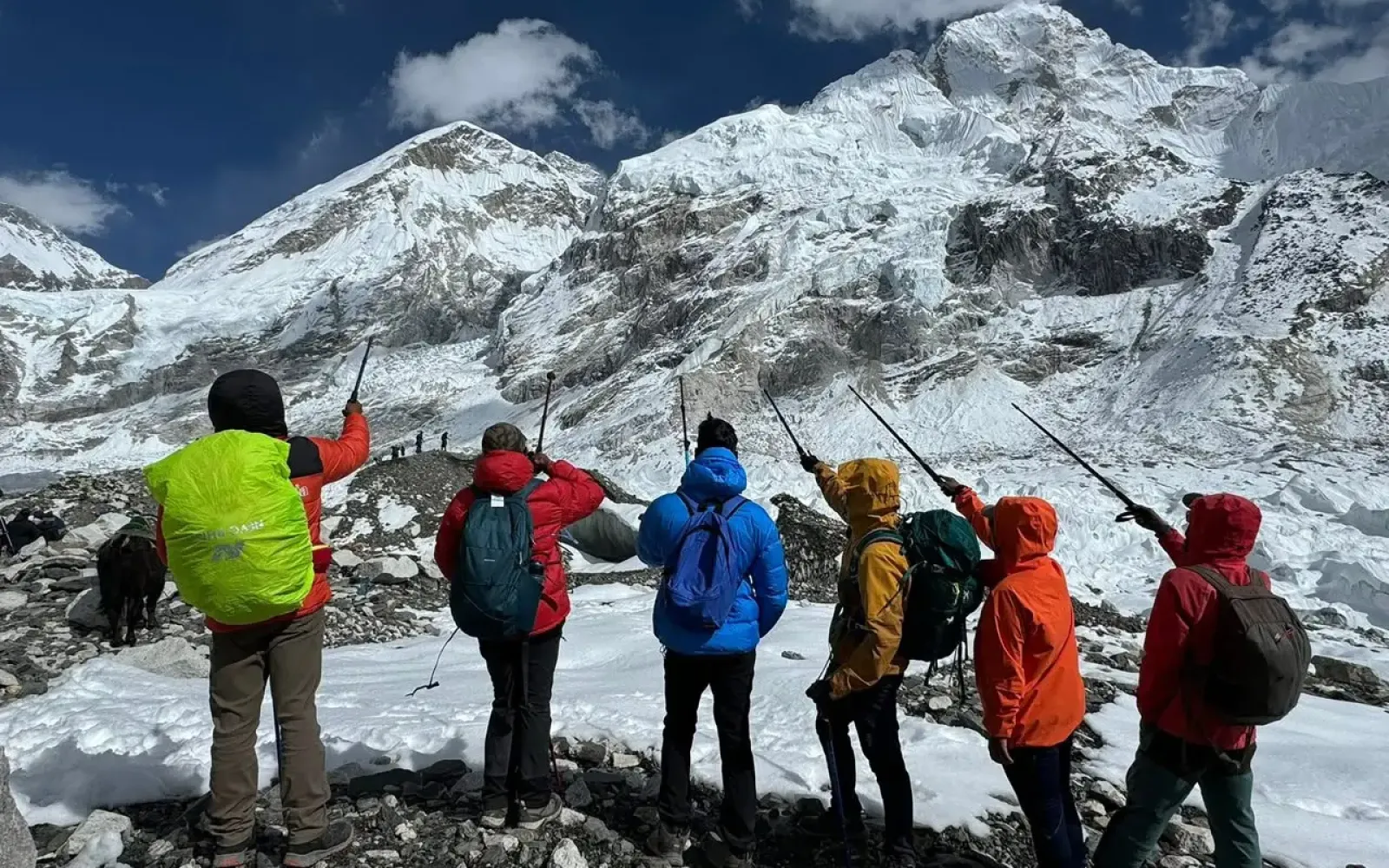
You have made the proper decision if you are considering going on a trek in Nepal during the autumn of the year. Between the middle of September and the end of November, the monsoon haze begins to lift, the trails begin to dry out, and the Himalayas become more prominent against the backdrop of deep blue skies. During this time of year, guides will no longer check the weather prediction every hour, flights will operate with greater dependability, and a week spent on the trail will feel more like a gift than a gamble.
Detailed information on the top ten fall hikes in Nepal is provided in this book. The altitude profile, a day-by-day itinerary snapshot, an accurate description of the weather, permits and an estimate of the prices, a list of people who are suitable for the trip, and a useful piece of advice that we have gleaned from our years of experience working with people who are trekking in the mountains are all included in each and every route. The following parts will assist you in selecting the appropriate month, packing appropriately, creating a realistic budget, training sensibly, and avoiding the most typical blunders.
Quick picks: Best overall: Everest Base Camp. Best for beginners: Ghorepani Poon Hill. Best short trek: Mardi Himal. Best for solitude: Manaslu Circuit. Best for culture: Upper Mustang.
Ask any guide in Kathmandu when they like to walk, and they would reply October without a second thought. After the summer rains, the air is clear and the mountains seem within reach. Autumn has also the most reliable weather of the year, which is important when scheduling flights and trips months ahead. Nepal offers four hiking seasons however only autumn and spring (March to May) offer consistent weather and acceptable temperatures. The simple reason fall has the edge is visibility.
During the monsoon, moisture and dust hang over the hills and mountains disappear for weeks at a time. By early October, months of rain have scrubbed the atmosphere clean. Views of Everest, Lhotse, Ama Dablam, Annapurna, Dhaulagiri and Manaslu are at their sharpest, usually from first light until late morning. Cloud commonly builds in the afternoon at higher altitudes, which is why experienced guides push for early starts and place the big viewpoints (Kala Patthar, Poon Hill, Gokyo Ri) at sunrise.
The monsoon usually withdraws from Nepal during the second half of September. Trails that were slippery and leech-prone in August firm up, rivers drop and landslide risk falls. Days are warm in the valleys and cold at night higher up, but heavy rain or snowfall is uncommon, so itineraries rarely have to be rewritten on the fly. Stable weather also means safer high-pass crossings, such as Thorong La, Larkya La and Cho La, and fewer cancelled mountain flights.
Nepal’s two biggest festivals fall in autumn. Dashain, a 15-day celebration of the goddess Durga, usually lands in October. Tihar, the festival of lights, follows in late October or November. On the trail you will see bamboo swings built in villages, red tika blessings, houses decorated with marigold garlands and oil lamps, and families travelling home from the cities. It is a wonderful time to be in Nepal, but plan for it: buses, jeeps and domestic flights fill up quickly, some shops and lodges close for a few days, and prices for transport can rise. Add a buffer day to your itinerary and book transport as early as you can.
Durations and costs vary by operator and itinerary, so treat this table as a planning guide. The exact plan for each route is on its trek page.
Trek | Duration | Max Altitude | Difficulty | Best Month | Starting Cost (approx.) |
|---|---|---|---|---|---|
Everest Base Camp | 12-14 days | 5,545 m | Moderate to hard | Oct | USD 1,300 |
Annapurna Circuit | 12-18 days | 5,416 m | Hard | Oct | USD 1,200 |
Annapurna Base Camp | 7-10 days | 4,130 m | Moderate | Oct | USD 700 |
Manaslu Circuit | 14-16 days | 5,160 m | Hard | Oct | USD 900 |
Langtang Valley | 7-10 days | 4,773 m | Moderate | Oct-Nov | USD 600 |
Gokyo Lakes | 10-12 days | 5,357 m | Moderate to hard | Oct | USD 1,300 |
Ghorepani Poon Hill | 4-5 days | 3,210 m | Easy | Sep-Nov | USD 400 |
Mardi Himal | 5-7 days | 4,500 m | Easy to moderate | Oct-Nov | USD 500 |
Everest Three Passes | 17-19 days | 5,535 m | Very hard | Oct | USD 1,800 |
Upper Mustang | 10-14 days | 3,840 m | Moderate | Sep-Oct | USD 2,200 |
These are ranked by how well they suit the season: reliable views, workable logistics and a good balance of challenge and reward. Altitudes are approximate and itineraries can be adjusted, so always confirm the final plan with your operator.
Quick facts: 12-14 days | 5,364 m at Base Camp, 5,545 m at Kala Patthar | Moderate to hard | Best in October | Region: Khumbu
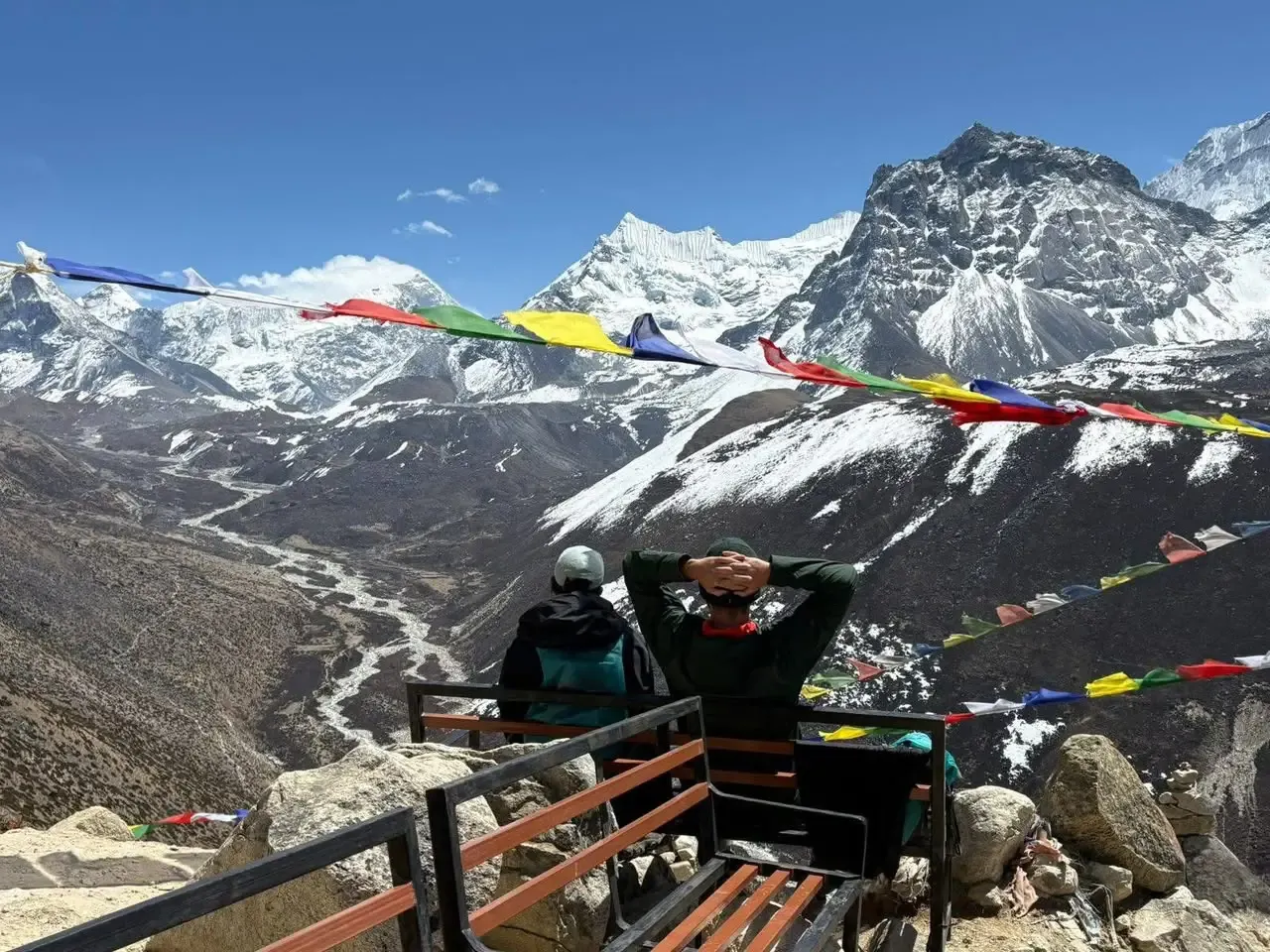
The Everest Base Camp trek is the classic for a reason. You walk for more than a week through Sherpa villages, cross high suspension bridges draped with prayer flags, pass mani walls and chortens, visit Tengboche monastery and finish beneath the Khumbu Icefall at the foot of the world’s highest mountain. In autumn the trail is lively, the lodges are warm and the views of Everest, Lhotse, Nuptse, Ama Dablam and Pumori are as good as they get.
Highlights:
The dramatic flight into Lukla, one of the most scenic mountain airstrips in the world.
Namche Bazaar, the Sherpa trading town set in a natural amphitheatre.
Tengboche Monastery, with Ama Dablam rising behind it.
Sunrise from Kala Patthar, the best viewpoint for Everest on this trek.
The Khumbu Glacier and the chance to stand at Everest Base Camp itself.
Daily itinerary snapshot: You fly from Kathmandu to Lukla (2,860 m) and walk to Phakding (2,610 m). Day two climbs to Namche Bazaar (3,440 m), followed by an acclimatization day with a hike to the Everest View Hotel or Khumjung. The trail then continues via Tengboche (3,860 m) to Dingboche (4,410 m), where you take a second rest day. From there you walk to Lobuche (4,910 m), then Gorak Shep (5,140 m) and Everest Base Camp (5,364 m). The next morning, you climb Kala Patthar (5,545 m) for sunrise before the long descent. The return to Lukla usually takes four to five days, retracing the valley.
Autumn weather: Mornings are crisp and clear, afternoons can bring cloud, and nights are cold. Expect around 10 to 15°C in Namche during the day, and temperatures of -10°C or lower at Gorak Shep after dark in November.
Permits and costs: You need a Sagarmatha National Park permit and a Khumbu local-municipality permit, both arranged by your operator. Guided packages typically start around USD 1,300 and rise with group size, hotel standard and flight arrangements.
Who it’s for: First-time Himalayan trekkers with good general fitness and 12 to 14 free days. Be ready for crowds in October, particularly between Namche and Lobuche.
Insider tip: Book Lukla flights early and keep a spare day at the end. When flights are busy, some operate from Ramechhap rather than Kathmandu, which means a very early drive.
Quick facts: 12-18 days | 5,416 m (Thorong La Pass) | Hard | Best in October | Region: Annapurna
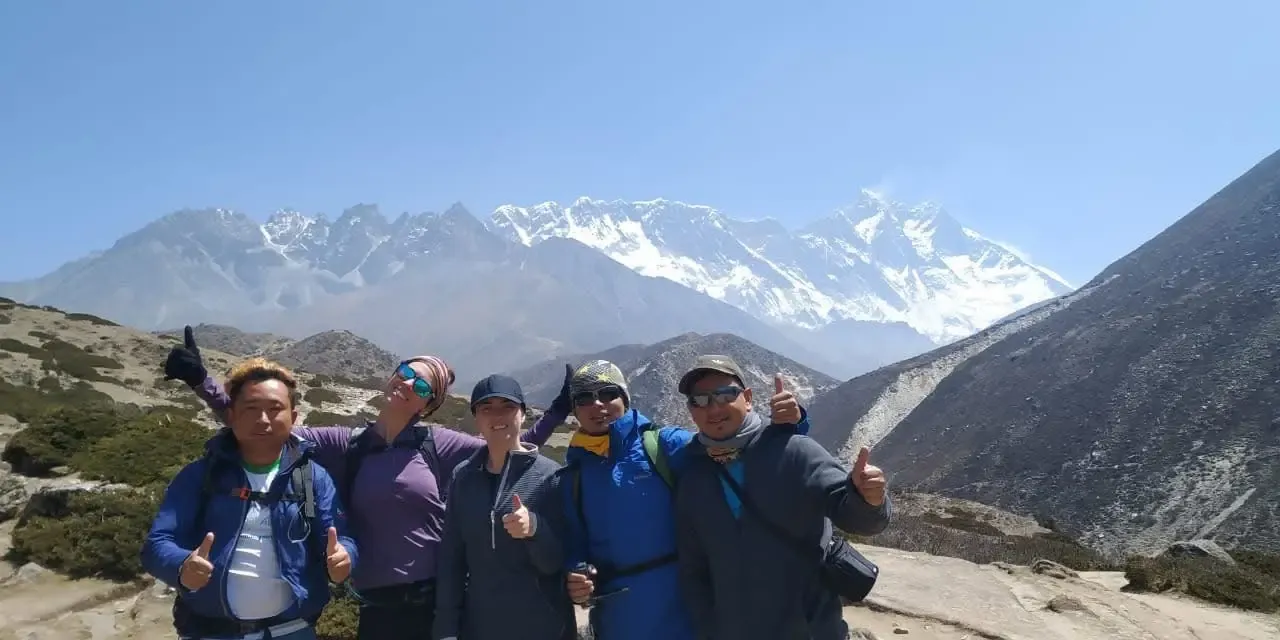
The Annapurna Circuit trek is about variety. In two weeks you move from subtropical rice terraces and waterfalls to pine forest, then to the dry, windswept landscape of Manang, and finally over Thorong La, one of the highest trekking passes in the world. You pass Hindu, Buddhist and Tibetan-influenced villages, so the culture changes almost as much as the scenery. A road now reaches parts of the route, but good itineraries use side trails, use jeeps strategically and keep the walking rewarding.
Highlights:
Views of Annapurna II, III and IV, Gangapurna and Tilicho Peak from the Manang valley.
Ice Lake and Tilicho Lake side trips for acclimatization.
Crossing Thorong La at 5,416 m.
Muktinath Temple, sacred to Hindus and Buddhists.
Descent through the Kali Gandaki, the world’s deepest gorge, to Jomsom and Marpha, known for its apples.
Daily itinerary snapshot: Most trekkers start at Besisahar or Syange and walk or drive through Chame (2,710 m) and Pisang (3,200 m) to Manang (3,540 m), where an acclimatization day is essential. The route continues to Yak Kharka (4,050 m), Thorong Phedi (4,450 m) or High Camp (4,800 m), and then over Thorong La early the next morning. You descend to Muktinath (3,760 m), then continue to Jomsom (2,720 m) for a flight or drive to Pokhara.
Autumn weather: Stable and dry. Mornings are calm and bright, but wind builds on Thorong La later in the day, so you start before dawn. Nights above 4,000 m are well below freezing.
Permits and costs: An Annapurna Conservation Area permit and TIMS are required. Packages usually start around USD 1,200 and vary with how much of the route is walked or driven.
Who it’s for: Fit walkers who want culture and scenery in one trip and are comfortable at 5,000 m or higher.
Insider tip: Do not rush the Manang stretch. Most altitude problems on this trek come from climbing from 3,540 m to High Camp too quickly.
Quick facts: 7-10 days | 4,130 m | Moderate | Best in October | Region: Annapurna
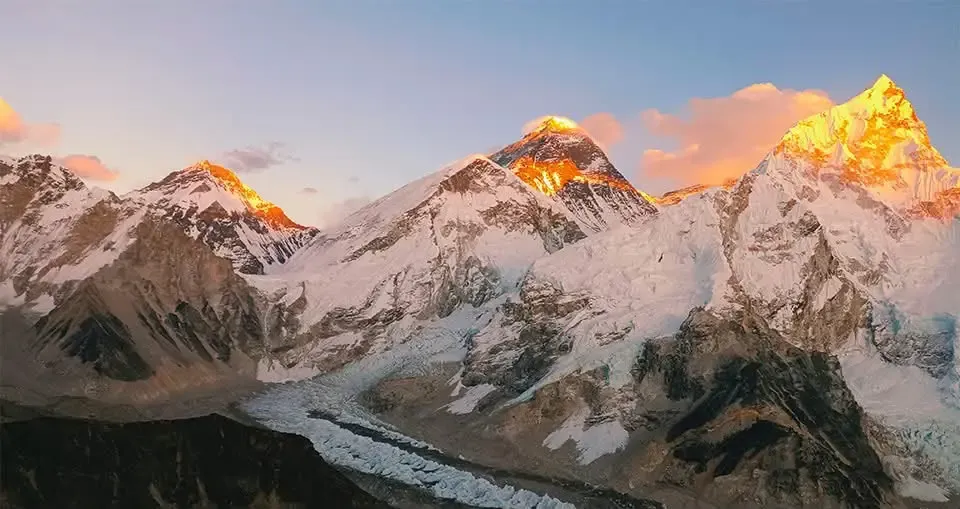
The Annapurna Base Camp trek takes you into a natural amphitheatre ringed by Annapurna I (8,091 m), Hiunchuli, Machhapuchhre and Gangapurna. It is an excellent choice if you want a real Himalayan trek without the multi-week commitment of Everest, and it offers a classic mix of culture, forest and glacier views.
Highlights:
Gurung villages such as Ghandruk and Chhomrong, with terraced fields and stone houses.
Rhododendron and bamboo forest on the climb through Sinuwa and Bamboo.
Machhapuchhre Base Camp and the final walk into the Sanctuary.
Sunrise at ABC, with the whole Annapurna range glowing orange.
The natural hot spring at Jhinu Danda on the way down.
Daily itinerary snapshot: You drive from Pokhara to Nayapul (1,070 m) and walk to Ghandruk (1,940 m) or Chhomrong (2,170 m). From there the trail descends to Sinuwa, climbs through Bamboo (2,310 m) and Deurali (3,230 m), and enters the Sanctuary at Machhapuchhre Base Camp (3,700 m) before ending at ABC (4,130 m). The return follows the same valley to Bamboo, then to Jhinu Danda (1,780 m) and out via Siwai or Nayapul.
Autumn weather: Warm in the lower valleys, cold at Base Camp at night. Mornings are usually clear, with cloud building later in the day.
Permits and costs: An Annapurna Conservation Area permit and TIMS. Packages commonly start around USD 700.
Who it’s for: Active beginners and anyone with a week to spare. The long stone staircases in the middle section are tiring, so trekking poles help.
Insider tip: Start the final climb from MBC to ABC early. Avalanche risk is lower in the morning, and the sunrise view is worth the cold.
Quick facts: 14-16 days | 5,160 m (Larkya La Pass) | Hard | Best in October | Region: Manaslu
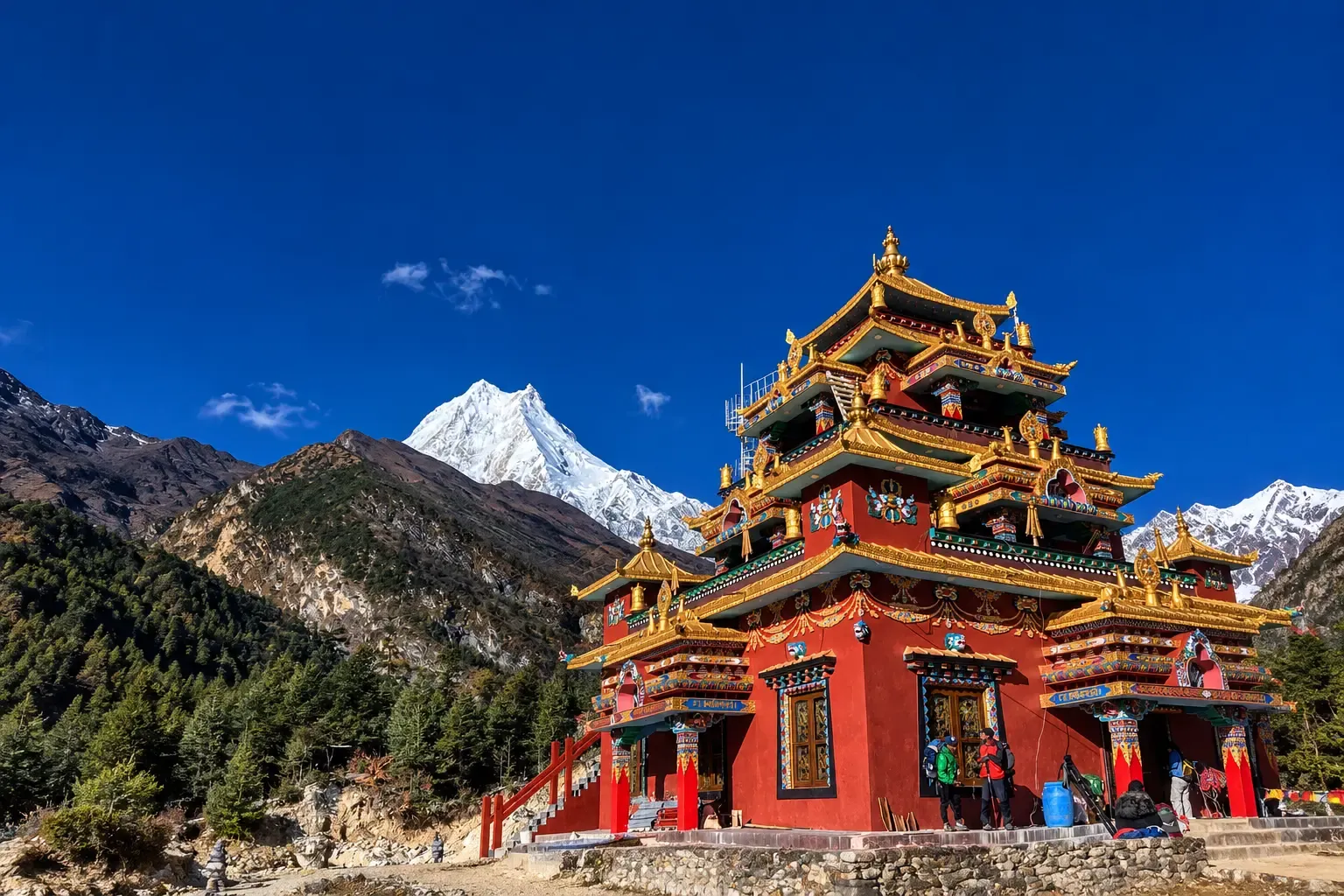
The Manaslu Circuit trek is for people who like the Annapurna Circuit but want quieter trails. Tibetan-influenced villages, monasteries and mani walls line the upper Budhi Gandaki valley, and the walking feels closer to traditional teahouse trekking. Manaslu (8,163 m) is the eighth-highest mountain in the world, and the circuit gives you a sustained, close-up look at it.
Highlights:
Deep river gorges and suspension bridges in the lower valley.
Villages such as Lho, Samagaon and Samdo, with their gompas and mani walls.
Pungyen Gompa and Manaslu Base Camp side trips.
The Larkya La crossing, with views of Himlung, Cheo Himal, Kang Guru and Annapurna II.
A relatively uncrowded trail compared with the big-name routes.
Daily itinerary snapshot: You drive to Soti Khola (700 m), follow the river through Machha Khola (900 m) and Jagat (1,340 m) to Deng (1,860 m), then climb through Namrung (2,630 m) and Lho (3,180 m) to Samagaon (3,530 m). A rest day with a side trip to Pungyen Gompa or Manaslu Base Camp helps acclimatization. Next come Samdo (3,860 m), Dharamsala (4,460 m) and the big day over Larkya La (5,160 m) to Bimthang (3,720 m). The trek finishes by descending to Dharapani (1,860 m).
Autumn weather: October is the sweet spot. By mid-November nights can be very cold and the pass may carry snow.
Permits and costs: The Manaslu region requires a Restricted Area Permit, a Manaslu Conservation Area permit and an Annapurna Conservation Area permit, plus a licensed guide. Most operators ask for at least two trekkers. The restricted permit has traditionally cost around USD 100 for the first week in autumn, with a daily rate after that, but fees change. Packages typically start around USD 1,500.
Who it’s for: Experienced trekkers looking for a remote route and happy with simpler lodges.
Insider tip: Build in a spare day before Larkya La. Weather and altitude can both force a change of plan, and a calm, unhurried crossing is much safer.
Quick facts: 7-10 days | 4,773 m (Kyanjin Ri) | Moderate | Best in October-November | Region: Langtang
The Langtang Valley trek is the closest high-mountain trek to Kathmandu. The valley is lined with oak and rhododendron forest, yak pastures and Tamang villages, and it is steadily rebuilding after the 2015 earthquake, which destroyed Langtang village. Kyanjin Gompa, a small settlement beneath Langtang Lirung (7,227 m), makes a calm base for day hikes and fresh local cheese.
Highlights:
Subtropical forest in the lower valley, with a chance to see red pandas and langur monkeys.
Tamang culture, mani walls and the rebuilt Langtang village.
A local cheese factory at Kyanjin Gompa.
Sunrise or sunset hikes to Kyanjin Ri (4,773 m) or Tserko Ri (4,984 m).
Close-up views of Langtang Lirung and Langtang II.
Daily itinerary snapshot: You drive from Kathmandu to Syabrubesi (1,550 m), then walk through bamboo and rhododendron forest to Lama Hotel (2,480 m). The next day takes you through Ghoda Tabela to Langtang village (3,430 m), and then on to Kyanjin Gompa (3,870 m). You spend a day exploring and climbing Kyanjin Ri or Tserko Ri, then descend via the same route, usually in two to three days.
Autumn weather: Mostly clear with cool nights. November is colder but quieter.
Permits and costs: A Langtang National Park permit and a TIMS card. Packages typically start around USD 600.
Who it’s for: Trekkers with limited time who still want big views, and people who prefer fewer crowds than Everest or Annapurna.
Insider tip: The road to Syabrubesi is long and bumpy. Leave Kathmandu early so you can reach the first lodge before dark.
Quick facts: 10-12 days | 5,357 m (Gokyo Ri) | Moderate to hard | Best in October | Region: Khumbu Region
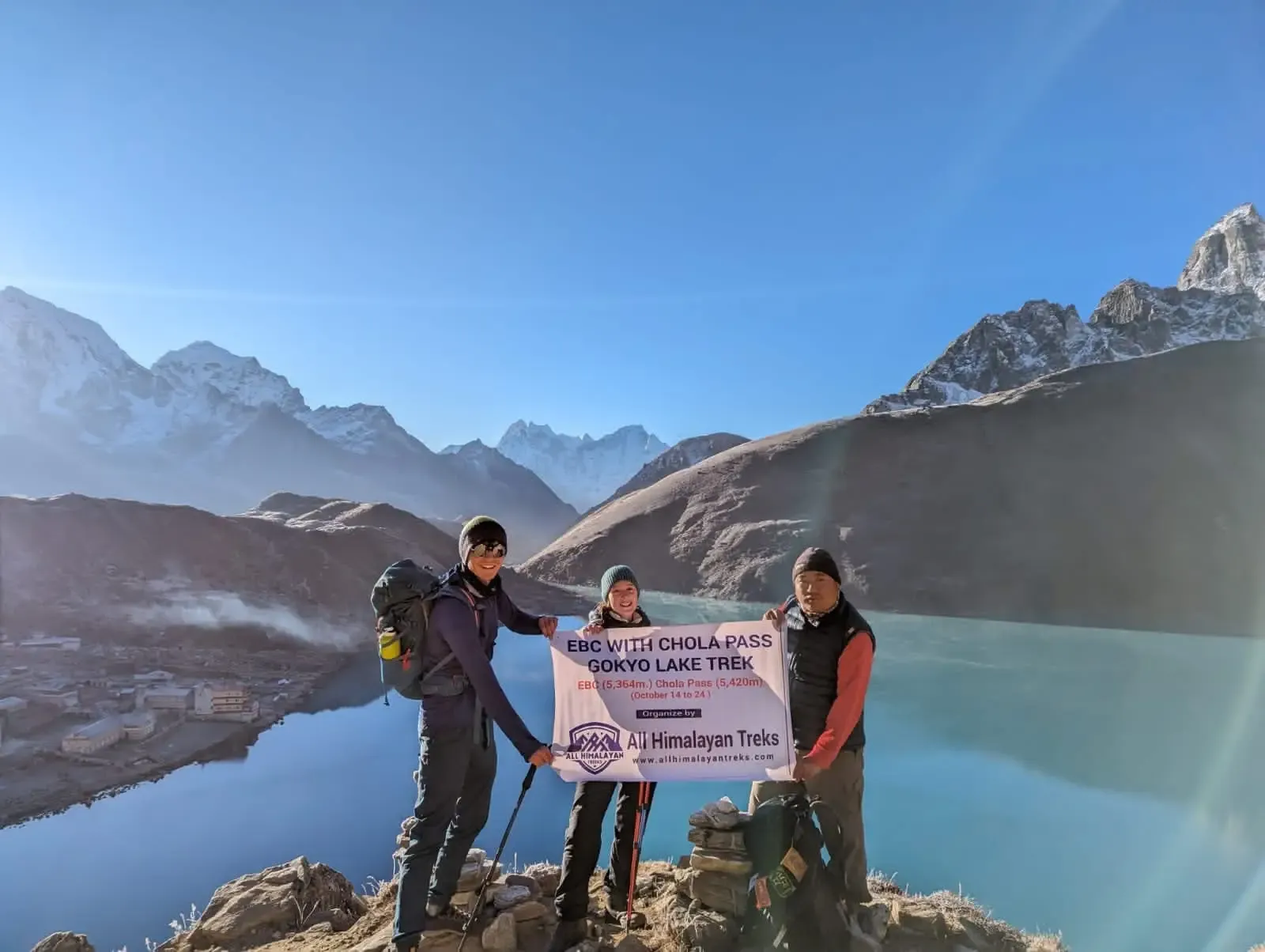
The Gokyo Lakes trek follows the Everest route as far as Namche, then branches into the quieter Gokyo valley. Turquoise glacial lakes sit beside the Ngozumpa Glacier, the longest in Nepal. The view from Gokyo Ri takes in four of the world’s six highest peaks: Everest, Lhotse, Makalu and Cho Oyu. Many trekkers feel it matches or beats the view from Kala Patthar.
Highlights:
The six main Gokyo lakes, which look their best in clear autumn light.
Gokyo Ri sunrise, with Cho Oyu, Everest, Lhotse and Makalu in one panorama.
Walking beside the huge Ngozumpa Glacier.
Quiet villages such as Dole and Machhermo, with fewer trekkers than the main trail.
Daily itinerary snapshot: You fly to Lukla and trek to Phakding, then to Namche Bazaar (3,440 m) for acclimatization. The route climbs through Mong La and Dole (4,040 m) to Machhermo (4,470 m), and then crosses a ridge to Gokyo (4,790 m). You hike Gokyo Ri (5,357 m) for sunrise, then return via the same valley to Lukla.
Autumn weather: Crisp and clear, with freezing nights. Lakes may begin to ice over by late November.
Permits and costs: The Sagarmatha National Park permit and the Khumbu local-municipality permit. Packages typically start around USD 1,300.
Who it’s for: Anyone who wants Everest-region scenery with fewer people than the main trail.
Insider tip: Ascend gradually from Machhermo to Gokyo. A short day with a good rest is better than a hard push that costs you the sunrise.
Quick facts: 4-5 days | 3,210 m | Easy | Best in September-November | Region: Annapurna
The Ghorepani Poon Hill trek packs rhododendron forest, Gurung and Magar villages and a sunrise over Dhaulagiri (8,167 m) and the Annapurna range into just a few days. It is the easiest way to see the Himalayas on foot, and it works well as a first trek.
Highlights:
The famous sunrise from Poon Hill, with Dhaulagiri, Annapurna I, Nilgiri and Machhapuchhre.
Forests of rhododendron, which bloom in spring but are still lovely in autumn.
Warm, welcoming villages like Ghandruk.
A manageable walking distance with comfortable lodges.
Daily itinerary snapshot: You drive from Pokhara to Nayapul and walk to Tikhedhunga (1,540 m) or Ulleri. The second day climbs the long stone staircase to Ghorepani (2,860 m). On the third morning you hike up Poon Hill (3,210 m) before dawn, return for breakfast and continue to Tadapani (2,630 m). The final day descends to Ghandruk (1,940 m) and drives back to Pokhara.
Autumn weather: Mild days and cool nights. Even September is usually fine, as the rain eases and the hills are green.
Permits and costs: An Annapurna Conservation Area permit and TIMS. Packages commonly start around USD 400.
Who it’s for: Beginners, families, short-holiday travellers and anyone who wants to test their trekking legs.
Insider tip: Leave for Poon Hill about 45 minutes before dawn with a headlamp and an extra layer. The summit is windy and crowded, so arrive early for a good view.
Quick facts: 5-7 days | 4,500 m (Mardi Himal Base Camp) | Easy to moderate | Best in October-November | Region: Annapurna
The Mardi Himal trek climbs a long ridge with Machhapuchhre, or Fishtail (6,993 m), looming beside you. Because you walk above the treeline for much of the route, the views feel wide open, and the trail is still quieter than Annapurna Base Camp.
Highlights:
Close, uninterrupted views of Machhapuchhre.
Moss-covered rhododendron and oak forest in the lower sections.
High Camp at 3,580 m, with a front-row seat for sunrise.
A shorter, more flexible itinerary with the option of finishing at Mardi Himal Base Camp.
Daily itinerary snapshot: You start near Kande (1,770 m) or Phedi and climb to Forest Camp (2,600 m), then to Low Camp (3,000 m) and High Camp (3,580 m). A pre-dawn hike takes you to the Mardi Himal viewpoint (about 4,200 m) and, for strong walkers, Base Camp (about 4,500 m), before returning to High Camp. The descent finishes at Siding and Lwang, then on to Pokhara.
Autumn weather: Clear days. Nights at High Camp are cold, so bring a proper down jacket.
Permits and costs: An Annapurna Conservation Area permit and TIMS. Packages commonly start around USD 500.
Who it’s for: Active beginners and short-trek lovers who want a high viewpoint without crowds.
Insider tip: Lodges at High Camp are simple and can fill in October. Start early and ask your guide to phone ahead.
Quick facts: 17-19 days | 5,535 m (Kongma La) | Very hard | Best in October | Region: Khumbu
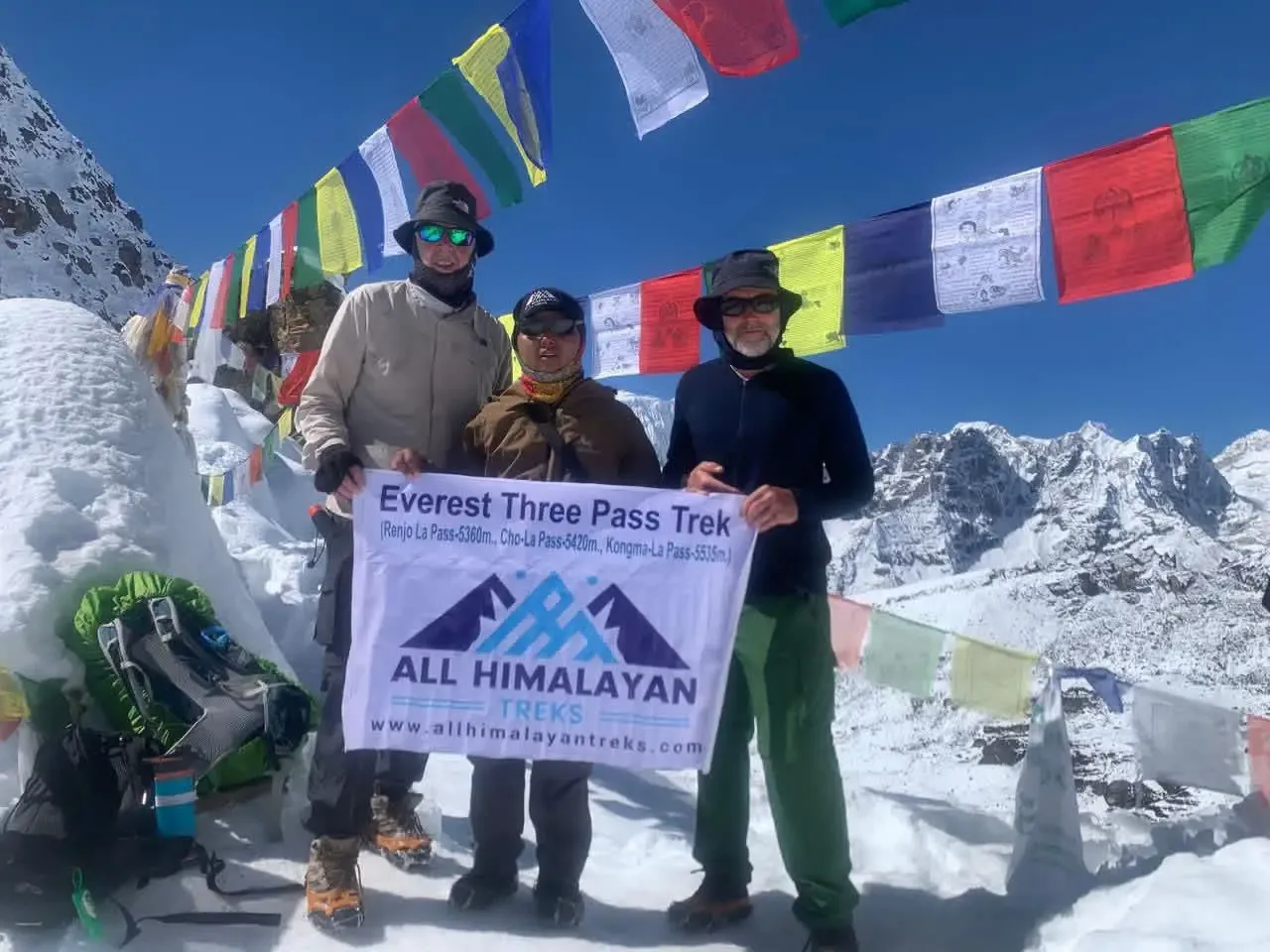
The Everest Three Passes trek crosses Kongma La (5,535 m), Cho La (5,420 m) and Renjo La (5,360 m), linking Chhukung, Lobuche and Gokyo in a loop. It is the full Khumbu experience, with Base Camp, Kala Patthar, Gokyo Ri and the Ngozumpa Glacier all on the way. It is demanding, remote at times and very rewarding.
Highlights:
Three high passes, each with its own spectacular views.
Both Everest Base Camp and Gokyo Lakes in one trip.
Quiet side valleys such as Chhukung and Thame.
A strong sense of achievement.
Daily itinerary snapshot: After the flight to Lukla and the climb to Namche Bazaar, the route heads to Tengboche and Dingboche, then Chhukung (4,730 m). You cross Kongma La (5,535 m) to Lobuche (4,910 m), then visit Gorak Shep and Everest Base Camp. After Kala Patthar you continue to Dzongla (4,830 m) and cross Cho La (5,420 m) to Thagnak (4,700 m) and Gokyo (4,790 m). After Gokyo Ri, you cross Renjo La (5,360 m) to Lungden (4,380 m), then descend via Thame (3,820 m) to Namche and back to Lukla.
Autumn weather: October is ideal. Early November can bring colder passes with ice and snow.
Permits and costs: The same permits as the Everest region. Packages typically start around USD 1,700 and rise with trip length and group size.
Who it’s for: Experienced trekkers with strong endurance, good acclimatization history and some flexibility in their schedule.
Insider tip: Cho La can be icy. Microspikes and trekking poles are valuable, and your guide may change the direction of the loop to suit conditions.
Quick facts: 10-14 days | 3,840 m (Lo Manthang) | Moderate | Best in September-October | Region: Mustang
The Upper Mustang trek leads into the old Kingdom of Lo, a high desert of red cliffs, sandstone pinnacles, caves and Tibetan Buddhist monasteries. It sits in the Himalayan rain shadow, so it is dry and walkable even when the rest of Nepal is damp, but autumn is when the light and temperatures are best. It feels more like Tibet than Nepal.
Highlights:
The walled medieval city of Lo Manthang.
Cave dwellings, ancient gompas and chortens.
The Kali Gandaki valley and the dramatic landscape of eroded cliffs.
Rich Tibetan culture and food.
Views of Nilgiri, Annapurna I and Dhaulagiri on the approach.
Daily itinerary snapshot: You fly from Pokhara to Jomsom (2,720 m) and walk to Kagbeni (2,810 m), where the restricted area begins. Next come Chele (3,050 m), Syanboche, Ghami (3,520 m) and Charang (3,560 m), before reaching Lo Manthang (3,840 m). You spend a day or two exploring the old city and nearby monasteries, then return through a different route via Ghar Gompa and Tsarang, finishing at Jomsom.
Autumn weather: Dry and sunny, but very windy in the afternoons. Dust is common, so bring a buff and sunglasses.
Permits and costs: A restricted-area permit (USD 500 for the first 10 days, with a daily rate after) and an Annapurna Conservation Area permit. A licensed guide is required. Packages usually start around USD 2,200.
Who it’s for: Culture lovers, photographers and anyone interested in Tibetan Buddhism.
Insider tip: Start early every day. The wind typically picks up from late morning, and walking against it for hours is tiring.
If you already know what you want, this is the quick answer.
Start with Ghorepani Poon Hill. It is short, well supplied with lodges and keeps altitude manageable. Mardi Himal and Annapurna Base Camp are good next steps if you have more time and want a bigger challenge.
Ghorepani Poon Hill and Mardi Himal are the best short treks in Nepal in autumn. Both are easily done from Pokhara, and Langtang is a reasonable choice at the upper end of this range if you prefer to leave from Kathmandu.
The Annapurna Circuit (Thorong La), Manaslu Circuit (Larkya La), Gokyo Lakes and Everest Three Passes all go above 5,000 m. These need proper acclimatization days and a flexible schedule.
Everest Base Camp and Gokyo Lakes for the Khumbu giants, Annapurna Base Camp for a sanctuary view, and Mardi Himal for a ridge-top panorama.
Manaslu, Langtang, Mardi Himal and Upper Mustang are quieter than the headline routes, especially outside the busiest October weeks.
Poon Hill is the easiest option and can be done at an unhurried pace with a porter. Mardi Himal’s lower sections and shorter Langtang itineraries also work for fit seniors who enjoy gradual climbs. In every case, check with a doctor first and choose a company that adds extra rest days.
The best trek is the one that fits your legs, your calendar and your budget, not the one with the most famous name.
If you walk or hike regularly but have never been above 3,000 m, begin with Poon Hill, Mardi Himal or Annapurna Base Camp. If you are comfortable with long days and multi-week trips, Everest Base Camp, Gokyo and Langtang are realistic. Manaslu, the Annapurna Circuit and the Three Passes are for people with proven endurance and some high-altitude experience.
The shortest treks cost the least, and treks needing flights or special permits cost the most. Poon Hill, Mardi Himal and Langtang are budget-friendly. Everest-region treks add Lukla flights, and Upper Mustang and Manaslu add restricted-area permits.
Autumn is not one season. Each month has a different feel, and picking the right one can matter as much as picking the trek.
Early September still feels like the tail end of the monsoon. You may get afternoon showers, cloud and some leeches at lower elevations, but also green hillsides, empty trails and cheaper rooms. By the last week the weather often settles. September suits Upper Mustang, Poon Hill and anyone who wants quiet over perfect views.
October is the headline month. Skies are the clearest, the temperatures are comfortable and every major pass is open. It is also the busiest, so flights, guides and teahouse rooms fill early. If you can only pick one month for Everest, Annapurna or Manaslu, this is it.
November brings crisp, dry air and the sharpest mountain views, plus noticeably fewer people. The trade-off is the cold, especially above 4,000 m, where nights drop well below freezing. Some higher lodges begin to close by the end of the month. It is a good time for Langtang, Mardi Himal, Gokyo and Everest Base Camp, with the right gear.
Choose October if you want the most reliable weather and warmer days and do not mind company. Choose November if you want quiet trails, clear mornings and can handle serious cold. For high passes such as Thorong La or Larkya La, October is the safer choice.
Month | Best Treks |
|---|---|
September | Upper Mustang, Ghorepani Poon Hill |
October | Everest Base Camp, Annapurna Circuit, Manaslu Circuit, Three Passes |
November | Langtang Valley, Mardi Himal, Gokyo Lakes, Annapurna Base Camp |
People often imagine trekking as one long climb. In reality, it settles into a rhythm that is surprisingly relaxing once you find it.
You wake around 6 a.m. to a cold room and a hot cup of tea. Breakfast is usually porridge, eggs, Tibetan bread or chapati, and you are on the trail by 7:30. Mornings are the best part of the day: clear light, birdsong and mountains still free of cloud. You walk for three to four hours, then stop for lunch around noon at a teahouse. A few more hours of walking take you to the next village by mid-afternoon. After you arrive, there is time for a hot drink, a walk around the village, a visit to a monastery or simply a rest in the sun. Evenings revolve around the dining-room stove, where trekkers swap stories, play cards and guides check the next day’s route. Most people are asleep by 8:30 p.m.
Rooms are simple, usually twin beds with a blanket and a shared bathroom. Dal bhat, the national dish of rice, lentils and vegetables, is often unlimited and tastes best after a long day. Menus also include noodles, momos, pasta, pizza and fried rice, but prices rise with altitude because everything is carried up by porters or mules. Charging a phone or taking a hot shower often costs extra, and Wi-Fi is available in many villages but slow and sometimes paid. Stick to cooked vegetarian food at higher altitudes, as it is generally the safest and freshest.
As a rough guide, valleys below 2,500 m stay pleasantly warm during the day, around 15 to 22°C. Between 3,000 and 4,000 m, expect cool days and nights around freezing. Above 4,500 m, night temperatures commonly drop to -10°C or lower in November. Wind chill on passes can make it feel much colder.
October can be crowded on the Everest and Annapurna trails. Rooms may be full by mid-afternoon, so guides often phone ahead. Book early, arrive earlier in the day and stay flexible about which lodge you use. November is much quieter, but some lodges at high altitude begin to close.
Acute mountain sickness can affect anyone above about 2,500 m, regardless of fitness. Early symptoms include headache, nausea, dizziness, poor sleep and loss of appetite. Walk slowly, drink three to four litres of water a day, add rest days at places like Namche, Dingboche and Manang, and follow the guideline of sleeping no more than about 400 to 500 m higher than the night before above 3,000 m. Never ignore headaches, nausea or breathlessness at rest. If symptoms get worse, the only reliable treatment is to descend. Choose an operator that carries a pulse oximeter and a clear emergency plan, and make sure your insurance covers evacuation.
Think in layers: a moisture-wicking base layer, an insulating fleece or light down jacket, and a waterproof shell. Add a warm hat, gloves, a sun hat, a buff and quick-drying trekking trousers. For anything above 4,000 m, a proper down jacket is essential, and many companies provide one on loan.
Two or three base-layer tops and one thermal bottom
One fleece or mid-layer
A warm down jacket rated for -10°C or lower
Waterproof jacket and trousers
Trekking trousers and a pair of shorts for lower sections
Warm hat, sun hat, gloves and a buff
Four or five pairs of trekking socks and one warm pair for sleeping
Bring well-worn waterproof boots, a four-season sleeping bag (or rent in Kathmandu), trekking poles, a headlamp, sunglasses with UV protection, high-SPF sunscreen, a water bottle or bladder, water purification tablets and a basic first-aid kit. Pack light: porters usually carry 10 to 15 kg of your gear in a duffel, and you carry a daypack with your daily essentials.
A 30 to 40 litre daypack and a duffel bag for porters
Reusable water bottles (two litres capacity)
Power bank and a universal adaptor
Blister kit, painkillers, rehydration salts and your personal medication
Toilet paper, hand sanitizer and wet wipes
Cash in Nepali rupees for tea, snacks, showers and charging
Want a printable version? Fill in the inquiry form at the end of this page and we will send a free autumn trek packing checklist with your trek recommendations.
Prices vary by group size, hotel standard and what is included, so use these ranges as a starting point. Short, simple treks like Poon Hill and Mardi Himal tend to cost USD 400 to 800. Langtang and Annapurna Base Camp typically fall between USD 600 and 1,100. Everest Base Camp, Gokyo and the Annapurna Circuit usually range from USD 1,200 to 1,800. Manaslu and Everest Three Passes sit higher, often USD 1,500 to 2,500, and Upper Mustang usually runs from USD 2,200 to 3,200 because of its permit fee. Check each trek page for current pricing.
A good package covers airport transfers, hotels in Kathmandu, permits, a licensed guide, porters, meals on the trek, accommodation and domestic transport or flights. International flights, travel insurance, visas, tips, extra snacks, hot showers and personal gear are usually excluded. Always ask whether lunch and dinner are included, and whether Lukla flights are in the price.
Most treks need at least one national park or conservation area permit, and a TIMS card or local permit depending on the region. Restricted areas, including Manaslu and Upper Mustang, require special permits and a licensed guide, and fees change regularly. Your trekking company normally arranges all paperwork and needs a copy of your passport and photos. Confirm the current rules and fees before you travel.
A licensed guide typically costs around USD 30 to 40 a day and a porter around USD 20 to 25, usually included in package prices. Tipping is customary at the end of the trip, so budget for it. A common approach is to pool a tip from the group and hand it to the guide to share with the porters and crew.
Choose a shorter trek or travel in the shoulder weeks of late September and mid-November.
Join a small group to split guide, porter and transport costs.
Rent a sleeping bag and down jacket in Kathmandu rather than buying.
Keep spare cash for hot showers, charging and snacks, as prices rise with altitude.
Avoid the cheapest quotes. Very low prices often mean unpaid porters, poor insurance or hidden extras.
A trek’s difficulty depends on altitude, daily walking hours, terrain and remoteness. Easy treks, like Poon Hill, involve three to five hours of walking a day below 3,500 m. Moderate treks add longer days and some altitude. Hard treks, like the Annapurna Circuit, Manaslu and the Three Passes, involve passes above 5,000 m, long ascents and cold weather.
Start at least eight to ten weeks before departure. Walk or hike on weekends with a loaded daypack, climb stairs or hills, and add cardio like cycling, running or swimming two or three times a week. Add leg strength work such as squats and lunges, and finish with a couple of back-to-back long hikes to simulate consecutive trek days. Break in your boots long before you fly. You do not need to be an athlete, but steady walking fitness makes a big difference.
For October departures, aim to book three to six months ahead. Four to eight weeks is often still possible for popular treks, but flights and the best lodges will be limited. Booking early also gives you time to arrange visas, insurance and gear.
Lukla flights are the bottleneck for Everest, Gokyo and Three Passes. Mountain weather can delay or cancel flights, and during busy periods some flights operate from Ramechhap instead of Kathmandu, which means an early drive. Always leave a buffer day or two at the end of your trip, and make sure your international flight is not too tight.
A few mistakes show up again and again.
Choosing by photos alone. Match the trek to your fitness, time and experience, not to the most famous image.
Skipping acclimatization days. Saving a day is not worth a headache or an early descent.
Booking too late. In October, flights, guides and good rooms go first.
Packing too much. Heavy bags tire you and your porter.
Buying the cheapest package. Check what is included, how porters are treated and what the emergency plan is.
Ignoring insurance. Choose a policy that covers trekking at your maximum altitude and helicopter evacuation.
Planning a tight return flight. A spare day is cheap insurance against delays.
If you have already done the classics or want something different, these routes are also at their best from September to November.
A sacred Buddhist valley near the Tibetan border with ancient monasteries and a quiet, unhurried pace. Often combined with Manaslu.
A community-run trail with huge views of Dhaulagiri and Annapurna South, far from the busy ABC route.
A remote, demanding trek to the third-highest mountain in the world, best for experienced trekkers with time.
A rugged high-altitude loop with glacier camps and a technical pass. Suitable only for seasoned trekkers.
A wild trek through the Barun valley, lightly visited and rich in forest and wildlife.
Nepal’s largest lake in the far west, calm and blue in autumn, with a very quiet trail.
One of the highest lakes in the world, usually done as a side trip from the Annapurna Circuit.
Short, close-to-Kathmandu options with Sherpa culture and long views, ideal for a quick escape.
Autumn dates fill quickly, especially in October. Tell us your fitness level, the number of days you have and your preferred month, and we will recommend the best trek and send you a free packing checklist. Browse all routes at All Himalayan Treks or send an inquiry today to hold your preferred departure.
Yes, for most people. Skies are clearer, trails are drier and temperatures are comfortable. The trade-off is more trekkers, so book early.
October is the best all-round month for weather and views. November is colder but quieter, and September is greener with a chance of rain.
It can, especially in the first half of the month, because the monsoon is still withdrawing. Rain usually eases by the second half of September, and rain-shadow areas like Upper Mustang stay drier.
Ghorepani Poon Hill is the easiest, followed by Mardi Himal and Annapurna Base Camp for those with a bit more time.
Poon Hill (4-5 days) and Mardi Himal (5-7 days) are the best short treks, with great views for relatively little time.
The Annapurna Circuit, Manaslu Circuit, Gokyo Lakes and Everest Three Passes all cross or approach 5,000 m or more. For a first high-altitude trek, Everest Base Camp or Gokyo is a more gradual choice.
Everest Base Camp and Gokyo Ri offer the biggest Himalayan panoramas, while Annapurna Base Camp gives the most dramatic close-up of a single massif.
Manaslu, Langtang, Mardi Himal and Upper Mustang are quieter than the headline routes.
Restricted areas like Manaslu and Upper Mustang legally require a licensed guide. On other routes, rules on independent trekking have been tightening and a guide is strongly recommended for safety, navigation and altitude support. Check current regulations when you plan.
Yes. Autumn has the most stable weather of the year. The main risks are altitude sickness and cold, both manageable with proper acclimatization, good gear and an experienced guide.
For easy treks, regular walking fitness is enough. For Everest Base Camp or Langtang, you should be able to walk five to seven hours a day on consecutive days. Hard treks need good endurance and a training plan.
Some regions still allow independent trekking, but regulations have changed and some areas now require a guide or an operator. Solo trekkers also have less support if something goes wrong. A guided or small-group trek is the safer option, and it makes altitude and logistics far easier.


Our travel experts are ready to assist you with any questions.
Send us a message.Have a question before you book? Send your enquiry below and our travel experts will get back with the required information.