Need help with booking? Send us a message.
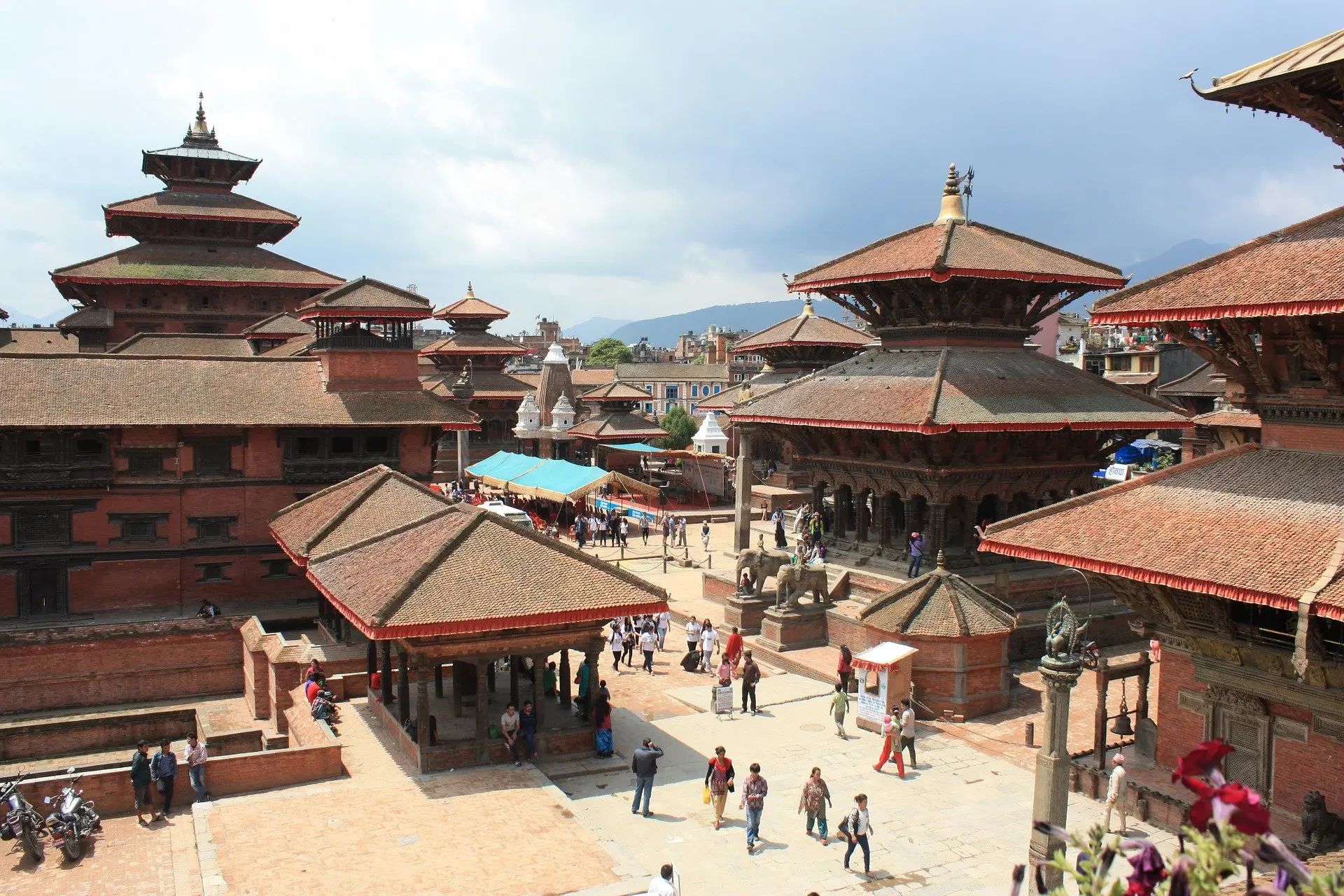
Kathmandu Day Tour 1 day is a day trip to Kathmandu. The tour is dedicated to exploring four of the UNESCO World Heritage-listed sites of Kathmandu valley (listed on UNESCO World Heritage list in 1979 A.D). The four sites the Kathmandu day trip includes are two Buddhist monasteries namely Soyambhunath and Boudhanath. Then one Hindu pilgrimage site of Pashupatinath temple plus the medieval palace square of Kathmandu Durbar Square. It is a full day trip inside Kathmandu. The duration of the day tour is about six hours total and it is a fully guided tour. During the tour, one can explore the cultural, religious and historical aspects of Kathmandu valley.
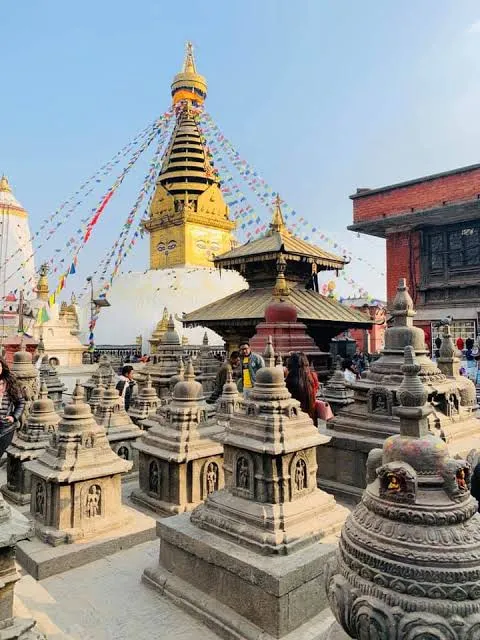
The tour starts with a short drive from the hotel to Soyambhunath- The Monkey Temple. Located at a top of the hill, this iconic Buddhist monastery also offers the picturesque views of the Kathmandu valley. The Buddhist prayer flags (with five different colors representing the five elements), the prayer wheels with printed Buddhist chant- “OM MANE PADME HUM”, the holy monkeys and the giant Stupa with the “wisdom eyes” are the major attractions of Soyambhunath temple.
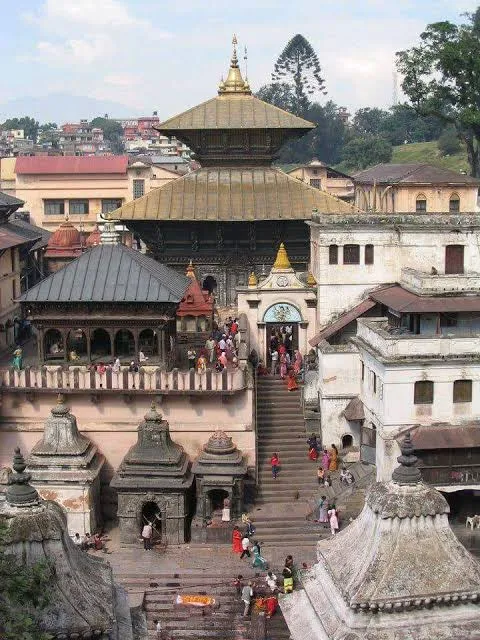
It then goes to Pashupatinath Temple- one of the most important pilgrimages sites to Hindus. Stand by the riverside of the holy Bagmati river; this place is also widely popular as the crematorium. During the festival of Shiva Ratri- more than a hundred thousand Hindu devotees come to visit this temple. The giant temple square itself is a joy to watch. The “Sadhus” are other attractions of the temple.
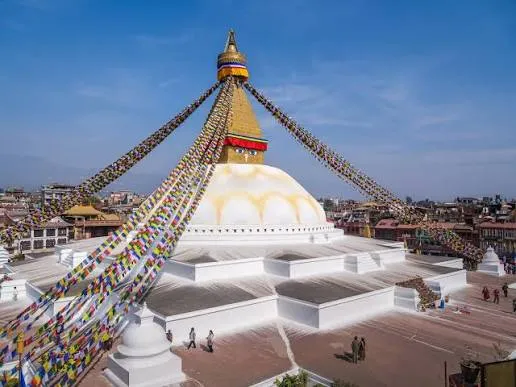
The next stop is Boudhanath stupa; the giant Buddhist monastery of Boudhanath is considered as the biggest in South Asia. Go around the monastery to get better views. Also, enjoy the legends behind the monastery told by your tour guide. The Boudhanath monastery is one of the pilgrimage hubs to the locals and the Tibetan Buddhists from history.
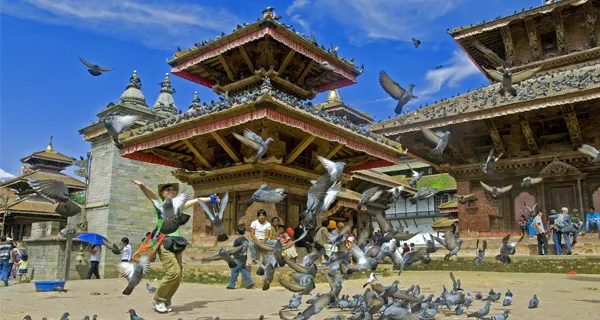
The Kathmandu day tour then ends with visiting the historical palace place of Basantapur. Known with two different names; Basantapur Durbar Square or Kathmandu Durbar Square; the palace square was mostly constructed between 14th to 18th centuries. The durbar complex is a collection of temples, courtyards, and the palaces. The “Hanumana statue- The monkey god sculpture”, the fierce “Kal Bhairav Statue”; Taleju Temple, “Kumari Ghar”; and Kastamandap are the major highlights of Kathmandu Durbar Square. “Kumari”- The living goddess is another highlight of Hanuman Dhoka.
Your driver picks you up and takes you to a hilltop stupa that is more than a thousand years old. Look for the painted eyes on the central stupa, the rows of prayer wheels and the strings of five-colored prayer flags, which represent the five elements. The monkeys that live here are considered sacred, so keep your snacks out of sight. The view over Kathmandu is the best way to get your bearings.
Pashupatinath sits on the banks of the Bagmati River and is one of the most important Hindu pilgrimage sites. It is an intense place, because open-air cremations take place on the riverside ghats. Your guide will explain the rituals and the beliefs around them. The temple complex is also home to sadhus in orange robes. Only Hindus may enter the main temple, but the surrounding grounds and the river are open to everyone. Visitors from other faiths usually watch from the opposite bank.
Boudhanath is the spiritual heart of Kathmandu’s Tibetan Buddhist community. Walk the circuit clockwise like the locals, with monks, pilgrims and prayer wheels around you. Your guide will share the legends behind the stupa. If you have time, the rooftop cafés around the square make a good place to sit and watch the circuit.
The tour ends at the old royal square of Basantapur, also called Kathmandu Durbar Square. Most of it was built between the 14th and 18th centuries, and it is a dense cluster of temples, courtyards and palace buildings. Look for the Hanuman Dhoka palace gate, the fierce Kal Bhairav statue, Taleju Temple and the Kumari Ghar. Kasthamandap, the ancient wooden pavilion that gave Kathmandu its name, was damaged in the 2015 earthquake and has since been rebuilt. After the square, your driver returns you to your hotel.
 Accommodation No Accommodation
 Meals No meal Provided
 Max. altitude 1,450m / 4,757ft.
You can do this tour any month of the year. Spring (March to May) and autumn (September to November) give the clearest skies. Summer monsoon days can be wet, but mornings are often fine and the crowds are smaller. Winter is cool and dry, which makes it good for walking between sites.

Travel inspiration, new treks and exclusive offers, straight to your inbox.