

The Langtang Region, just two days north of Kathmandu, is Nepal's closest Himalayan trekking area and one of its most underrated. Known as the Valley of Glaciers, it is the ancestral homeland of the Tamang people, whose culture, monasteries, and traditions shape the landscape as much as the mountains themselves. The region was hit hard by the 2015 earthquake, and the resilience of its rebuilt villages is now as much a part of the trekking experience as the scenery.
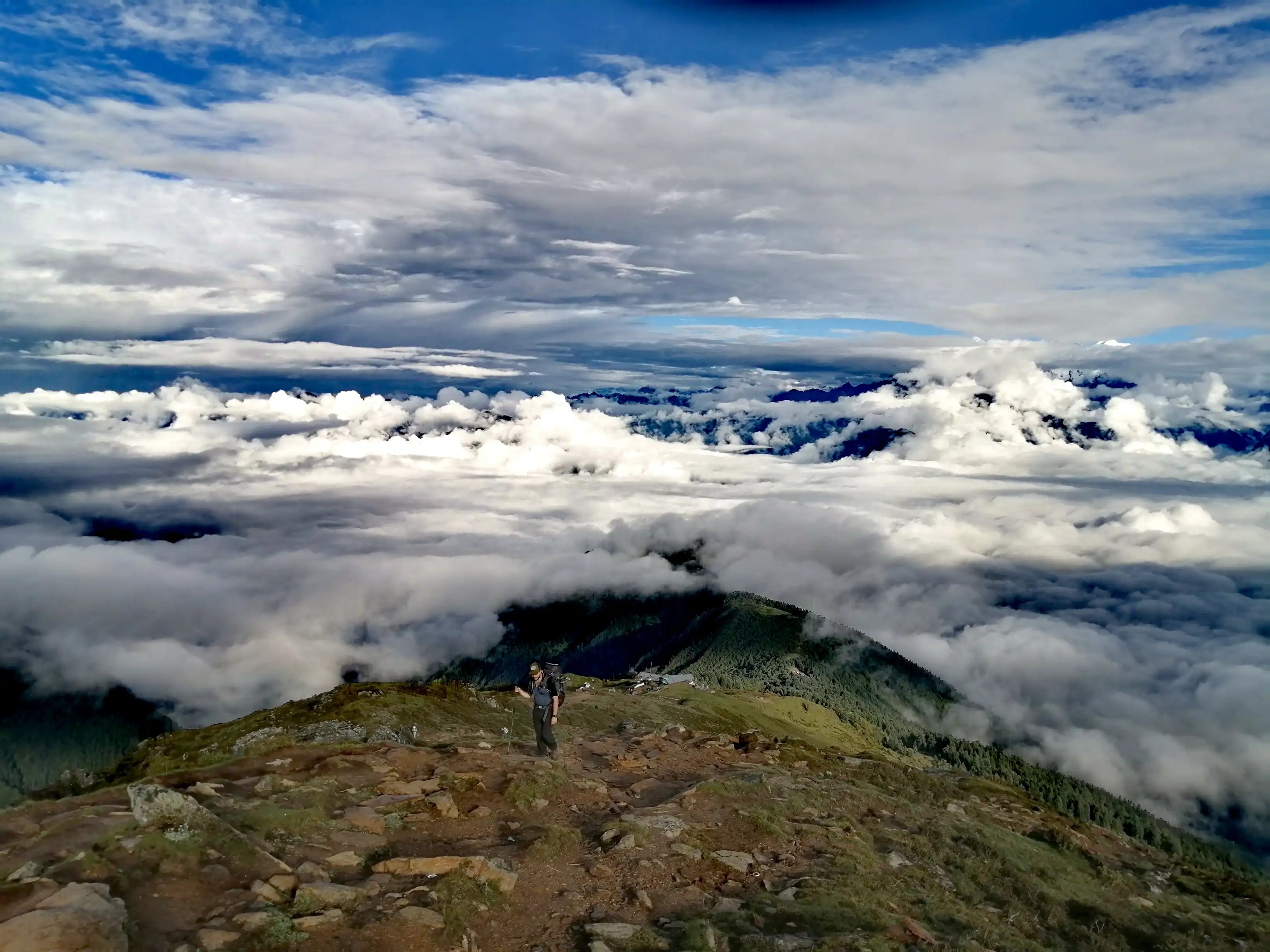
Trails climb through dense rhododendron and bamboo forests, past yak pastures and alpine meadows, to reach Kyanjin Gompa a Tamang Buddhist monastery village surrounded by glaciers and the high viewpoint of Tserko Ri, with sweeping views of Langtang Lirung and the Ganesh Himal range. Other routes lead to the sacred alpine lake of Gosaikunda, a major Hindu and Buddhist pilgrimage site at over 4,300m, or along the Tamang Heritage Trail through traditional villages, hot springs, and hillside monasteries closer to the Tibetan border.
What makes Langtang distinct from Everest and Annapurna is its accessibility combined with its authenticity. There's no need for a mountain flight to reach the trailhead treks typically begin with a scenic drive from Kathmandu and the shorter approach makes the region well suited to trekkers with 8–10 days rather than two or three weeks. At the same time, trail traffic remains far lighter than the more famous regions, so the sense of a genuine, unhurried Himalayan trek is easier to find here. Best trekked in spring (March–May) or autumn (September–November), when skies are clearest and mountain views are at their best.
The region's classic route, following the Langtang Khola through rhododendron forest and Tamang villages to Kyanjin Gompa, with an optional climb to Tserko Ri for panoramic views of Langtang Lirung and the surrounding glaciated peaks.
A trek to one of Nepal's most sacred alpine lakes, set above 4,300m and ringed by snow peaks. The route climbs through forest and high pasture to reach Gosaikunda, an important pilgrimage site for both Hindu and Buddhist trekkers, before descending via a different valley.
A culture-focused route through traditional Tamang villages, hillside monasteries, and natural hot springs near the Tibetan border, offering a deeper look at local heritage alongside mountain views ideal for trekkers who want culture and scenery in equal measure.
Langtang offers a different kind of Himalayan trek closer to Kathmandu, quieter on the trail, and shaped as much by Tamang culture as by mountain scenery.
With three distinct itineraries, the right choice depends mainly on whether you're drawn to glacier scenery, a sacred alpine lake, or village culture.
| If you want… | Consider |
|---|---|
| The classic glacier and high-viewpoint experience | Langtang Valley Trek (10 days) |
| A sacred high-altitude lake and pilgrimage route | Gosaikunda Lake Trek (8 days) |
| A culture-first trek through traditional villages and hot springs | Tamang Heritage Trail Trek (9 days) |
Trekkers with more time sometimes combine two of these routes most commonly the Langtang Valley Trek with Gosaikunda Lake into a single, longer itinerary; ask your trekking agency about combined route options if you'd like to see more of the region in one trip.
Spring (March–May) brings mild temperatures and the region's famous rhododendron blooms at lower elevations, making it one of the two peak trekking seasons.
Autumn (September–November) offers the clearest skies and most reliable mountain views of the year, and is generally considered the most popular season for trekking here.
Winter (December–February) is possible on the Langtang Valley and Tamang Heritage routes at lower elevations, though the higher Gosaikunda Lake route can be affected by snow and cold, and some sections may become more difficult to cross.
Monsoon (June–August) brings heavy rain and frequently obscured views, and is generally not recommended for trekking in this region.
All treks in this region require the following permit:
As with other trekking regions in Nepal, foreign trekkers are required to trek with a licensed guide. Your permit is typically arranged by your trekking agency and checked at entry points along the trail.


