 5.0 of 433 reviews
  5.0 of 309 reviews 5.0 of 433 reviews 5.0 of 309 reviews
Need help with booking? Send us a message.
Nepal is a land of tall mountains and beautiful views, often called the Roof of the World. Everest Base camp is among the most popular treks worldwide. On this Everest Base Camp Trek with Helicopter Return journey, you will reach heights that very few people ever experience. You will come across the strong Sherpa community with a rich high-altitude culture.
You will find colorful prayer flags waving on the ridges, mani stones at every village, simple monasteries where monks meet you, Sagarmatha National Park is a UNESCO World Heritage site, which safeguards the rare flora and fauna of the Everest area. You may glimpse Himalayan wildlife, like musk deer, or even the elusive snow leopard.
The trekking is characterized by days of walking over long distances, yet the reward is self-sense of achievement and cherished memories. This is a very popular itinerary because of the challenge and the comfort (highlighted by a helicopter flight). It is applicable to the type of adventurers who desire authenticity and convenience in the journey.
All Himalaya Treks is a professional Nepal trekking company that coordinates the entire itinerary so that one can have a safe and memorable adventure. We do all the arrangements including permits and arrangements hence you get to enjoy the experience. Every day gives you new perspectives: early mornings climb high above ragged mountains, friendly teahouses and hot food, and evenings in a clear sky-filled sky.
By Trekking with us, you will experience a professional local knowledge and a unique service that is valued by the modern travelers. You will have made it to the Everest Base Camp (5,364m) just above the summit of the world. This is where you look back at the ride across the Himalaya and rejoice at your success.
By this Everest Base Camp trek with helicopter return, you get to see two worlds: the difficult trek walking and the thrilling helicopter ride at the finish. Kala Patthar or Gorakshep (included) removes several days of descending, but it provides a special excitement of the helicopter ride. After lunch in Gorakshep you fly over the Khumbu glaciers and land in Lukla to refuel and proceed directly to Kathmandu.
The entire trip between the Everest Base Camp and Kathmandu through helicopters is very fast and picturesque. This implies that you come back, relaxed and victorious without necessarily having to wander down to spend days more.
All Himalaya Treks created this itinerary to have a comfortable adventure exploring the Himalayas. Our professional guides will provide us with the local knowledge of Sherpa culture, climate and high-altitude trekking. You will watch prayer flags on mountain ridges, explore Buddhist monasteries in Tengboche and Dingboche, and you will stay in the village where hosts can cook your meals and tell stories.
The trek is filled with contrasts that are inspirational: springtime rhododendron forests colorful, old mani walls, ice glaciers, and, lastly, the jovial helicopter ride over the Khumbu valleys.
You also spend the night in teahouses which are run by families, and this will provide you with the very real experience of the mountain. Reaching the Everest Base Camp is, of course, the main attraction. You will be standing with the highest mountain in the world at the background and be ready to take photos and consider the trip. You feel proud, enjoy the company of other trekkers, and rest happily in a warm lodge after a long day.
All Himalaya Treks handles permits, transport, and safety, giving you peace of mind. Certified mountain guides carry first-aid kits and oxygen, communicate via radio, and coordinate rescues if needed. They ensure that your health is monitored every day. By flying out of the mountains by helicopter, you avoid a grueling descent, adding a thrilling end to your trek without sacrificing any views.
In summary, this Everest Base Camp trek with helicopter return by All Himalaya Treks packs a full mountain experience into eleven days. You trek from Kathmandu to Lukla, ascend through the Khumbu to Everest Base Camp, then ride a helicopter back to Kathmandu.
Along the way, you will see high mountain peaks, meet friendly Sherpa people, and enjoy the natural beauty of Sagarmatha National Park.With comfortable lodging each night and expert guidance, this trek becomes an unforgettable adventure filled with iconic Himalayan scenery and rich cultural encounters.
Upon reaching Kathmandu international Airport, our team will receive you and will transport you to your hotel. Today will be a convenient day to spend after your long flight. You may either walk or take a stroll in the bustling streets of Thamel. We will have a trip briefing in the evening. This is an opportunity to see your guide and the rest of the trekkers, inspect your equipment and discuss the trek schedule.
 Accommodation Three-star Hotel
  Meals Breakfast
  Max. altitude 1,400m / 4,593ft.
 We will start at dawn with a scenic flight over the mountain to Lukla, a small airstrip at 2,860 meters. In the peak seasons of trekking, this flight might be based at Ramechhap Airport rather than Kathmandu and your flight probably will last 4 to 5 hours before you take off at an early time in the morning.
The flight itself is also adventurous, as the plane is flying through mountains and valleys. We will experience the excitement as you land at Lukla which is the entry point to Everest. We gather porters and equipment and commence a trek down the river DudhKoshi. The path is much-worn, along through Buddhist prayer flags and Sherpa villages.
We will pass a number of wooden suspension bridges and pine forests. The landscape is also smooth and generally downhill, and it allows you to warm up as you begin the trek. On the way, wewill get your first glimpses of AmaDablam (6,812m) towering in the distance.
The trek is not difficult today and allows you to ease into the altitude gradually. By mid-afternoon we will arrive at the village of Phakding (2,652m). Here we will stay the night in a teahouse lodge, overlooking the valley.
Accommodation Tea house Meals Breakfast, Lunch, and Dinner Max. altitude 2,652m / 8,701ft. Today's trek will be longer and steeper. Wewill climb out of the river valley into the high alpine. The trail zigzags up and down over forests and ridges. Wewill cross several long suspension bridges over the DudhKoshi.
As you ascend into Sagarmatha National Park, you may glimpse snow-capped Everest, Nuptse and AmaDablam through breaks in the trees. After a few hours of trekking, wewill reach the entrance of Sagarmatha National Park. After permits are checked, the trail continues zigzagging up a steep ridge. The last bit is especially challenging: a steady climb with many steps that leads directly into Namche Bazaar.
Namche (3,440m) is the largest town in the Khumbu region and an important trading hub. In the late afternoon, you arrive at Namche’s square. Here you can wander through the market, try a cup of sweet Sherpa tea, and enjoy the bustling mountain town atmosphere.
Accommodation Tea house Meals Breakfast, Lunch, and Dinner Max. altitude 3,440m / 11,286ft. We will spend today resting to allow our bodies to become accustomed to the altitude. You can also make a short hike to the Everest View Hotel in the morning to have a panoramic view of the sunrise over Everest and the other nearby mountains. The increase is two-hour round-trip, and on clear days the sight is wonderful.
You are going to visit the Sherpa Cultural Museum in Namche to know the local history and life in the mountains or go through the markets where you may purchase handcrafted handicrafts. Namche is a colorful mountain town featuring shops, cafes, and even children playground.
You can a hot lunch in a teahouse. In the afternoon, we will walk around the village or simply relax. We will spend the day hydrating and resting. This acclimatization day helps your body to get prepare for higher altitudes.
Accommodation Tea house Meals Breakfast, Lunch, and Dinner Max. altitude 3,880m / 12,730ft. After breakfast at Namche, we will climbs steadily to a high ridge with wide mountain views. We will pass small chortens and mani stones along the way. After a morning trekwe will reach the scenic village of Tengboche, home to a famous monastery at 3,867m.Here we stop for lunch.
The stone monastery sits above a green meadow with Everest, Lhotse and AmaDablam towering above. You can join the short visit to the monastery and hear monks chant prayers with Himalayan peaks in the background.
After lunch, we will trek through rhododendron forests and descend gently to the village of Deboche (3,820m). The evening gives more mountain views: the valley below is peaceful, and the changing light makes the snow peaks glow in colors. We will rest well tonight to prepare for higher altitude.
Accommodation Tea house Meals Breakfast, Lunch, and Dinner Max. altitude 3,867m / 12,687ft. We will climb higher today. After breakfast, we will leave Deboche and trek through open hills and alpine pastures. The path climbs past grazing yaks and through a boulder-strewn valley. Views of Nuptse and Lhotse dominate the horizon as we ascend.
We will cross the ImjaKholariver and continue steadily upward. The air becomes thinner as we gain altitude, and the vegetation turns to shrubs and rocks. In early afternoon we will arrive in Dingboche (4,410m), a scenic settlement surrounded by snowy peaks like Lhotse and Tawache.
Here you take a tea break, reaching above 4,000 meters is a big achievement. Spend the afternoon hydrating and resting. The sky can be very clear at this altitude, with brilliant sun but cold nights.
Accommodation Tea house Meals Breakfast, Lunch, and Dinner Max. altitude 4,410m / 14,469ft. Today is another rest day which helps your body adjust. After breakfast, you may hike up to Chhukung Valley or Nagarjun Hill for panoramic views of Imja Glacier and Makalu to the east. The optional hike takes several hours and offers fine photo opportunities of Everest and the surrounding range.
If you prefer, you can stay in Dingboche and take short walks around the village, visit a local monastery, or simply relax. We will spend the day hydrating and resting. In the afternoon, many trekkers walk to a nearby ridge or climb a small peak for sunset views.
This extra rest and light activity ensure your blood can carry more oxygen at altitude. The quiet of Dingboche, against a backdrop of the Everest massif, makes today peaceful yet productive.
Accommodation Tea house Meals Breakfast, Lunch, and Dinner Max. altitude 4,800m / 15,748ft. Today we will leave the trees behind. The trail passes through moraine and rocky fields. We will trek over the ridge at Dughla Pass (4,620m), where memorials honor climbers who died on Everest. Across the pass, the valley opens up to windswept Lobuche. We will make a steady climb with great views of Pumori, Lingtren, and Khumbutse across the valley.
The air is thin and cold. By afternoon we will reach Lobuche village (4,940m). This is our highest village stay, and it feels like being at the edge of the world. In the evening, you can enjoy hot soup and rest early to prepare for the Base Camp tomorrow.
Accommodation Tea house Meals Breakfast, Lunch, and Dinner Max. altitude 4,940m / 16,207ft. We will wake up very early for today’s trek. From Lobuchewe will climb above 5,000 meters to reach the tiny settlement of Gorakshep (5,140m) by late morning. Along the way the trail is rocky and windswept. At Gorakshep, we will drop most of our gear and then continue on a rough moraine path to Everest Base Camp.
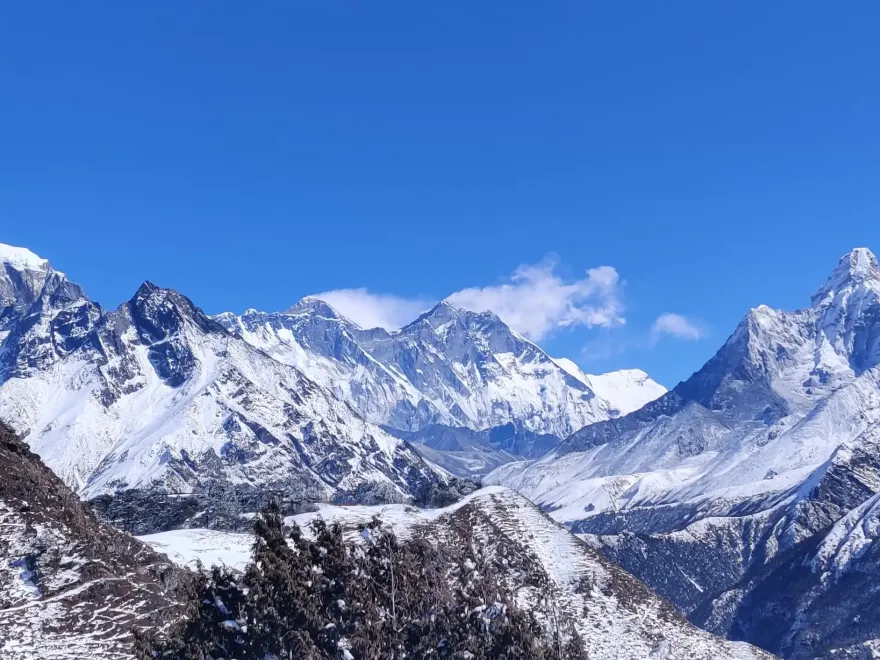
When you reach Everest Base Camp (5,364m), the base of the world’s highest mountain, we will stand amidst prayer flags and tents of climbers. The afternoon light casts amazing shadows on Everest’s icy face. We take time for photos and soaking in the achievement.
After a while, we will trek back down to Gorakshep (5,140m) for the night. Today’s journey will be long and challenging, but reaching Everest Base Camp is a memorable achievement that will stay with you forever.
Accommodation Tea house Meals Breakfast, Lunch, and Dinner Max. altitude 5,364m / 17,598ft. After breakfast, we wake very early and trek up to Kala Patthar, a rocky peak at 5,545m that offers the best view of Everest’s peak. After an hour’s hike in the cold dawn, we will watch the sunrise paint Everest, Lhotse, and Nuptse in gold. The view of the Himalayan giants is stunning. Then we come down to Gorakshep to have breakfast.
The helicopter will be available at the airstrip here so that you fly back to Kathmandu. We will fly off and enjoy a picturesque flight throughout the Himalayas. The helicopter makes some short stops in Lukla to fill up fuel and then to Kathmandu. The journey itself lasts about 3 hours, flying above the valleys and ridges you trekked down. By early afternoon we will be in Kathmandu, and your Himalayan adventure will be completed by air.
Accommodation Tea house Meals Breakfast, Lunch, and Dinner Max. altitude 5,545m / 18,192ft. We will be free until your flight home after breakfast. You can enjoy a leisure stroll, purchase souvenirs or you can rest at your hotel. Your team will assist you in packing your bags and take you to Kathmandu airport to continue with your journey. When you go out of Nepal, you are taking along with you a pleasant memory of the mountains, helpful locals and your trip to Everest Base Camp.
Accommodation NA Meals Breakfast Max. altitude 1,400m / 4,593ft. 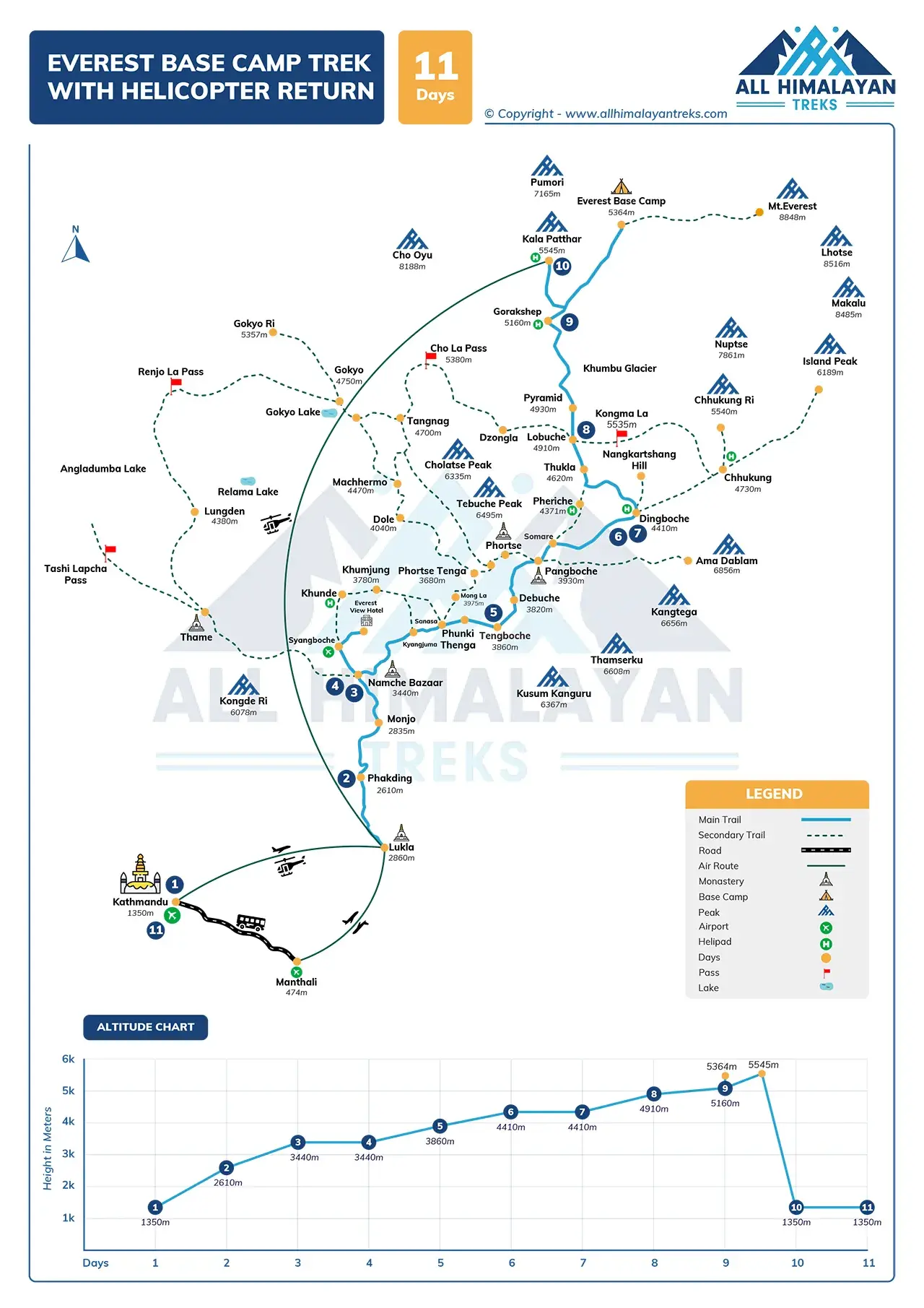
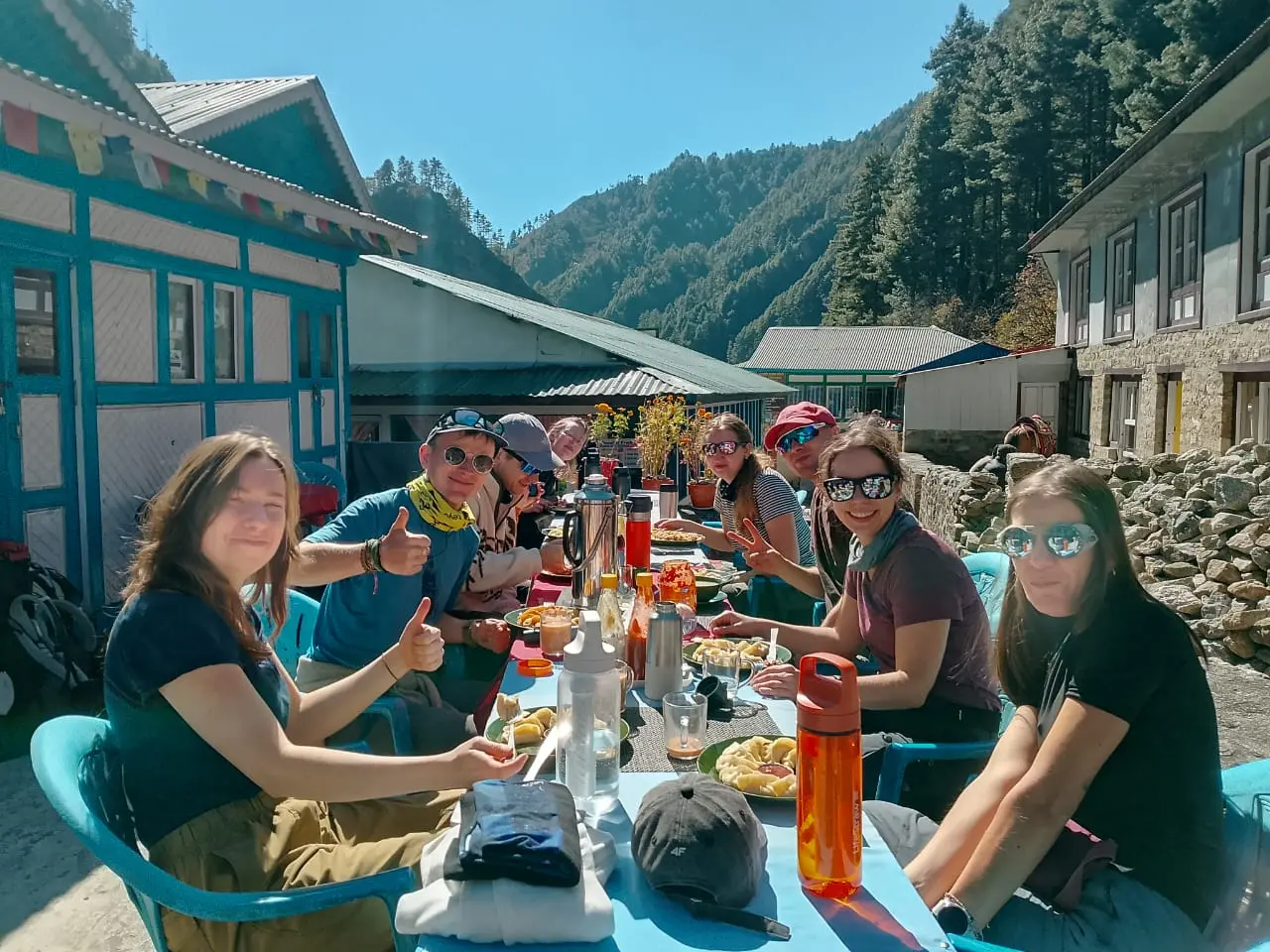
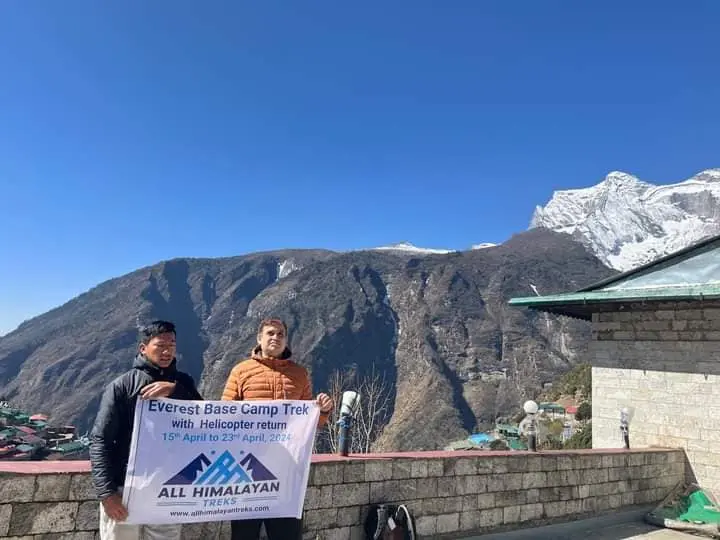
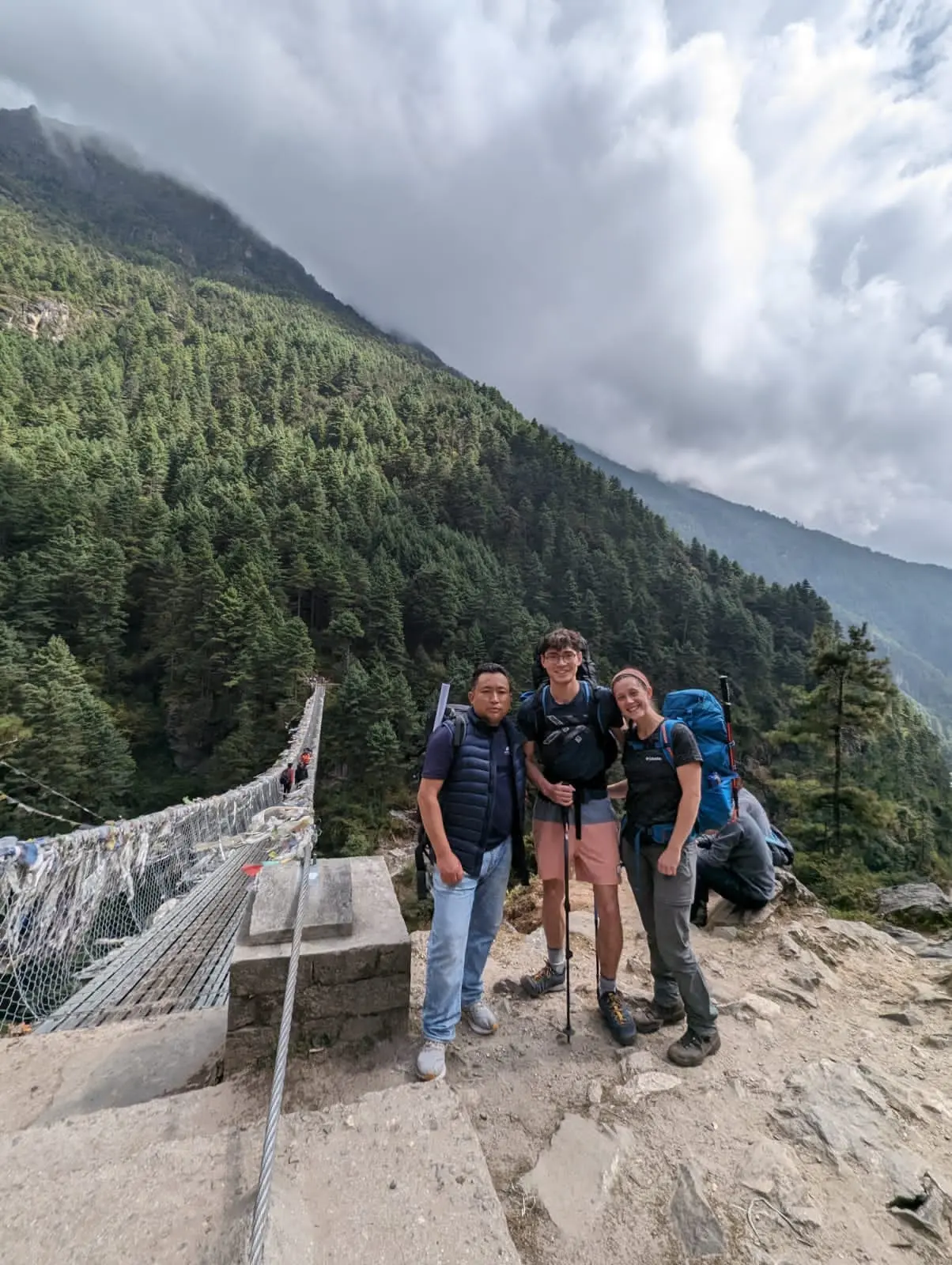
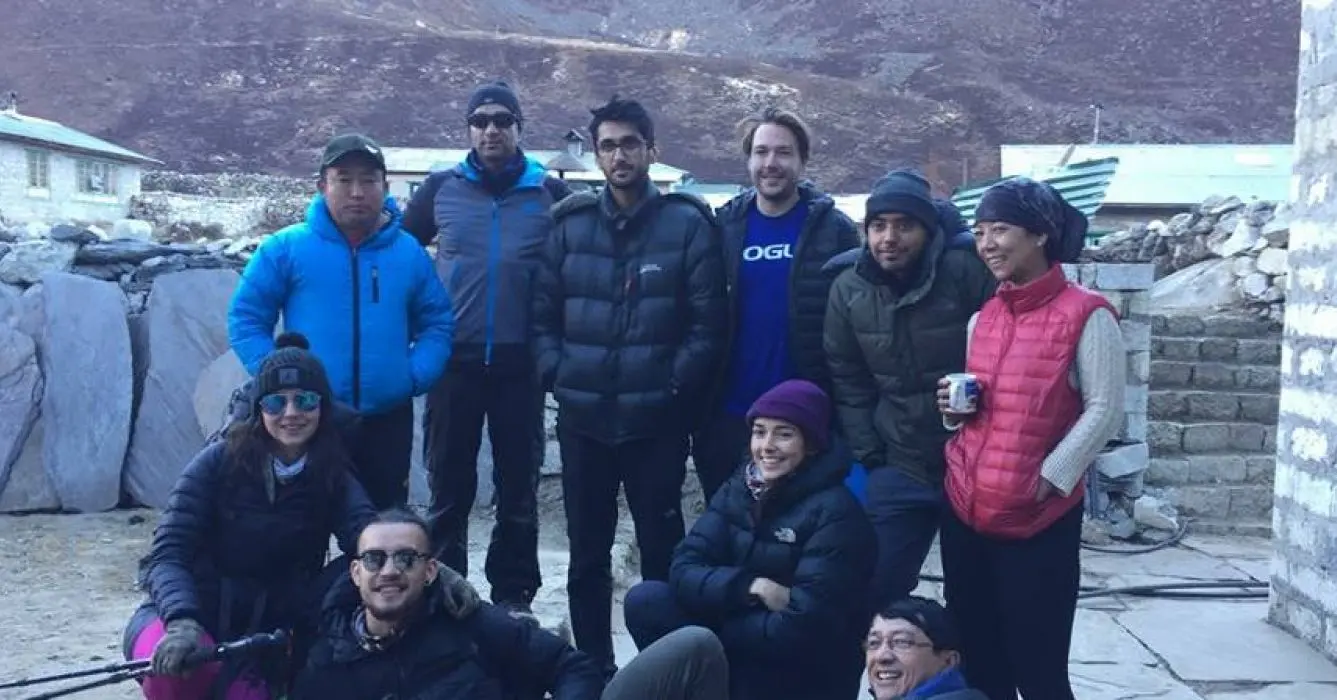
This Everest base camp trek with helicopter return is ideal for anyone who wants the classic Everest experience in limited time. You get to complete the popular EBC trek in just 11 days. The helicopter return at the end is a unique benefit: it replaces 2–3 days of descent, so you finish faster without missing any highlights.
This makes it great if you have a tight schedule. Besides, the trek is supported by excellent logistical support provided by All Himalaya Treks. You can enjoy cozy lodging and good food at night; a luxury after a day of treading a trail. The helicopter return does not only save time but offers a breath taking bird eye view of the mountains you have just trekked.
All the features that should be seen are included in the trek: walking in the rhododendron forest, Sherpas villages, and lodges in the mountain. On the way to Everest base camp trek return by helicopter, you can see beautiful panoramic view of Everest, Lhotse, AmaDablam and most of the Himalayan giants. You also explore such historic places as Tengboche Monastery and Gorakshep.
Because of the helicopter, you get to admire Everest from the sky as well. Professional guides and porters from All Himalaya Treks handle everything. They set up all accommodations, carry permits, and ensure safety. You can focus on the experience, not logistics. The guides explain Sherpa culture and point out peaks as you hike. They are equipped with emergency oxygen and radios.
All Himalaya Treks has many years of experience with running Everest tours. We coordinate bookings, make permits and fix any problems. Our guides have the best perspectives and cultural narratives with the local knowledge. When you decide to go on this trip, you are choosing to have a hassle-free experience exploring the highest mountain in the world, and professionals will handle all the arrangements.
All in all, it is a 11-day base camp trek and helicopter back in Everest which is both adventurous and comfortable. It will save time without a loss of the trip. It suits first-time trekkers of medium fitness or regular trekkers looking to descend faster.
You can also include some additional activities to make your Everest trek and return by a helicopter more special. The Everest View Hotel warrants a short flight or jeep ride to the top of Namche Bazaar before or after the trek to have excellent views and Sherpa culture.
You may wish to have further adventure, then you can continue the trip and see Chhukung Valley or even climb Island Peak, which we can provide with the permits and equipment. You can take guided tours of the most popular sites in Kathmandu such as the Pashupatinath, Boudhanath, and Bhaktapur or you can go to Chitwan or Pokhara and have a rest.
To make Everest trek and return by a helicopter more comfortable, you may get additional porters, upgrade the rooms, or provide additional services such as hot showers and Wi-Fi wherever possible. To suit your interests our team can help you make a decision on which of these options to select and plan.
Overall, the best times for the Everest base camp trek with helicopter return are spring (Mar–May) and autumn (Sep–Nov).
This 11-day Everest base camp trek with helicopter return is moderately difficult. You should be comfortable walking about 5–7 hours each day on uneven mountain trails. Most days involve steady uphill climbs. The highest sleeping altitude is 5,140m (Gorakshep) and you climb up to 5,545m on Kala Patthar (sunrise hike). The daily altitude gain is usually below 800 meters, with rest days built in for acclimatization.
The trekking terrain includes well-trodden dirt paths, rocky glacier trails, and several suspension bridges. There are no technical or rock-climbing portions, but the high elevation makes the air thin. This is assisted by the helicopter flight at the conclusion because it is a replacement of a downward 3-day flight, which then gives your legs a rest during the downward flight.
All in all, you must be physically fit and strong. Pre-training with hikes and aerobic exercises will be useful. Numerous mountaineers refer to this as a difficult but a rewarding experience. The top will be reached by a consistent work speed and a positive attitude. Careful planning and guides with encouraging personalities can make the first-time trekkers complete this Everest trek and return by a helicopter comfortably.
In this Everest Base Camp Trek with Helicopter Return journey, every day is based on a routine. You get up early, at about 5-6AM and you take tea or coffee along with breakfast (porridge, eggs or cereal). You then stuff your daypack and get on the trail around 7AM. You walk continuously 4-6 hours uphill with breaks in between. Mornings are usually characterized by uphill climbs or with ridges. You have lunch at midday at a teahouse where you take hot food such as dal bhat (rice with lentils and vegetables), soup or noodles.
You keep on trekking to the next lodge after lunch, normally reaching it by the late afternoon. Upon arrival you check in and unwind. Your guide keeps a watch on your response to altitude and gives you the briefing of the following day route. Then you have a hot dinner at around 67PM usually a Nepali or simple western meal. The nights are used to hydrate, write in a journal or just chat with other trekkers.
The lights are normally off at 8-9PM to sleep well before the next day. Exception: On the day of helicopter-return, the schedule is different. Before sunrise you get up to ascend Kala Patthar (5,545m) to have a sunrise. You join the helicopter at Gorakshep after having a breakfast and the helicopter takes you back to Kathmandu, which concludes your Everest trek and return by a helicopter.
Yes, beginners who are reasonably fit can join the Everest base camp trek with helicopter return. This does not require that you have high altitude experience but you must train physically. The trek has in-built acclimatization days to aid in the adaptation of your body. Guides will lead the trek as per group.
One should always be hydrated and take his/her time along steep sections. All Himalaya Treks guides are quite experienced. They will provide you with the information about walking techniques, as well as health monitoring on a daily basis. The trek is successfully completed by a large number of beginners each year.
We advise the new trekkers to prepare by taking long hill walks and cardio sessions prior to arrival. Consult the doctor in case of any heart or lung problems. Otherwise it is differentiated by strong motivation and adequate acclimatization. Even first-time trekkers have the chance to reach Everest Base Camp with a positive attitude and gradual pacing.
Altitude sickness (AMS) is a serious concern when trekking above 3,000m. Symptoms include headache, nausea, dizziness, and fatigue. This trek gradually gains altitude and includes acclimatization days, but you must listen to your body.
To manage altitude, our guides insist on these rules: ascend slowly, drink plenty of water, eat well, and rest as needed. We advise about 3–4 liters of water per day. If you feel short of breath or very tired, tell your guide immediately. We carry altitude pills (Diamox) and portable oxygen. In infrequent events, when symptoms become severe, we may halt the climbing or rather descend to an inferior level.
Guides are trained to identify some serious signs such as confusion or loss of coordination. There are additional rest days at Namche and Dingboche to allow your body to adapt to the itinerary. At those stops, optional short hikes help acclimatize without sleeping at higher camps. Sleeping lower after higher day hikes is key.
By following the guide’s instructions and not rushing, most trekkers avoid serious altitude sickness. We take no shortcuts on safety. If needed, a trekker may skip a hike and take a porter partway, ensuring health comes first.
Start preparing for the Everest Base Camp trek with helicopter return a few months before the trip. Train to get fit by exercising such as hiking, running, cycling and train your legs by taking uphill walks or running up stairs with a small bag on your back. See your physician to have a general check-up and talk about any health issues that are related to the altitude.
Ensure that you are up to date with your vaccinations. Bring appropriate trekking equipment such as good strong trekking shoes, layered clothing, a down jacket, rainproof gloves, hat, sun glasses and sun screen. Bring a sleeping bag that will keep you warm, or hire one in Kathmandu.
Always have a light bag in this Everest trek and return by a helicopter trip with just the necessary things like bottle of water, food and personal documents. Practice brief walks with the weight before visiting Nepal to acclimatize to the burden and to test your gear. Proper equipment and planning will make you feel more prepared and confident in your trek.
Meals are an important part of your Everest Base Camp Trek with Helicopter Return adventure. On this trek, breakfast, lunch, and dinner are included at mountain lodges (teahouses). Common breakfast may include eggs or porridge and tea. Lunch and dinner usually include Nepali dal bhat (rice with lentils and vegetables), noodle soup or pasta.
These meals have large amounts of carbohydrates that will keep you on the go. There is normally a vegetarian choice. Hot drinks (tea, coffee, hot chocolate) are served at most lodges, often included with your meal. Water must be purchased. Bottled or boiled water is sold at every lodge (about $1–$3 per liter, depending on altitude).
We supply purification tablets, so you can refill from safe sources (stream or tap after boiling). Bring a durable water bottle. Snacks like biscuits, chocolate, or energy bars can be bought in larger villages (Namche, Dingboche). Alcohol is available in Namche, but not common higher up and is quite expensive; it’s best to avoid it.
In Kathmandu, meals at the hotel or restaurants (before/after the trek) are not included. Your guide can suggest good local eateries. The food on this Everest base camp trek with helicopter return is simple but hearty and will keep you fueled for each day’s hike.
Nepal Visa: All foreign nationals need a visa for Nepal. You can get a visa on arrival at Kathmandu airport or land border. Make sure to have your passport (minimum 6 months validity) and two passport-size photos. Visa fees (in cash) are about $30 for 15 days or $50 for 30 days (these fees can change).
The visa cost is not included in our package. Everest Region Permits: Trekkers need two permits to trek in the Everest area: the Sagarmatha National Park Permit ($25) and the Khumbu Rural Municipality Permit ($17). You also need a TIMS card ($10 per person) for registration. All Himalaya Treks will arrange and pay for these permits on your behalf.
All you need to do is to forward your passport details and photographs and we do the rest. The Kathmandu permit offices and Lukla permit offices are available and we can get all the work done prior to the trek.
To sum it up, we take care of every trekking permit (TIMS and park). You only need to get the Nepal entry visa. Rules and fees in Nepal may change and it is always necessary to ensure that one has checked the most recent visa and permit regulations before travelling for the Everest Base Camp Trek with Helicopter Return.
The official language of Nepal is Nepali. Sherpa people also have their own language in the Everest region (Sherpa or Tibetan dialect). Nevertheless, English is spoken very commonly in tourist spots and trekking guides. Your guide and lodge owners can speak easily in English.
Thus, prior skills in language are not required for Everest base camp trek return by helicopter. Locals will be pleased by such simple phrases as Nepali Namaste (hello/goodbye) or dhanyabad (thank you), these words will make your visits better. On trail the communication is plain. All Himalaya Treks offer a qualified English speaking guide who will clarify day-to-day plans, culture and safety advice.
If you have any concerns, just ask your guide. In Kathmandu city, many people in hotels, restaurants and shops speak English as well. In emergencies or special situations, guides carry radios and satellite phones. You can also rent a Nepali SIM card (NTC or Ncell network) in Kathmandu.
Basic mobile coverage exists at Namche, Dingboche and some higher villages, but it may be slow or spotty. Wi-Fi is available at many lodges for a small fee. Overall, language is not a barrier on the Everest Base Camp Trek with Helicopter Returns guides help bridge any gaps.
Comprehensive travel insurance is mandatory for this trek. Your policy must include emergency medical treatment, emergency evacuation (by helicopter), and repatriation. Since the trek goes above 5,000 meters, ensure your plan covers high-altitude trekking up to at least 6,000m.
Specifically, check that helicopter rescue is included. This is critical for severe altitude sickness or injuries. Helicopter evacuations are very expensive, so insurance should cover this cost. Also ensure coverage for accidents, illness, hospitalization, and trip delays or cancellations. Keep a copy of your policy and emergency contact details (written or electronic) with you on the trek.
Insurance has to be valid since arrival to Nepal to the conclusion of the trip. We would suggest buying a globally covering insurance with the trekking in the Himalayas specifically being mentioned. Give us a copy of your insurances as evidence before beginning the trek. With proper insurance in place, you’ll have added security during the Everest base camp trek with helicopter return.
Kathmandu -Lukla Flight: This trek begins with a domestic flight between Kathmandu (1,300m) and Lukla (2,860m). It is a 30 minutes scenic flight that provides breath-taking views of the Himalayas. We incorporate this flight in the package. Weather may lead to delays; in the event that Kathmandu is flown in, the flights can be flown out of Ramechhap (4 hours drive Kathmandu) instead.
In Kathmandu our staff provides airport pickup and drop-off. Lukla’s runway is short and challenging, known as one of the most dangerous airports. The pilots are highly skilled local aviators. This flight can be very thrilling or bumpy, but it provides the only practical access to the Everest region by air. (If flights are canceled, we may drive to Ramechhap airport and fly from there to avoid missing the trek.)
Helicopter Return: On Day 10, you fly back by helicopter. After climbing Kala Patthar, you board a helicopter at Gorakshep. It lands in Lukla to refuel, then continues to Kathmandu. The helicopter ride (Gorakshep–Kathmandu) is included. From Kathmandu’s airport our driver will pick you up.
Ground Transfers: We arrange all ground transport. This includes any vehicle transfers in Kathmandu (hotel to airport) and any driving needed to/from alternate airfields. Porters carry your heavy bags on the trail; you only carry a daypack. With all flights and transfers handled, you can focus on enjoying the trip and making the most of your Everest Base Camp Trek with Helicopter Return.
In Kathmandu you stay in a comfortable 3-star hotel on twin-share basis. Along the trail, accommodation is in family-run teahouses (basic lodges).Teahouse rooms are simple: usually two single foam beds with blankets. At higher altitudes (Lobuche, Gorakshep) you may share a dormitory with other trekkers.
There is no heating in rooms, and nighttime temperatures can drop below freezing, so a warm sleeping bag is essential. In recent years, teahouses have become more comfortable: newer lodges offer thicker mattresses and blankets. Still, be prepared for very basic facilities (cold water, squat toilets) in high camps.
Bring a headlamp for nighttime (electricity is off overnight). Bathrooms may be private (in larger villages) or shared squat toilets (in high camps). Many lodges have a wood-burning stove or gas heater in the dining area, providing warmth. Showers, if available, are often cold or offered for a small fee.
All trekking nights and meals are included. The teahouse experience is basic but authentic: you might carry your own blanket or hot water bottle in your bed. If you prefer more comfort, higher-category lodges exist in Namche and Gorakshep (often called 'Heritage Lodges'). Single rooms can be arranged when available, though twin-share is the norm. Your stay on this Everest base camp trek with helicopter return is simple yet keeps you close to nature and local life.
Mobile coverage along the Everest trail is improving but still limited. Nepal Telecom (NTC) signal is available in larger villages like Namche Bazaar and Tengboche, and at Dingboche. Ncell network has similar coverage. Above Dingboche (Lobuche, Gorakshep), mobile phones usually do not work.
In Kathmandu, both networks are strong. (Note: purchase and test a SIM in Kathmandu; it’s often cheaper and more reliable than from outside.). Many teahouses now offer Wi-Fi for a small fee (roughly $2–$5 per day). Connection speeds are slow at high altitudes. The service may be unreliable, so do not count on it. In Namche and other villages you can usually buy Wi-Fi vouchers.
Almost all lodges have power outlets. Charging costs around 200–500 Nepali Rupees per device (rates vary by village and altitude).Some places have solar charging or gas-powered generators. We recommend carrying a good power bank in case of outages.
In emergency situations, guides carry radios and satellite phones. You can buy a local SIM card in Kathmandu (requires passport and a photo). However, mobile data is limited at high altitudes. Communication is generally limited on this Everest base camp trek with helicopter return, so plan accordingly and enjoys being offline.
Look forward to a journey of a lifetime that is rough and a bit of luxury. The 11 days will be spent in various Himalayan scenery, as lush green forests, and high-mountain deserts. We will stroll in Sherpa villages, cross the suspension bridges and meet the friendly locals. The best part is reaching Everest Base Camp and climbing Kala Patthar where you can get the best view of Everest in the morning.
The daily walks are not easy, yet fulfilling: you can assume about 5 to 7 hours of trekking in sunny mountain air. Evenings are spent in comfortable teahouses taking boiled meals. Change in weather is fast at the altitude, hence cold mornings are to be expected and even snow is possible in the spring.
Day 10 helicopter provides glaciated valleys with some amazing aerial views and a rapid flight back to Kathmandu. We will also receive considerate care: you can count on experienced guides of All Himalaya Treks controlling the health of all members of the group and keeping the group pace to a comfortable level.
This is a trek that is well scheduled yet an adventure and as such, it is a basic mountain adventure with early mornings and a feeling of accomplishment at the end of every day. In Kathmandu, enjoy a rest in good lodgings to recover. Overall, expect to feel proud, humbled by nature, and deeply satisfied when completing the Everest base camp trek with helicopter return.
Your safety is our top priority. All Himalaya Treks employs certified guides trained in first aid and high-altitude trekking. They also take communication radios and emergency oxygen with them on the trek. Guides check the condition of all people at every stop and pay attention to any signs of altitude sickness, changing the speed or schedule accordingly.
Our safety measures are quite strict: during the acclimatization days we promote rest and hydration. In case a client acquires intense symptoms of altitude, our guide will suggest a descent or a lower altitude. Our guides would be able to request a helicopter evacuation or local rescue services in case of an emergency.
At all times, we are in touch with our support office in Kathmandu. The program is obtained by the local authorities (police posts in Namche, Dingboche, Gorakshep) in order to provide extra security. All Himalaya Treks is an organization that takes all the logistics to ensure risk is minimized.
Travel insurance is recommendable to every trekker. Our personnel are trained to manage the emergencies in a relaxed manner. You can hike with a lot of confidence using well trained guides, medical supplies and communications systems. We integrate safety measures at every step of the Everest base camp trek with helicopter return.
If you want to customize your adventure, several extensions are possible. Instead of heading to Everest Base Camp directly, you could trek via the Gokyo Lakes. This adds glacial lakes and climbs GokyoRi for another view of Everest. You could then take the helicopter back from GokyoRi instead of Kala Patthar (requires extra days and permits).
For those with more time, a popular extension is to climb Island Peak (6,189m) after EBC. This adds 4–5 days but requires extra permits and gear. Another option is the Three High Passes trek (Renjo La, Cho La, Kongma La), which loops through Gokyo and crosses multiple passes to EBC. (The Three Passes trek is also known as the Round Everest trek.)
You could also start the trek from Jiri or Salleri (adding 4–5 days before Lukla). If you want more culture, combine Everest with Kathmandu tours or a Chitwan safari after the trek. Any extensions will increase costs. All Himalaya Treks can design these alternatives—just let us know your interests.
This hike can be either a solo adventure or a group. During a group trek, one of the travelers will share guides and porters. Teams tend to have a specific date of departure. The cost of joining a group is usually cheaper and you get to interact with other adventurers. It will be slow enough to suit all and the experience can be social and motivating.
On a personal hike, you go out alone with your group (family or friends) and your own guide(s). You pick your starting date and it is a fully customized pace and itinerary. The private groups are more flexible in terms of schedule and accommodations, and the guide-to-client ratio. It is an excellent choice among families, couples, and people that want to be alone.
Both of these kinds of trips are managed by All Himalaya Treks. In case you would like to save money and have the experience with the group, there is an option of a group tour. If you want privacy and a tailored adventure, we can arrange a private Everest base camp trek with helicopter return for you.
The trek package covers most of your expenses and it is always good to have a little money to spend on your own. A visa fee will be required at the airport, approximately 30 US dollars in 15 days. Possibly along the trail, you can purchase bottled water, tea, coffee, or even little snacks such as chocolate and biscuits.
The average price of water is 1 to 3 dollars per litre and a cup of tea or coffee costs 1 to 3 dollars.There are lodges that provide hot showers at 3-5 dollars each. In some lodges there is Wi-Fi service at a little fee of between 2 and 5 dollars per day. Another thing to consider purchasing is local souvenirs or handcrafts in the villages or Kathmandu.
The trek does not have a common laundry service and hence it is preferable to wash clothes either prior to or after trek at Kathmandu. A nice and conventional gesture of rewarding your trekking crew is by giving them a tip.
Our tips to a guide are 100-150 dollars and a porter is 50-70 which can be divided between the groups. Always remember to take enough Nepali rupees with you, the ATMs are only found in Kathmandu and Namche and no credit cards are accepted on the trail.
Landscape and local life photography is encouraged. Kala Patthar and Everest Base Camp are incredible places to take photos. Always remember to be polite: do not take pictures of people without their permission or even inside temples. Flash should not be used where it will disrupt worshippers.
Nepal regulates drone use strictly. You must obtain permission from the Civil Aviation Authority of Nepal to fly a drone. This process involves paperwork, fees, and security checks. On this trek, drone use is generally not practical. We advise leaving drones at home to avoid trouble; unauthorized flights can lead to fines or confiscation.
Carry extra camera batteries and memory cards. In cold, the batteries run out more quickly and therefore, it is advisable to keep plenty of spares warm. Fix your camera on the helicopter to avoid shaking. By respecting rules and other trekkers, you’ll capture wonderful images without worry on the Everest base camp trek with helicopter return.
When you hike at specific times of the year, you might even have the chance to visit local cultural festivals along the trail. The best-known one is the Mani Rimdu, a colorful Buddhist festival that takes place in Tengboche Monastery around October or November and during which monks dance in traditional masks and pray to the gods of peace and prosperity.
Family, prayers, and dances are part of the Sherpa New Year called Lhosar and celebrated in February or March. The festival of Saga Dawa is celebrated in May or June, and it celebrates the birth, enlightenment, and death of Lord Buddha and special ceremonies are also observed where pilgrims spin prayer wheels.
The first successful ascent of Mount Everest is celebrated on the Tenzing-Hillary Day on May 29, when butter lamps are lit in Namche and Tengboche. Although your trek may not be during these festivals, we will still find prayer flags, mani walls, and Buddhist monasteries that are a mark of the rich spiritualism of the Everest region.
As you trek through the Everest region, you can also conserve the beauty of the Everest by observing Leave No Trace ethics. Transport all the non-biodegradable waste (plastic, wrappers, batteries) and their disposal into Kathmandu. Clean with biodegradable soap. Use reusable water bottle by refilling your disposable plastic bottles.
Keep on proper paths and do not pick plants or disturb wildlife. By respecting the fragile mountain environment, you contribute to sustainable tourism so that future travelers can also enjoy the Everest Base Camp trek with helicopter return.
In case it is the first time you visit Nepal, there are several straightforward measures to take that will make your visit to Nepal a smooth and pleasant one. Always use bottled or purified water and always have a small first-aid kit with some basic first-aid medicine in case of headaches, stomach problems, and altitude change.
Carry Nepali rupees to have money on a daily basis as well as some US money to get your visa and other minor expenses in Kathmandu. Always tell your bank about your plans of traveling to prevent any inconvenience of using your cards. Bring light and smart clothes, pack warm layered, a waterproof jacket, good trekking shoes, hat, sun glasses and sunscreen.
Adhere to local traditions Greet people with Namaste, dress simple, take off your shoes when visiting temples or monasteries. Get permission to take pictures of individuals and because tipping guides and porters at the end of your trek is a nice and appreciated expression. With these tips in mind, your first visit to Nepal and the Everest Base Camp trek with helicopter return will be comfortable and memorable.
Your Start Date is the day you land in Nepal, and your End Date is when you fly home.
If the set Everest Base Camp Trek with Helicopter Return group dates don’t suit your schedule, we can offer alternative dates upon request.
You can also include some additional activities to make your Everest trek and return by a helicopter more special. The Everest View Hotel warrants a short flight or jeep ride to the top of Namche Bazaar before or after the trek to have excellent views and Sherpa culture.
You may wish to have further adventure, then you can continue the trip and see Chhukung Valley or even climb Island Peak, which we can provide with the permits and equipment. You can take guided tours of the most popular sites in Kathmandu such as the Pashupatinath, Boudhanath, and Bhaktapur or you can go to Chitwan or Pokhara and have a rest.
To make Everest trek and return by a helicopter more comfortable, you may get additional porters, upgrade the rooms, or provide additional services such as hot showers and Wi-Fi wherever possible. To suit your interests our team can help you make a decision on which of these options to select and plan.
It is a 11-day walk to the Everest Base Camp where you make a hike to the Khumbu and Sherpa villages. Rather than walking back down, you board a helicopter at Kala Patthar (Everest viewpoint) to Kathmandu, which is special.
You hike to Everest Base Camp and Kala Patthar on foot. On the final morning, a helicopter from Gorakshep/Kala Patthar flies you to Kathmandu. This replaces the 3–4 day descent with a thrilling flight back.
Coverage is spotty. Nepal Telecom (NTC) works in Namche, Tengboche, and Dingboche. Ncell is similar. Above Dingboche (Lobuche, Gorakshep) there’s usually no signal. Kathmandu has strong coverage.
Yes. Many lodges provide Wi-Fi (around $2–$5/day). You can also buy a Nepal SIM (NTC or Ncell) in Kathmandu or Namche (passport needed for registration). Mobile data works in larger villages but is limited at higher altitudes.
Generally, Nepal is safe but be cautious. Passports and extra cash in Kathmandu- You should just leave passports and excess cash in your hotel safe. Carry cash and some small valuables with you on trek days (money belt or hidden pouch). Just grab what you need on a daily basis (approximately, 20-30 dollars). Carry around electronics and valuable documents.
Respect local customs. Handshake with a Namaste and smile. Wear simple clothes, take off hats and shoes when visiting the temples, act courteously when visiting the monasteries. Seek permission before taking pictures of individuals or places of worship.
Festivals depend on your timing. Mani Rimdu is held in Tengboche monastery around Oct/Nov. Sherpa Lhosar (New Year) is in Feb/Mar. Saga Dawa (Buddha’s birthday) is in May/Jun. On those dates, you might attend special prayers or dances.
Yes. An example is to climb through the Gokyo Lakes and fly back by helicopter at GokyoRi (adds days and permits). It is also possible to climb Island Peak (additional days and equipment).
Distances vary by day. Early segments might be 5–8 km, while higher days (Namche to Tengboche or Lobuche to EBC) can be 10–15 km. On average, expect around 6–9 km of trekking per day.
Flight to Lukla takes approximately 30 -40 minutes. It is a small mountain airplane, and the flights are subject to weather conditions. We always book flights early in the morning to prevent afternoon clouds.
Yes. The package covers one helicopter flight from Gorakshep/Kala Patthar back to Kathmandu. After you reach the high points on Day 10, the helicopter picks you up and flies you to Kathmandu. This return flight is included.
If flights are canceled, you usually wait for the next day or fly from Ramechhap airport (a few hours’ drive away). All Himalaya Treks will arrange these changes. Weather delays are common in Everest-area treks, especially in the monsoon season.
The helicopter return is included as part of the trek package. It’s not sold separately. This tour is designed with the helicopter flight after reaching Kala Patthar. Without doing the trek, we cannot book just the helicopter with this operator.
Yes, but for a fee. Most lodges up to Dingboche offer hot showers (200–300 NPR) and device charging (200–300 NPR). Above Dingboche and at Gorakshep power can be limited. We recommend bringing a power bank to ensure your devices stay charged.
Teahouses have simple western or squat toilets. In lower villages, some lodges have flush toilets, but higher up (above Dingboche) you’ll mostly find squat or pit toilets. Bring toilet paper and hand sanitizer. Be prepared for basic facilities.
A typical guideline is about $100–$150 per guide and $50–$70 per porter for the entire 11-day trek (for your group). You can adjust based on service. Bring small bills (USD or NPR) for tipping at the end.
Yes. The guides speak fluent English, and most lodge owners and staff in Sherpa villages understand English. Menus and information are usually in English. You should have no trouble communicating on the trek.
All Himalaya Treks guides carry emergency radios and oxygen. We can call for helicopter evacuation if needed (fastest rescue above 5,000m). We also coordinate with Nepal’s local rescue services. Your travel insurance must cover helicopter rescue, which we strongly recommend.
No special vaccines are legally required, but routine travel shots (tetanus, typhoid, hepatitis A, etc.) are recommended. Consult a travel doctor 6–8 weeks before. Many trekkers also carry Diamox (acetazolamide) to help with altitude.
Bring both. You’ll need USD for your Nepal visa and some expenses in Kathmandu. For the trek, always use Nepali rupees. Withdraw enough NPR from ATMs in Kathmandu (or Namche). Credit cards aren’t accepted on the trail.
You can book through the All Himalaya Treks website or by contacting them directly. Provide your desired dates and number of people. After a deposit, we finalize permits and logistics.
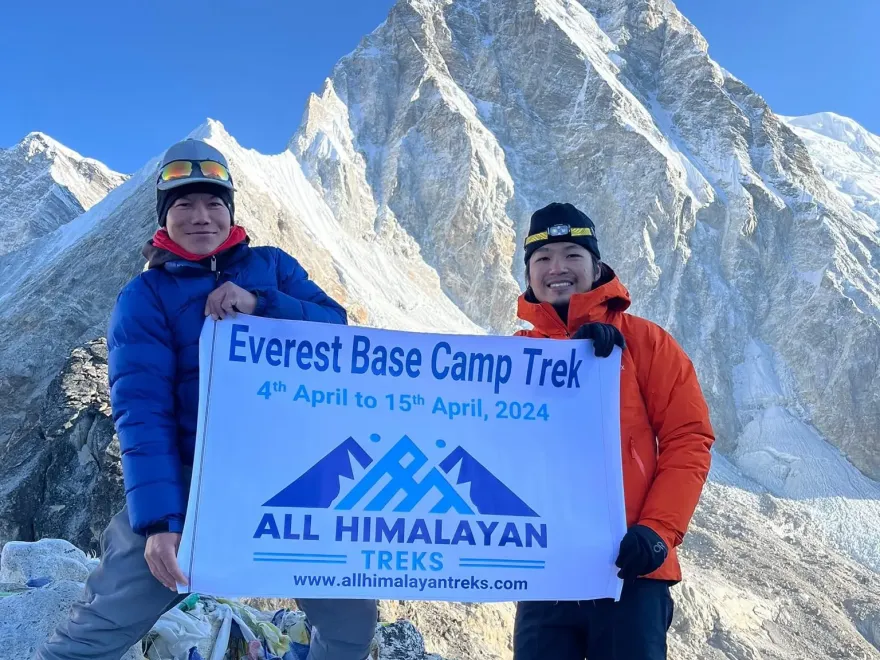
| No of people | Price per person |
|---|---|
| 1 - 1 | $1,450 |
| 2 - 3 | $1,300 |
| 4 - 6 | $1,250 |
| 7 - 10 | $1,200 |
| 10 - 16 | $1,175 |
| No of people | Price per person |
|---|---|
| 1 - 1 | $1,100 |
| 2 - 5 | $899 |
| 5 - 10 | $800 |