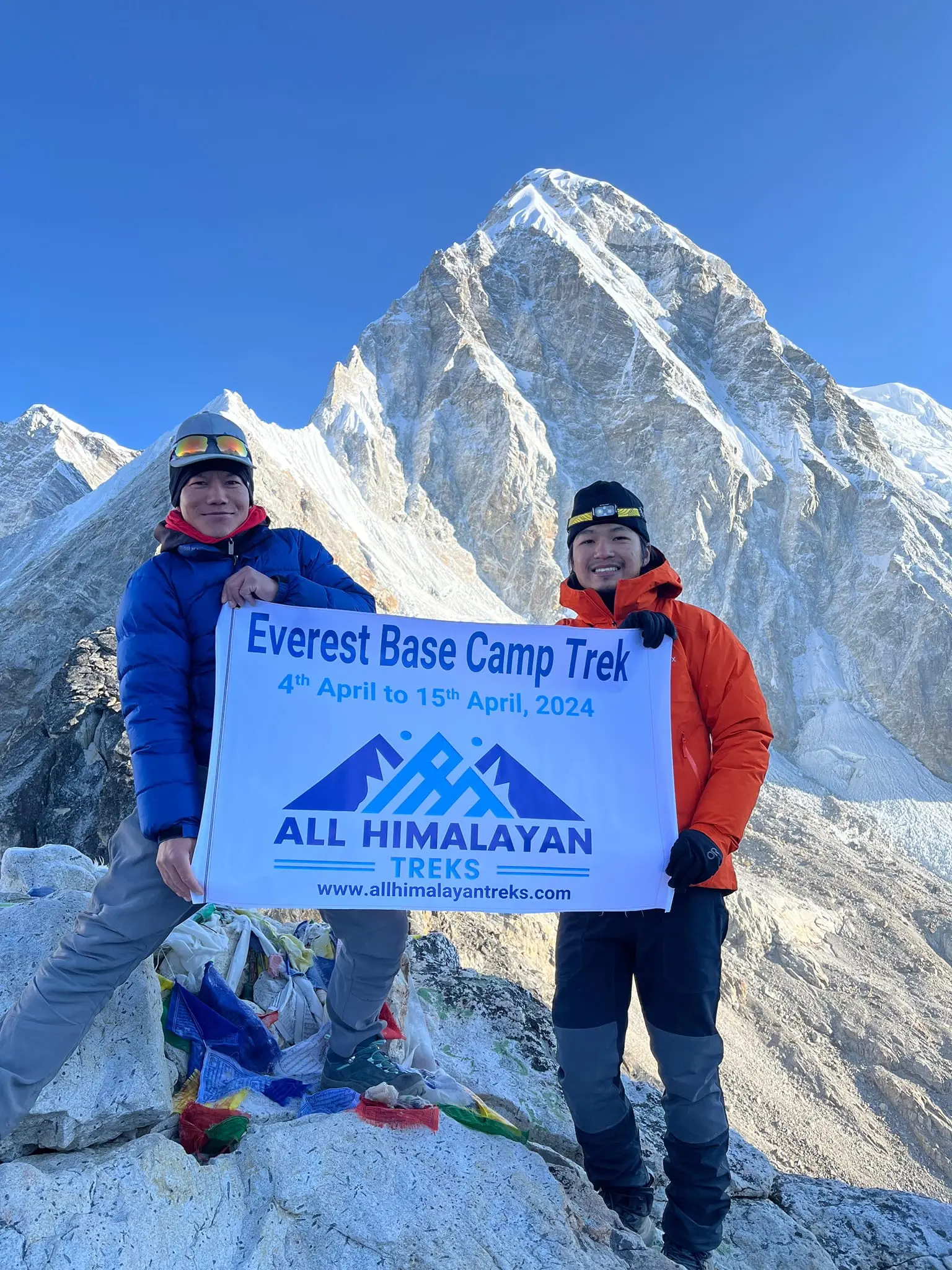
The Everest Base Camp Trek 12 days isn't just about mountains. It's about watching Sherpa children play their hearts out with a deflated ball near centuries-old monasteries. It's about bargaining for handwoven blankets at Namche's market where Tibetan traders sell relics alongside local handicrafts and produce. It's about breathing air so thin your lungs remember it years later. We've seen clients return with changed perspectives after sharing meals with families who live without running water. The real Everest journey happens between trails and communities, not summits.
Stops like Phakding, Lukla, Namche, etc. make up the initial days of our Everest Base Camp Budget Trek. Our Budget Everest Base Camp Trek guides call Namche Bazaar the "Sherpa Wall Street" where potato farmers negotiate yak cheese prices beside smartphone screens. We've watched this town transform since our first trek in 20___. Every year, this town grows bigger and offers more modern services to the trekkers stopping by. But some things never change. Our trek guides still kneel at Tengboche Monastery's butter lamp shrine, every time they visit the site.
The Khumbu Valley breathes through its people. Sherpa families migrated here from Tibet centuries ago, bringing red-roofed architecture and Tibetan Buddhism. Their survival depends on high-altitude farming. We help clients understand this when we stop at Pangboche's barley fields. Local farmers show us how stone walls protect crops from valley winds that would strip seeds bare in minutes. Their children attend the Hillary School built from expedition royalties and donations.
Everest Base Camp holds layers of history. Spring expeditions leave behind oxygen bottles and prayer flags. Off-season reveals rocky terrain where Sherpa climbers train using fixed ropes on the Khumbu Icefall. We avoid the crowded May rush. Our October groups see clearer skies and might even meet veteran climbers who have completed the trek a bunch of times. They might share stories over butter tea in Dingboche, their faces weathered by decades above 8000 meters.
En route, you get to see many peaks and majestic scenes that will leave a mark on your mind. Ama Dablam's perfect pyramid dominates our trail. Sherpas call it "Mother's Necklace" for the hanging glacier that resembles a pendant. Our guides point out hidden details tourists miss. The carved mani stones along the Dudh Kosi River contain prayers placed by villagers after the 2015 earthquake. Teahouse owners in Phakding still serve tsampa porridge in brass bowls salvaged from collapsed homes. This trek is going to be an adventure you will remember for decades to come.
Our Everest Base Camp Trek 12 days begins with a thirty-minute flight to Lukla. Small aircraft navigate mountain valleys before landing on the short runway. We gather gear quickly after touchdown. The trail starts just beyond the airport perimeter. We descend immediately from Lukla at 2860 meters above sea level. The path winds through pine and juniper forests. Stone steps lead us downward and we cross our first suspension bridge within forty minutes. Prayer flags flutter above the rushing Dudh Koshi River. Water crashes over rocks below us as the sound follows us throughout the first day of the Budget Everest Base Camp Trek.
Local porters pass us with heavy loads strapped to their backs anchored by a strap on their forehead. They move with practiced efficiency. We step aside to let them through, at any point on the Everest Base Camp Budget Trek. Their smiles are warm despite the weight they carry. Sherpa women work in small potato fields near stone houses. Children wave from village doorways. We trek for three to four hours total. The distance is seven kilometers. Our elevation drops 250 meters to Phakding at 2610 meters. This descent helps our bodies adjust before tomorrow's climb. The trail surface alternates between packed dirt and stone steps, setting up the tone for the Everest Base Camp Trek 12 days. Boots grip well on the dry path.
Chheplung village appears after one hour of walking. We see traditional stone houses with wooden window frames. Blue paint decorates many doorways and windows. Yaks graze in terraced fields. Their bells create a steady rhythm. We refill water bottles at a clean mountain stream or taps en route. The final stretch to Phakding follows the river closely. We cross two more suspension bridges. Each one sways slightly under our weight. Monastery walls line parts of the trail. Spinning prayer wheels stand near temple entrances where red and gold religious symbols cover wooden beams.
Phakding welcomes us in the early afternoon. Teahouses cluster along the main trail. Simple lodges offer basic accommodation. Rooms contain two beds with thick wool blankets. Shared bathrooms have cold water only. Dining halls serve dal bhat, noodles, Tibetan bread, and many other items. We rest our legs after a long first day on the Budget Everest Base Camp Trek. Short walks around the village help muscles recover. Evening temperatures drop quickly so we layer clothing before dinner. The dining hall fills with trekkers from different countries and stories from the trail fill the room.
This initial day introduces us to the Himalayan trekking rhythm, a crucial part of the Everest Base Camp Budget Trek. The descent protects us from altitude sickness. We learn to pace ourselves on mountain paths and observe Sherpa daily life firsthand. We practice drinking water regularly, adapt to teahouse routines, and simple comforts. Tomorrow brings the steep climb to Namche Bazaar. Sleep comes easily despite thin mattresses. The real journey to the Everest Base Camp Trek 12 days begins tomorrow.


Morning light hits Phakding early on the 2nd day of the Everest Base Camp Budget Trek. We eat breakfast before other trekkers wake. Porridge and eggs fuel our climb for the day. Today tests our legs and lungs as the path stretches ten kilometers ahead. Six to seven hours of walking await us. The trail leaves Phakding crossing the Dudh Koshi River immediately. A long suspension bridge sways underfoot. Metal cables creak with each step. Prayer flags snap in the wind above us. We enter Sagarmatha National Park after this crossing. Park officials check our permits at the entrance gate.
Forest paths replace river trails as pine and rhododendron trees surround us. Stone steps appear frequently as we proceed. Our heart rates increase with every upward move. The trail climbs steadily but never becomes steep until the final approach. We gain 830 meters total on the 2nd day of the Budget Everest Base Camp Trek. This significant elevation gain requires careful pacing. Monjo village marks our halfway point. Stone houses group up around the monastery walls. Sherpa families dry vegetables on rooftops and meat above their fireplace. We refill water bottles at a local tap or can opt to get boiled water at any of the eateries en route. Water safety matters at higher altitudes on the Everest Base Camp Trek 12 days. We check our breathing here as we stop for water. No headaches or dizziness are good signs for acclimatization.
The final challenge approaches after Monjo. A steep climb called Namche Hill tests our endurance. Two hours of continuous upward movement is not an easy feat. Narrow paths wind through rocky terrain, so we use trekking poles for balance and support. Porters pass us without stopping; their strength humbles us. We rest every twenty minutes or so. Short breaks prevent exhaustion. Namche Bazaar appears suddenly around a bend. The largest Sherpa settlement in the Khumbu region spreads across a horseshoe-shaped valley. Red and blue roofs dot steep hillsides. We smell bread baking in local ovens. Hotel owners call out room offers along the main street.
We find accommodation in the upper section. Better views reward the extra climb. Rooms have solar-heated water. Basic but comfortable beds await us. Dining halls serve pizza alongside traditional Nepali food. We choose dal bhat for dinner. Carbohydrates help recovery after the climb. Evening in Namche offers exploration time. We visit the Sherpa Cultural Museum. Handmade crafts and climbing artifacts fill display cases. We buy snacks for tomorrow's trek. Chocolate and dried fruit cost more here than in Kathmandu so we budget carefully. Our Everest Base Camp Trek 12 days guide checks our oxygen levels before dinner.
Altitude affects sleep patterns in the high mountains. We drink extra water before bed. Hydration prevents headaches overnight. We set alarms for 7 AM. Tomorrow brings rest and exploration on the Everest Base Camp Budget Trek itinerary. Our bodies need time to adjust before climbing higher. We review maps of the surrounding peaks. Everest remains hidden behind Nuptse Mountain. Tomorrow's side trip to Everest View Hotel promises our first glimpse of the great peak. We will prepare camera batteries tonight, but cold temperatures drain power quickly. We pack light jackets for the morning hike.
Acclimatization drives our third day of the Budget Everest Base Camp Trek in Namche Bazaar. We stay at 3440 meters to let our bodies adjust. This rest day prevents altitude sickness on higher climbs. We hike to the Everest View Point mid-morning. The trail climbs 440 meters over five kilometers. Two hours round trip gives us strength for the coming Everest Base Camp Trek 12 days.
Our guide leads us through back streets away from the main tourist paths. Stone steps wind upward through private farmland. Farmers grow barley and potatoes on terraced slopes. We ask permission before crossing their land. Sherpa families wave from doorways as we make way. Children practice English phrases with us. Everest View Hotel sits at 3880 meters on a ridge. The first clear sight of Everest appears here. The peak rises behind the Nuptse and Lhotse mountains. Cameras click constantly. We spend thirty minutes absorbing the view. Cold wind bites exposed skin so keep yourself well covered. We wear hats and gloves despite the sunny skies.
The return path takes a different route. We pass through the Syangboche airstrip. Yaks graze on the short landing strip. We watch a helicopter land with medical supplies, if we happen to be there at the right time. Emergency evacuations happen from this non-operational airstrip at times. Altitude sickness requires quick action, so let our Everest Base Camp Trek 12 days guide know about your symptoms. After getting to our accommodation, the exploration of Namche Bazaar begins after lunch. The daily market day fills streets with activity. Traders sell Tibetan jewelry and warm clothing. We bargain for handcrafted souvenirs. Prices drop if we buy in bulk and know the actual value of the piece we are interested in. We buy wool socks for colder nights ahead and local cheese costs three to five hundred rupees per pound. You can sample yak cheese with Tibetan bread.
Bakeries line the lower market area. Fresh apple pie sells for about two hundred rupees a piece. We can share a whole pie with our Everest Base Camp Budget Trek guide and porters if you are interested. Hot tea warms our chilly hands. Conversation mixes many languages from trekkers from many different nations and cultures. You learn about their hiking experiences as well if you have a short chat. The Sherpa museum offers an afternoon education tour. Photographs show early Everest expeditions while the equipment displays include oxygen tanks from 1953. We read stories about Tenzing Norgay. His family still lives in the village. Modern climbing gear exhibits show safety improvements while altitude charts explain acclimatization science.
Our hotel owner invites us to try butter tea. Salty flavor surprises first-time drinkers. We learn the recipe uses yak butter. Local women churn butter daily and cultural exchange matters more than perfect taste. You can ask about her children's education, their daily lives, what things they do for fun in the village, etc. Private schools cost thousands of Nepalese rupees monthly and tourism is their only major source of income outside of farming. Families prioritize education over luxuries. After we are done with the village tour, gear checks for tomorrow's Budget Everest Base Camp Trek trail are a must. Dinner menus change daily based on supplies at hand and climate conditions. Tonight offers lentil soup and fried rice. We eat early to conserve generator power. Electricity shuts off at nine PM. Headlamps become essential equipment after dark.
Our bodies feel stronger after two nights at this elevation. Breathing comes easier during short walks. We sleep without altitude medication. Tomorrow's Everest Base Camp Budget Trek trail to Tengboche monastery challenges us physically. Mental preparation matters as much as physical readiness. Early sleep ensures full recovery.
Clouds clear as we leave Namche Bazaar, the following day on the Everest Base Camp Trek 12 days. The trail drops sharply toward the Dudh Koshi River where stone steps wear smooth from decades of footsteps. Our knees absorb each downward impact. We cross a final suspension bridge at Phunki Tenga. Natural streams flow beside the trail here. Trekkers soak tired muscles after long climbs. The real work begins after the river crossing. A relentless climb ascends through rhododendron forests. Red and pink blossoms cover trees in the spring months. We rest at small chortens along the path. Local porters carry forty-kilogram loads (short distance) without breathing heavily. Their rhythm never budges and we match their pace when possible.
Five hours pass before Tengboche Monastery appears. The white stupa shines against blue mountain skies. Everest, Lhotse, and Ama Dablam reveal themselves suddenly. No words prepare you for this sight on the Budget Everest Base Camp Trek. Snow-capped peaks pierce the horizon. Cameras capture images but miss the feeling. Wind carries prayer flags' whispers across the valley. We remove our shoes before entering the monastery courtyard. Butter lamps flicker inside the main prayer hall. Monk chants vibrate through wooden floors and incense smoke swirls around ancient statues. We receive blessings from an elderly monk. His hands feel like weathered stone. Red robes contrast with his calm smile.
Lunch comes at a teahouse overlooking the valley. Sherpa stew fills our bowls with potatoes and greens. We eat slowly watching clouds dance on the slopes of the giant peaks. Yaks graze on steep slopes below us. Their bells create soft music in the thin air. We refill water bottles from a clean mountain spring. Afternoon rest time helps digestion at high altitude. We explore side trails around the monastery grounds. Stone walls mark sacred spaces. Mani stones carved with prayers line the paths. Children practice English near the schoolhouse. Most of them will ask where we come from since that is what they hear people talk about.
Evening puja ceremonies begin at five o'clock. Monks gather in the prayer hall. Deeply synced singing resonates through the building. We sit quietly on wooden benches. Butter tea warms our hands during the ceremony. The head monk explains Buddhist teachings through our Everest Base Camp Trek 12 days guide. Simple truths about kindness and patience. Dinner arrives as stars emerge above our heads. Thukpa soup and Tibetan bread fill our plates. We eat early to conserve generator power as electricity is very limited in these types of remote settlements. Thin mattresses feel comfortable after six hours of climbing. Sleep comes quickly despite the altitude. Tomorrow brings another climb to Dingboche. Our bodies adapt slowly to thin air.
Alpine light reveals Tengboche's stone pathways at dawn on the next day of the Budget Everest Base Camp Trek. We pack quickly before the cold deepens. Breakfast consists of tsampa porridge mixed with yak butter. The grainy texture coats our throats but provides lasting energy. Nine kilometers separate us from Dingboche. Five hours minimum walking time according to our Everest Base Camp Budget Trek guide. The climb will test our lungs at this altitude. Descent comes first as we start the day. We drop five hundred meters to the Imja River. The valley walls narrow dramatically. Water roars louder with every step downward. Rhododendron forests thin into birch groves. We spot the first chorten marking the Pangboche village entrance. Its white dome shines against gray rock faces. This village houses the oldest monastery in the Khumbu region. We pause briefly but skip the visit. Time and oxygen levels demand forward movement.
Pangboche's stone houses group tightly together. Narrow alleys wind between family compounds. Children play soccer with a deflated ball. Their shouts echo off mountain walls. Sherpa women dry turnips on rooftop stones or the front lawn of their houses. Sunlight turns them deep orange. The smell of barley beer drifts from open doorways. We resist stopping for a taste since dehydrating drinks are not good for acclimatization. The climb ahead requires sobriety and focus. The ascent from Pangboche feels relentless. Stone steps appear without warning. Our thigh muscles burn with each upward push and breathing becomes audible. We count steps between rests as local porters pass carrying construction materials for new lodges. Their silence speaks volumes about mountain life.
Landscape transforms completely above the tree line. Brown hills replace green forests. Wind whips the loose top layer of soil across the path. We tie scarves over our mouths as dust coats our skin. Distant peaks emerge through atmospheric haze. Ama Dablam dominates the eastern horizon. Its pyramid shape cuts the sky. We stop frequently to photograph this perfect mountain. Cameras struggle with the bright snow and dark shadows as Dingboche appears as stone walls first. High barriers protect crops from valley winds. Barley fields sit inside these protective circles. The village spreads across a high plateau. No trees grow here, in this arid landscape. Fuel for cooking and the fireplace comes from dried yak dung. We smell its distinctive smoke before seeing houses. Teahouses form a group near the valley's edge. We chose one with south-facing windows where sunlight fills our room all afternoon.
Our accommodation has shared toilets twenty meters from the main building with cold water only. We wash faces using melted glacial water. Dinner arrives early due to generator limitations. Lentil soup followed by Tibetan bread and vegetable curry. We eat slowly, conserving energy. Stars emerge before full darkness as the Milky Way spins directly overhead. Sleep proves to be a little difficult despite exhaustion because of the high altitude. We wake frequently to urinate as the body eliminates fluids at high elevations. Tomorrow brings another acclimatization day on the Everest Base Camp Budget Trek. Side trips to nearby hills await. Our Budget Everest Base Camp Trek guide promises better Everest views from Nangkartshang peak. We prepare camera batteries and warm gloves before sleep finally comes.
Dingboche's stone walls protect morning tea from the wind on the 6th day of the Everest Base Camp Trek 12 days. We drink slowly watching frost melt on barley fields. Today requires no long trekking. Acclimatization hikes save lives above 4500 meters above sea level. Our bodies need time to produce more red blood cells so we head uphill after breakfast. The trail to Nangkartshang leaves Dingboche's western edge. No villages exist this high. Only yaks and hardy mountain birds share the terrain. The three-kilometer stretch ahead requires a maximum of 2 hours at this altitude. We carry minimal gear, such as water bottles and energy bars, in small packs.
Climbing feels different above 4500 meters. Each breath brings less oxygen. We pause every hundred steps or so. Rest periods lengthen as elevation increases. Our Everest Base Camp Budget Trek guide checks for headache or nausea symptoms. Hopefully, none will appear today, which means good signs for tomorrow's trek to Lobuche. Stone cairns mark the route upward. Prayer flags connect them like fragile spider webs.
Summit views reward our effort. Nangkartshang peak reaches 5050 meters above sea level. Ama Dablam dominates the eastern sky. Its south face glows gold in morning light. Island Peak rises sharply to the north. Makalu appears as well, only on exceptionally clear days. We might spot it today faintly behind cloud layers. Cameras capture less than our eyes see, so enjoy more time off the lens. Altitude science becomes real here. Our heart rates increase about twenty percent at rest. Pulse oximeters should show eighty-five percent oxygen saturation. Normal sea level readings hit ninety-eight percent. This difference explains breathing difficulties. We practice pressure breathing techniques. Short sharp exhales force carbon dioxide out.
Glacial geology surrounds us on all sides. Moraines form ridges of rock debris. Ancient ice carved this valley over millennia. We examine huge, icy boulders near the summit. Parallel scratches tell ice flow direction. After a pleasant and eventful time at the top, the descent proves easier when it comes to endurance, but difficult in the sense that it pressures your knee all the way. Gravity helps tired legs downward but the thin air still limits speed. We slide on loose scree slopes carefully. Trekking poles prevent falls on steep sections. Knees absorb constant impact. We test each step before committing weight.
Dingboche welcomes us with hot soup at noon. Teahouse owners recognize Everest Base Camp Budget Trek acclimatization day patterns. They prepare early lunches for hikers. Sherpa stew contains local greens and potatoes. We eat quickly before the afternoon rest. Sleep helps altitude adaptation more effectively. Afternoon brings gear preparation for Lobuche. We dry boots near stoves and socks air on window sills. Batteries lose power faster in cold temperatures, so we warm them inside jackets before use. Evening temperatures drop to minus five Celsius. Extra thermal layers go into tomorrow's pack.
Our Budget Everest Base Camp Trek guide conducts final health checks before dinner. Oxygen levels and pulse rates improve since morning. This progress allows for higher trekking tomorrow. Lobuche sits nine kilometers away at 4910 meters above sea level. We review the route map carefully as glaciers dominate the second half of tomorrow's trail. Ice knowledge becomes essential survival information. Early sleep ensures full recovery for glacier travel.
The following day on the Everest Base Camp Trek 12 days, the dawn reveals a transformed landscape outside Dingboche. Overnight snow dust can make it seem like you woke up in a completely different place. We eat oatmeal quickly. Cold air freezes water bottles left outside and water pipelines as well. Today demands early starts before afternoon winds develop. Glacial valleys replace familiar trails. Stone paths disappear into rocky moraines. We cross the Khumbu Glacier's lower reaches. Ice tables rise like frozen furniture. Meltwater carves blue channels through ancient ice and crevasses hide under fresh snow. Our Budget Everest Base Camp Trek guide tests each step carefully. We follow exactly in his footsteps.
Memorial sites appear near Thukla Pass. Stone markers honor climbers lost on Everest. Names etched into metal plaques and prayer flags connect each memorial. Families maintain these sites yearly and we pause silently. Some add stones to the piles. Respect matters more than speed here. Altitude changes our walking rhythm. Steps slow to deliberate movements and breathing becomes harsh. Our Everest Base Camp Budget Trek guide watches for coordination loss. Showing no signs of altitude sickness is always a win in these high Himalayas. These small victories matter above 4500 meters above sea level.
Cholatse and Taboche peaks dominate the left horizon. Their sharp ridges cut through morning clouds. Ama Dablam watches from the right. Its eye-catching shape inspires photographers as it is said to be the most beautiful peak in Nepal. We stop less for photos today since we have already seen many great scenes of the same peaks on the way up. Lobuche village materializes around midday. Stone houses stand against mountain walls and no trees grow here. Fuel comes from dry woods, yak dung, and imported kerosene. You can clearly smell the burning of wood and dung since there are no other factors of smell at the remote highland villages. Teahouses stand on rocky terraces. Windows face south for maximum sunlight.
Our room has two beds and a small window. The walls are stone and mud. Floors slope slightly toward the door. Water arrives in thermoses. Toilet facilities require walking fifteen meters downhill. We use them before dark. Afternoon rest proves challenging as thin air prevents deep sleep. We read books instead. Writing requires effort and pens freeze in pockets. We keep them inside jackets if you absolutely need them on the Everest Base Camp Trek 12 days journey. Sherpa children visit asking for school donations. We give notebooks and pencils from Kathmandu. Glacial sounds replace forest noises and ice cracks echo like gunshots. Rocks tumble down distant slopes. We layer clothing for dinner as the temperature drops severely as the day ends. Thermal tops under fleece under waterproof shells. Even indoors, temperatures hover near freezing.
Dinner brings simple yet much needed comfort. Vegetable soup followed by fried rice. The Everest Base Camp Budget Trek guide checks tomorrow's forecast. Hopefully, clear skies will be predicted for Everest Base Camp. Gear preparation takes extra time tonight since tomorrow demands perfect preparation. Mental focus sharpens at this elevation. Base Camp lies just a day away. We visualize the final push. Glaciers stretch ahead like frozen rivers and icefalls block direct routes. Our Budget Everest Base Camp Trek guide's experience guides us. Early sleep is important as it prepares us for the highest trekking day tomorrow.
On the 8th day of the Everest Base Camp Trek 12 days, frozen air bites exposed skin as we leave Lobuche before sunrise. Headlamps cut through the darkness on the glacier trail. Our boots crunch over moraine rocks. The path climbs gradually across the Khumbu Glacier's tongue. Ice cracks beneath our feet. Deep cracks hide under snow bridges. We follow our Everest Base Camp Budget Trek guide's exact footsteps without deviation. Gorakshep appears after three hours of walking. One of the highest settlements on Earth sits beside high ice slopes. Stone buildings stand strong against fierce winds. We drop packs at our teahouse with no time for rest as the Base Camp waits. We refill water bottles and check oxygen levels. Fingertips stay warm, thanks to our gloves. Breathing should remain steady since it is a good sign for the final push.
The trail to Everest Base Camp crosses true glacial ice. The route is pretty simple and does not require any safety equipment. For the first time in a week, we will not see any Yaks, since they cannot travel this terrain. All supplies arrive by helicopter or human porters. Altitude slows time and thoughts, it's not only physical but also mental. Each step requires conscious effort. Everest Base Camp materializes suddenly. Tents cluster on rocky terrain at 5364 meters above sea level. National flags mark expedition territories. Climbers prepare for summit attempts. We see oxygen bottles stacked like firewood. Cooking stoves hiss inside mess tents. Sherpa teams sort climbing gear methodically.
No casual tourists linger here. This is a working camp. We spend one hour at Base Camp. Photos capture the moment but miss the feeling. Everest's summit hides behind the South Col. We see only the Khumbu Icefall's jagged teeth. Ice collapses with thunderclaps every few minutes. Rockfall echoes off valley walls. We respect the mountain's power. Everyone here has some serious business they are aiming to work out. After our time at the camp, we have to head back to Gorakshep to spend the night.
Returning to Gorakshep demands mental strength. Our legs ache after eight hours of walking. The sun beats down on exposed ice. We apply high SPF lip balm every hour or so. Snow blindness threatens without the protection of shades. Our Everest Base Camp Budget Trek guide checks for dizziness or confusion. If none appear, it means our bodies have adapted well. Gorakshep's dining hall offers simple rewards. Hot lemon tea revives frozen fingers. Dal bhat provides essential carbohydrates. Sleep comes struggling in thin air, but you must avoid breathing through open mouths. Headaches throb behind the left eye sometimes.
We drink extra water to combat dehydration. Altitude sickness prevention requires constant vigilance. Our Budget Everest Base Camp Trek guide wakes us at four AM the next day, to check oxygen saturation. Tomorrow brings Kala Patthar at dawn. The highest viewpoint on our Everest Base Camp Trek 12 days. We prepare camera batteries inside sleeping bags. Tomorrow's climb will test everything we learned. Everest finally reveals herself at sunrise. We must be ready.
Day 9 of the Everest Base Camp Budget Trek has you awake at 4 in the morning. Headlamps pierce frozen darkness at 4:30 AM. We sleep in layers even inside sleeping bags. Fingers stiffen immediately in minus fifteen-degree air. Empty stomachs climb better to Kala Patthar's summit. We sip warm water mixed with glucose powder. Quick energy for the highest point of our Budget Everest Base Camp Trek. The climb begins on loose scree slopes. Headlamp beams catch falling rocks sometimes dislodged by other trekkers above. We wait patiently between slides. Stone steps appear briefly then vanish. Our Everest Base Camp Trek 12 days guide leads in complete silence, speaking only when it's absolutely necessary. Only boot crunches and labored breathing fill the dark. Oxygen feels scarce even at this slow pace.
First light hits at around 5:45 AM on average. Headlamps switch off simultaneously across the ridge. Stars fade behind a growing glow. Pink light spreads across Nuptse's face, then Everest emerges. The summit glows gold while valleys remain dark. No camera captures this moment properly. The mountain feels alive as wind howls across the exposed ridge. We wear all clothing layers simultaneously. Two hours pass on the summit. Trekkers share thermoses of hot tea. We take turns photographing each other against the greatest peak. Everest Base Camp Budget Trek guides point out climbing routes on the Khumbu Icefall. Tiny figures move like ants near Base Camp far below. Helicopters appear as distant specks retrieving injured climbers. Reality bites harder than the cold.
Descent to Gorakshep happens quickly. Knee joints absorb constant impact on the steep trail. We eat leftover bread and cheese during brief stops. Warm lunches wait at the teahouse. Although we are kind of in a hurry, a leisurely meal time for energising lunch is mandatory. The long walk to Pheriche begins immediately after we are done with the meal. Seventeen kilometers demand long daylight hours. Trail conditions change dramatically below 5000 meters above sea level. Rocky paths transform into dirt tracks. After days of barren terrain, we finally get to see some green. Breathing eases noticeably. We remove inner glove layers. Conversation returns to our group and jokes about sore knees and heavy packs fill the air.
Pheriche's airstrip appears after six hours of walking. A flat valley floor feels alien after mountain trails. We pass the Himalayan Rescue Association hospital. Doctors monitor trekkers with altitude sickness. Oxygen tents stand ready outside. We stop for health checks. Pulse rates and oxygen levels improve significantly at lower elevations. Teahouses here have attached bathrooms. Hot showers cost extra but feel essential. We wash away nine days of trail dust. Dinner menus offer fresh vegetables flown in from other lower-region villages. We eat tomato soup and fried momos gratefully. Electricity runs until ten PM. We charge cameras and phones simultaneously.
Sleep comes deeply in Pheriche since the lower altitude allows proper rest. We dream of the sunrise colors on Everest's face. Tomorrow brings another long Everest Base Camp Budget Trek day but energy returns to our bodies. The highest point lies behind us now. Every step forward means warmer temperatures and thicker air. We fall asleep planning our victory celebration in Namche Bazaar.
Legs remember every step as we descend from Pheriche on the 10th day of the Everest Base Camp Trek 12 days. Nineteen kilometers stretch ahead which will take us six hours minimum. Muscles ache from yesterday's Kala Patthar climb and downhill walking pounds knees relentlessly. Trekking poles become essential armor against joint pain. Trail dust replaces glacial ice under our boots. Stone paths widen into dirt tracks. Rhododendron forests return gradually. Bird songs replace ice crack sounds. Breathing deepens without conscious effort. Oxygen saturation has improved by twenty percent since Gorakshep. Our bodies celebrate the change.
Pangboche monastery appears before noon. The oldest in Khumbu watches over barley fields. We do not skip the visit this time although our focus stays on forward movement. Sherpa women use the natural warmth of the sun to dry age different organic ingredients for a longer shelf life. Their laughter carries across terraced slopes. Children run toward us waving small hands. We toss chocolate bars from our packs. Small joys matter on long trails. Lunch happens at Tengboche's teahouse terrace. The same view that stunned us days ago now feels familiar. Everest hides behind Nuptse again. We eat dal bhat quickly. Helicopter sounds echo through the gh valleys. Medical evacuations increase during descent days.
Monjo checkpoint requires permit verification. Park officials stamp our papers efficiently. Suspension bridges multiply near Phakding. Each crossing sways differently. Metal cables hum with wind vibration. Prayer flags show fresh tears from recent storms. We count over twenty bridges between Tengboche and Namche. Altitude loss affects digestion positively. Appetite returns after days of forced eating. We purchase fresh bread in Phakding. Bakeries thrive at lower elevations as ingredients arrive daily by porter trains. Sugar prices triple compared to Kathmandu, but we pay gladly for an energy boost.
Namche Bazaar reveals itself slowly. First the airport runway, followed by red tin roofs on steep slopes. Finally the bustling market streets which bring modern facilities. Saturday trading peaks as we arrive. Tibetan traders sell hand-woven blankets. Sherpa women bargain fiercely over dried cheese prices. We smell baking apple pie from familiar bakeries. Our original teahouse has available rooms. The same solar-heated water system works perfectly. Hot showers cost extra but feel essential after ten days. We wash away glacial dust and sweat. Clean clothes feel like luxury items.
Dinner brings reunion energy. Trekkers from our flight share stories at long tables. Climbers describe summit attempts and photographers show Everest sunrise images. We compare altitude sickness experiences. Laughter returns easily at this elevation. Tomorrow's final push to Lukla seems very easily manageable now. Early bed prepares us for the last mountain day on the Budget Everest Base Camp Trek. Sleep comes quickly as the mattresses now feel much more comfortable, comparatively.
Today is the last trekking day of the Everest Base Camp Trek 12 days. Morning mist blankets Namche's rooftops as we pack our final bags. Our legs feel stronger after two nights at a lower altitude. Seventeen kilometers separate us from Lukla's airstrip. Six to seven hours of downhill walking await. Knee braces have become very helpful equipment today, but are not mandatory at all. Trail dust coats our boots immediately. Yesterday's luxury hot showers feel distant already. We descend through juniper forests thick with morning dew. Stone steps multiply with every kilometer. Trekking poles absorb constant impact. Porters pass carrying construction materials uphill. Their loads seem lighter than our own packs. We envy their mountain rhythm.
Breakfast happens at a trailside teahouse in Monjo. Fried bread and honey cost double Namche prices. We eat quickly watching park rangers check permits. Sagarmatha National Park exit formalities were completed efficiently. The valley widens as we lose elevation. River sounds grow louder with each downward step. Phakding appears around noon. The same suspension bridges we crossed days ago now feel familiar. Children recognize us from our first passage on the Everest Base Camp Budget Trek. They shout greetings in broken English. We present the remaining candy from our packs. Their laughter follows us across the final bridge. Lunch stops at the same teahouse from day one of the Everest Base Camp Trek 12 days. Owners remember our order preferences.
Afternoon heat builds in the valley. We remove outer layers despite dusty Budget Everest Base Camp Trek trails. Glacial streams replace raging milky rivers in our view. Bird songs return to forest paths. Breathing comes easily without conscious effort. Oxygen saturation reaches almost ninety percent. Our bodies celebrate the return to a lower altitude. Lukla comes into view soon with the sound of aircraft engines. Then the short runway appears on the mountainside. Finally, the upbeat market streets surround us. We reach the airstrip edge by four PM. Flight boards show tomorrow's schedule. Weather windows determine departure times.
Our final teahouse does not lack hot water. Rooms smell of damp wool and kerosene stoves. Dinner menus offer pizza and French fries. Tourist food replaces traditional Sherpa meals. We sort souvenirs for family members. Prayer flags and hand-carved statues fill small packs. Tomorrow's flight brings mixed emotions. Adventure ends but memories remain. Sleep proves difficult despite exhaustion. Aircraft noise disrupts mountain silence in the morning, however, the noise from the small aircraft is not that loud. Tomorrow's flight promises dramatic views in reverse. Mountains shrink as engines roar downward. Kathmandu's heat awaits after twelve days of cold Everest Base Camp Budget Trek. We set multiple alarms for pre-dawn departure. Sleep finally comes near midnight. The trek concludes tomorrow but the journey continues.
This is officially the last day of the Everest Base Camp Trek 12 days. Flight boards flash departure times at dawn. We queue before sunrise with our Lukla to Kathmandu tickets. Small aircraft fill the mountainside runway. Pilots check weather reports constantly. Morning clouds threaten flight cancellations. We board quickly when called. Seats feel cramped after days of open trails. Engines roar as we lift off the short runway. Mountains shrink beneath our wings and glaciers become white threads. Sherpa villages turn into tiny dots. The flight lasts around thirty minutes but feels like seconds. The dramatic landscape shifts from icy peaks to green hills.
Kathmandu Valley appears as a brown haze on the horizon. Turbulence might shake the small plane and passengers grip armrests tightly. Pilots navigate narrow valleys with practiced ease. Landing gear touches down at Tribhuvan Airport. Heat hits us immediately upon exit. Humidity replaces mountain dryness. We collect dusty packs from baggage claim. Customs officials stamp our passports efficiently. The city noise overwhelms after mountain silence.
Hotel transfer vehicles wait in chaotic airport parking. Drivers hold handwritten signs with guest names. We squeeze into a van with other trekkers. Traffic jams dominate the route to Thamel. Dust coats our faces if you decide to keep the open windows. We navigate narrow streets filled with scooters and carts. The journey takes a minimum of twenty minutes. Our hotel room feels luxurious after the teahouse accommodations. Real beds replace thin mattresses. Private bathrooms offer hot showers, at zero additional cost. Clean and fresh towels feel like gifts. Windows open to the street markets below. We hear vendors calling prices in Nepali. The smell of spices replaces pine forests.
Afternoon is the best time for practical tasks. Money exchange shops line Thamel streets. We convert leftover rupees to home currency. Currency exchanges charge a slight fee but work reliably. Souvenir shopping happens near Durbar Square. Thangka paintings and singing bowls fill shop windows. We bargain carefully for prayer flags. Quality varies greatly between stalls. Evening meals feel celebratory. Restaurant menus offer diverse options beyond dal bhat. We order momos and local beer. Other trekkers share tables and stories. Everyone shows phone photos from their climbs. Language barriers disappear over shared adventures. We toast to safe returns. Electricity runs all night here, no generator shutdowns.
Final gear organization occupies late hours. Wet boots dry near the balcony railings. Dirty clothing goes into laundry bags. Cameras charge fully for city photography. Hand-carved statues and wool hats fill small spaces. Passports stay in safe bags or pockets tonight. Tomorrow brings departure flights home. Sleep comes easily despite street noise. Soft mattresses caress tired bodies. We dream of suspension bridges and prayer flags. The Everest Base Camp Trek 12 days adventure officially concludes today. Memories settle deeper than fatigue. Kathmandu's chaos feels comforting after mountain extremes. We set alarms for the final departure tomorrow. This Budget Everest Base Camp Trek changes us permanently. The mountains stay with us always.


Our trip begins at Kathmandu's chaotic airport where adventure meets reality. Our lead Everest Base Camp Trek 12 days guide meets every group personally after flight check-in. He carries handwritten name tags because airport screens often fail. Flight day brings unpredictable drama. Lukla's runway closes with morning fog more often than tourists expect. We keep backup plans ready. Last November, our group hiked to Phaplu instead when flights were canceled for three days.
Airport chaos in Lukla tests patience immediately. Small planes land every thirty minutes or so when the weather allows. We organize gear collection fast. Porters wear bright colors so clients spot them easily. The first trek to Phakding reveals Himalayan life. We avoid rushing downhill. New clients often speed up on descent, hurting their knees later. Our Budget Everest Base Camp Trek guide stops at Chheplung to show medicinal plants that locals sometimes use. He knows every suspension bridge's history.
Altitude humbles even elite athletes. Even some of our strongest trekkers have collapsed at Namche despite perfect fitness. We carry oxygen bottles to accommodate the people who fail. Physical strength means little without proper acclimatization. Knee damage ruins more treks than altitude sickness. Stone steps punish unprepared joints. We watch walking styles closely. Shallow steps signal trouble ahead. Weather changes everything instantly. Two clients have even suffered frostnip because of the unpredictable patterns of the weather in the high mountain lands. Mountain forecasts fail often, so our head Everest Base Camp Trek 12 days guide reads cloud patterns his father taught him. He turns groups back when certain types of clouds appear.
Mental fatigue surprises city dwellers most. Simple tasks like tying boots become exhausting above 4500 meters. We carry emergency chocolate for mood boosts. The thin air amplifies small frustrations. Our success comes from flexibility. We adjust daily distances based on group energy. No fixed schedules when bodies struggle. We have even spent days in Namche waiting for one client's oxygen levels to stabilize. He reached Base Camp eventually. Patience beats summit photos every time. Your safety shapes our decisions, not itinerary promises.
Our Everest Base Camp Budget Trek guides prefer autumn's crystal skies over spring's busy trails. After over ten years of leading treks, they have seen October deliver the most reliable conditions. Monsoon rains wash dust from the air in September. What follows are weeks of stable weather we can count on. Last year's October trek had very minimal flight delays from Lukla. That's rare good fortune in the Himalayas. Spring brings rhododendron blooms that paint entire valleys red. But afternoon clouds build faster than we expect. Temperatures feel more comfortable in autumn too. Beginners struggle less with the cold when daytime highs stay around 12°C.
Winter attempts worry our team. We have heard countless rescue stories, the most recent one being three trekkers stranded near Gorakshep during a December blizzard. Their Everest Base Camp Trek 12 days guides hadn't checked weather forecasts properly. Monsoon season is simply not worth the effort and the risk. Landslide damage can close the trail above Namche. Our insurance doesn't cover weather-related evacuations during rainy months. Real talk from our head Budget Everest Base Camp Trek guide: "October and November are the best months to fill your journey with peace. The mountains show their true faces and your knees feel younger on dry trails. The teahouse owners smile more when the skies stay clear."
Many of our clients have proved that beginners can succeed. We have personally guided their six-month training session before joining us for the Budget Everest Base Camp Trek. Daily stair climbing with a backpack saved their knees on Namche Hill. Some people think gym workouts prepare them adequately, which is not entirely false, but cardio is the main thing you should focus on. Our team sees this often, beginners who listen to their bodies finish strong. Those who push through headaches end up in helicopters. Altitude doesn't care about your fitness tracker data. We watch for subtle signs - changes in walking rhythm, quieter group members, skipped meals, etc. Our Everest Base Camp Trek 12 days guide carries extra oxygen because he's seen too many "strong" hikers collapse at Lobuche.
Truth is, this Everest Base Camp Budget Trek breaks people who skip preparation. We require medical clearance forms for good reason. Beginners who respect the process surprise themselves by completing the Budget Everest Base Camp Trek without any major issues at all. Practical advice from our experience: train with weight on steep hills, develop a habit of drinking 2 to 3 liters daily before you arrive, and learn to recognize your personal altitude warning signs. Our success rate with properly prepared beginners sits at over 90 percent. That number comes from real people, not brochure promises. We turn away unprepared clients sometimes, as it is simply not practical, so they struggle and end up being evacuated. That's better than carrying them down on stretchers. Your safety matters more than our profit.
We see altitude sickness as a silent thief. It steals joy from trekkers who rush upward too fast. Our Everest Base Camp Trek 12 days guides have had to carry clients down to a safer altitude as they ignored the preventive measures. Our prevention protocol works because we enforce it strictly, but we can not keep an eye on your every move. We watch breathing patterns more than pulse oximeter numbers. When trekkers start speaking in short gasps, we know it's time to rest. We turn trekkers around at Tengboche if anyone shows dizziness. Better disappointment today than evacuation tomorrow.
Sleeping low works better than expected. That's why we build acclimatization days into every Everest Base Camp Budget Trek itinerary. We've learned this from carrying too many people down mountain trails. Hydration saves more trekkers than Diamox pills. We enforce a minimum of 2 to 3 liters of water daily. When newcomers complain about frequent bathroom stops, we make it clear that many people have had to evacuate because they simply did not follow the basic preventive measures. Clear urine means safe trekking. Dark yellow means trouble ahead. We check and refill water bottles at every lunch stop.
Our most effective tool is patience. We've canceled summit attempts when the weather and altitude combined dangerously. This can be frustrating for clients at times but we have to make the correct decision to save unnecessary expenses and evacuations. Altitude respects only humility and caution.
Teahouse life teaches adaptability. Our Everest Base Camp Budget Trek guides have even slept in rooms warmed only by yak dung stoves at times. Our guides know which lodges have reliable solar water in Namche. We avoid newly built places near Gorakshep. Their thin walls freeze solid by midnight. We book rooms with south-facing windows whenever possible. The morning sun cuts through the cold faster than any heater.
Food safety becomes critical above 3000 meters. We insist on boiling or at least using purification tablets in water for the entire length of the Everest Base Camp Trek 12 days. The porters carry a few water purification tablets as backup. Our guides understand any food restrictions before serving groups. They know which teahouses reuse cooking oil too many times. Basic meals fuel real adventure. Dal bhat gives consistent energy when protein sources vanish at high camps. Sherpa stew with local greens prevents scurvy on long treks. We carry emergency ginger candies for nausea days.
Water discipline separates successful trekkers from sick ones. We check every water source personally before allowing group use. Glacial streams look clean but carry parasites. We boil water for a minimum of ten minutes. We watch newcomers fill bottles from taps without filtering. Their diarrhea stories fill our evacuation reports. Teahouse economics affects everything. We pay extra for rooms with attached bathrooms all along the Budget Everest Base Camp Trek route. Our clients value privacy after weeks of shared facilities. We negotiate lunch stops at family-run lodges off main trails. Their thukpa tastes better and costs less. Our relationships with lodge owners ensure hot meals during flight delays. These connections keep our trekkers safe and fed when the weather turns bad.
Flight chaos defines Lukla operations. We've seen many groups stranded for four days when clouds swallowed the runway. Ground transfers in Kathmandu separate professional operators from amateurs. We own our van fleet after watching tourists get scammed by independent drivers. To accommodate easy access to and from the airport, we bought our first All Wheel Drive van. Today, all our vehicles have satellite trackers and spare tires. Porter's welfare matters beyond ethics.
The human element transforms transportation from logistics to care. Our head porter remembers every client's name and dietary needs. When someone gets injured either on descent or ascent, the porters or guide help them get to the nearest medical post or carry them if they are unable to walk completely. That's why we provide porters with quality gear and insurance. Their strength becomes our clients' safety net.
We pre-fill all forms before the arrival of our guests and maintain good relationships with the permit officers, professionally. The Khumbu Pasang Lhamu permit requires the local presence we've built over time. Sagarmatha National Park permits reveal the entrance to a UNESCO park, protected by national and local efforts. We verify every permit twice before beginning the Everest Base Camp Trek 12 days. A simple printing error can invalidate permits and the case gets worse if we happen to notice it only after starting the trek and completing the Lukla flight.
Permit costs keep rising but we absorb hidden fees. Many companies quote low prices then charge "processing extras" later. We include all permit costs upfront because honesty builds trust. This approach has even earned us referrals from previous clients who appreciated transparent pricing during the inflation crisis. All the expenses related to the permits required to complete the Everest Base Camp Budget Trek are covered by the trek package. Make sure to keep them safe as you will be needing them throughout the Budget Everest Base Camp Trek, not just upon entry.
Preparation separates finishers from evacuees. We do not necessarily require fitness verification, but we do look out for trekkers who seem unfit and unprepared for the Everest Base Camp Trek 12 days. We now mandate a minimum of six months of training for beginners. Our checklist includes stair climbing with five-kilogram packs. Many clients skip this and they regret it on Namche Hill. You have to cover this 600-meter uphill section to get to Namche Bazaar; there is no other route.
Cardio exercises are the best to prepare your body for the Everest Base Camp Budget Trek, while strength training prevents common injuries. Altitude simulation helps but doesn't replace real exposure, and we do not mandate such training sessions. Hydration practice matters equally. We watch clients carry empty water bottles through airports. Their hydration should begin before landing in Kathmandu as it's a matter of building a habit.
Mental preparation saves lives. Our guides spot mental fatigue before physical collapse. They carry emergency chocolate for mood boosts during tough days. Gear mistakes cause thirty percent of our evacuations. Broken boots forced some of the trekkers in another group to go down last spring. We inspect footwear personally during orientation. No new boots allowed past Lukla. We can rent spare trekking poles at Namche along with other trekking equipment if you seem to have forgotten some. Your fitness plan must include gear testing. Walk twenty kilometers in full equipment before arrival.
Monsoon weather forced us to create backup paths. The classic route floods near Phakding during heavy rains. We developed a high route through Junbesi village. This detour saved a group when landslides blocked the main trail. Local farmers now maintain this path for trekkers from all over the globe. Their children guide our trekkers through safe passages with enthusiasm and the Everest Base Camp Trek 12 days guide plays along. Helicopter dependencies worry us. Some companies promise quick rescues while reality differs. Rescue operations are not owned or operated by trek agencies, they do not have any say on how fast their clients will be rescued. It all depends on the variables, the location of rescue, the weather conditions, the time of day, etc.
The Gokyo Lakes variant appeals to photographers. We avoid it during peak season since crowded teahouses at Machhermo compromise an intimate trekking experience. Instead, we use a hybrid route. We reach Gokyo via Cho La Pass then rejoin the main trail at Dzongla. This path shows Everest's west face clearly. Few groups know this option. We limit it to eight clients monthly to preserve its wild character. Winter alternatives exist but demand expertise. The lower Solu route stays snow-free while the Khumbu freezes. We run this path only with specialized Everest Base Camp Trek 12 days guides.
Flight delays reshape entire Everest Base Camp Budget Trek itineraries. When Lukla closed for three days at once, we rerouted through Phaplu. This added two days but saved the Budget Everest Base Camp Trek trip. Our relationships with Phaplu lodge owners mean warm rooms and hot meals during emergencies. Flexibility beats rigid planning in Himalayan travel. We build escape routes into every itinerary. Safety nets matter more than fixed itineraries.
Budget reality hits hard at Lukla airport. We have seen some trekkers panic when they realize ATMs don't exist beyond Namche. But our clients have never been one of them, as we make it very clear to them before starting the Everest Base Camp Trek, 12 days. Our Budget Everest Base Camp Trek guides have even seen three trekkers sharing one power bank because they miscalculated charging costs. Budget for daily expenses properly. Teahouse charging costs triple at Gorakshep. Ten dollars for a full phone charge shocks many beginners. But it's not daylight loot, it's a fair price judging the remoteness and the very minimal infrastructure around you.
Porter tipping creates awkward moments sometimes. We include fair wages in our package but clients often want to tip the hard workers based on their performance. Our head porters and guides have always been well-appreciated by the clients. There is no fixed rate for tips, but if you want a number $10 to $15 a day seems like a fair price. These salaries support entire families in remote villages. Your extra dollar buys school books for their children.
You must also prepare for the unexpected expenses as flight delays bankrupt unprepared travelers. When the monsoon stranded a group last August, clients without emergency funds ate only rice for three meals. Meanwhile, we had our clients budget a couple of hundred dollars for situations like these. Medical evacuations cost fifteen thousand dollars minimum per head. Travel insurance isn't optional and we verify coverage personally before departure.
Hidden costs surprise budget trekkers. Lukla's airport tax, national park permits, and extra nights during weather delays. Your budget must include twenty percent flexibility and sometimes it might just save you from a lot of trouble.
Charging reality shocks city dwellers. We recommend our trekkers carry power banks after watching phones die at Base Camp while shooting pictures. Electricity costs escalate dramatically with elevation. Phakding charges one dollar for a full phone charge. Gorakshep demands ten. We enforce battery discipline: phones on airplane mode, cameras off between shots. Our record shows groups following this rule lasting four days longer on single charges. Internet connectivity follows a harsh hierarchy. Namche Bazaar offers 3G speeds if you pay twenty dollars daily. Above Dingboche, WiFi becomes a myth. Satellite phones save lives but cost eight dollars per minute.
Solar chargers disappoint in Himalayan conditions. Cloud cover and short daylight hours limit their effectiveness. Power outages disrupt charging plans constantly. Teahouse generators fail during peak usage hours, so we have to time our charging during lunch hours when others hike. Evening charging requires patience. Most teahouses shut down generators by eight or nine PM.
Weather delays drain wallets fastest. Bad weather can have you trapped at a certain point during the Everest Base Camp Trek 12 days, having you stay at the same village for days. We have watched other trekkers ration meals when emergency cash ran low. Always carry $300 buffer cash beyond your main budget. Tipping culture confuses many first-timers. Our porters earn a handsome daily base pay, but tips are always appreciated as every dollar matters in a third-world country.
Medical emergencies cost the most which is why we verify insurance coverage personally now. Paperwork saves lives when oxygen runs low. Souvenir pressure hits hard in Namche markets. Hand-carved statues marked 500 rupees cost 50 in Kathmandu. Our guides intervene when clients overpay out of guilt. We arrange fair-trade handicraft visits instead. Your $20 buys a family's food for a week. Spend wisely.
Documents & Essentials
Clothing
Handwear
Footwear
Gear & Accessories
Miscellaneous
In total, you will trek for 11 days, including both the acclimatization hikes to the Everest Hotel and the Nangkartshang viewpoint.
Yes, before the booking, you can ask one of our reps for alternative route options and work out an Everest Base Camp Budget Trek itinerary based on your preferences.
You should try local delicacies like Sherpa stew, rildok, thenduk, thukpa, etc. at least once before you decide if you like them.
No, since resources are very limited in the remote mountains, you just have to adjust to what's available
You can simply focus on cardio and endurance-building exercise, focusing on the lower half of the body.
Tools like trekking poles, sturdy legwear, gloves, shades, a beanie, down jackets, climbing equipment, etc., are an inseparable part of the Budget Everest Base Camp Trek.
In extreme conditions, our Everest Base Camp Trek 12 days guide will immediately arrange for evacuations.
No, it does not necessarily imply fewer chances since altitude sickness hits everyone the same. But, experienced trekkers know how to avoid the sickness, so in a way it does mean fewer chances of altitude sickness.
We will have you travel in a van or a sedan as per the size of the group. You do not have to pay extra for these transports as it is a part of the Everest Base Camp Trek 12 days package.
No, our trek package does not cover the extra expenses incurred by the extra weight. You have to pay it out of your own pocket, separately.
In such cases, we will report the incident at the next checkpoint and get you a new one. This will cost you a bit extra, which the standard Budget Everest Base Camp Trek will not cover.
No, the overall price remains the same despite the fact that you have not used some services during the Everest Base Camp Trek 12 days.
Our crew members have years and decades of experience going up and down the Khumbu valley. They will be your best companions on the Everest Base Camp Trek 12 days.
As an ethical trek agency, we make sure that our hard workers are paid fairly. Although tipping is not mandatory, it's highly appreciated.
No, you will be charged a certain percentage of the total advance payment in cases of cancellations.
From a personal level, there is nothing you can do to make it happen as mountain weather can sometimes shift the start date by a day or two.
The best thing you can do is to pack weather-proof clothing and gear.

| No of people | Price per person |
|---|---|
| 1 - 1 | $1,450 |
| 2 - 3 | $1,300 |
| 4 - 6 | $1,250 |
| 7 - 10 | $1,200 |
| 1o - 16 | $1,175 |