Exploring the Land of Himalayan Wonders | By All Himalayan Treks | www.allhimalayantreks.com
Nepal is a small country with an enormous reputation. Tucked into the heart of the Himalayas, it is famous for its snow peaks, its mix of cultures and some of the best trekking trails on earth. Whether you come for adventure, nature or a spiritual journey, there is a Nepal for you.
This guide covers what you need to plan your trip: where Nepal is, why it deserves a place on your list, the places worth visiting, how visas work, when to go and some practical tips from our team in Kathmandu.
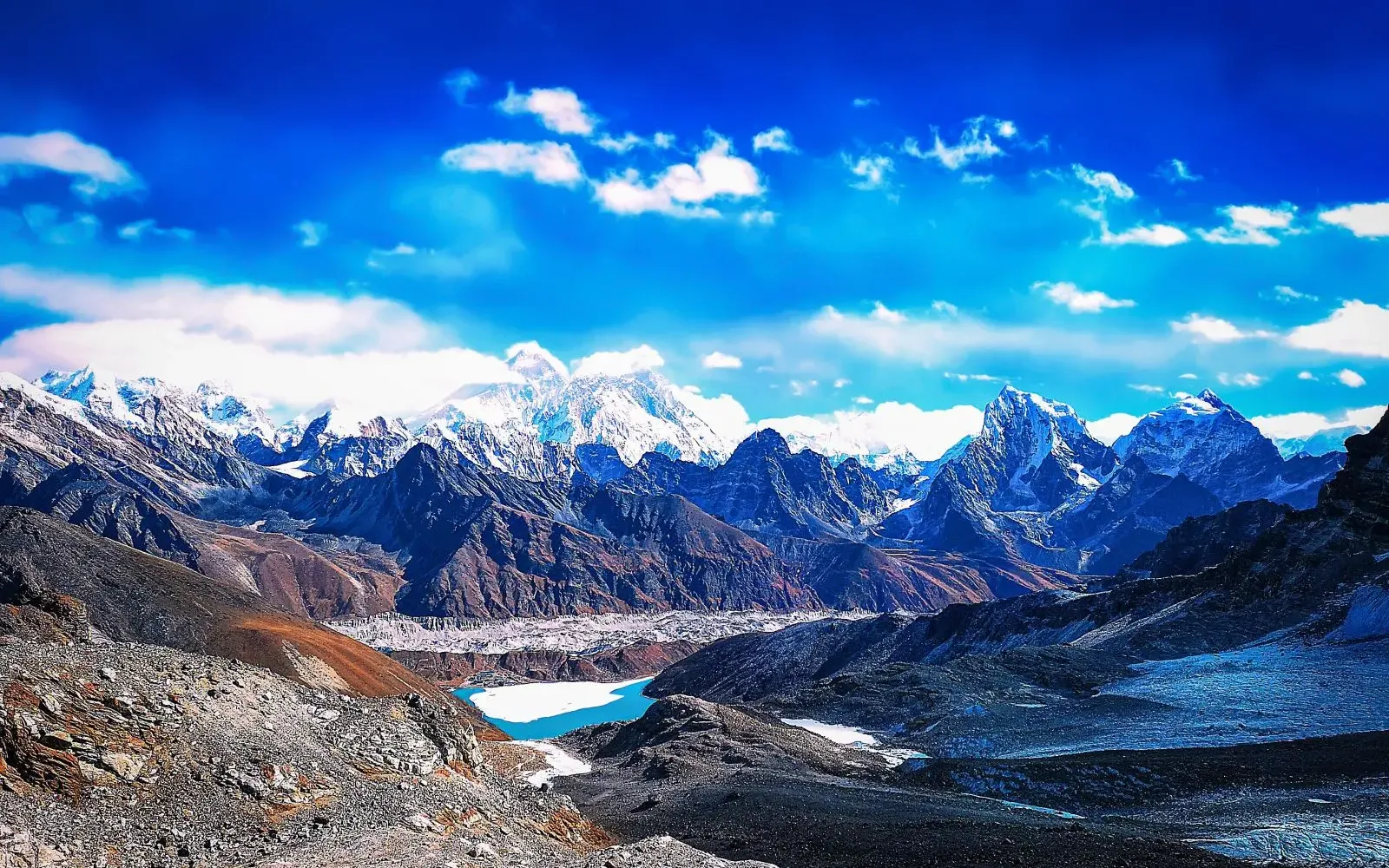
Nepal is a landlocked country in South Asia. It borders Tibet (China) to the north and India to the east, south and west. In a few hours' travel you can pass from the tropical lowlands of the south to the high peaks of the north, home to Mount Everest, the highest mountain in the world. That range of landscapes, from jungle to snowfields, is a big part of Nepal's appeal.
These quick facts cover what most travelers want to know before booking.
| Topic | Details |
|---|---|
| Capital city | Kathmandu |
| Currency | Nepalese Rupee (NPR) |
| Languages | Nepali is the official language; English is widely understood in tourist areas |
| Time zone | Nepal Standard Time, UTC+5:45 |
| Electricity | 230 V, 50 Hz; plug types C, D and M |
| International dialing code | +977 |
| Main international airport | Tribhuvan International Airport, Kathmandu |
| Highest point | Mount Everest, about 8,849 m (29,032 ft) |
| Main religions | Hinduism and Buddhism |
Nepal offers trails for everyone, from gentle short walks to long high-altitude expeditions. It is home to eight of the world's fourteen peaks above 8,000 meters, including Everest, so the Himalayas are never far away. Choose the classic Annapurna Circuit, the famous trek to Everest Base Camp or a quieter route that suits your pace.
If you want a different kind of thrill, Nepal delivers. Paraglide above the lakes and mountains of Pokhara, raft the rapids of the Trishuli River, or take a bungee jump above the Bhote Koshi River gorge.
Chitwan National Park is one of the best places in South Asia to see wildlife. With a guide, you may spot one-horned rhinos, Bengal tigers, leopards and a wide range of birds. Take a jeep safari, a guided jungle walk or a canoe ride along the Rapti River.
Nepal blends many ethnic groups, languages and traditions. In Kathmandu, Hindu temples and Buddhist stupas stand side by side in lively old streets. In Lumbini, the birthplace of the Buddha and a UNESCO World Heritage Site, you can learn about the history of one of the world's major religions.
Nepali people are known for their kindness. You will be greeted with a smiling Namaste, a gesture of respect, and you will quickly feel welcome.
Nepal's capital is busy, colorful and full of history. Wander through the temples and palaces of Kathmandu Durbar Square, admire the fine woodcarving of the Nyatapola Temple in nearby Bhaktapur, and enjoy the peaceful atmosphere around Boudhanath Stupa.
The gateway to the Annapurna region is a relaxed lakeside city framed by mountains. Take a boat on Phewa Lake, visit the Barahi Temple on its island, and watch the sun rise over the Annapurna range from Sarangkot.
This UNESCO World Heritage Site is a highlight for wildlife lovers. Join a jungle safari to look for rhinos and tigers, or take a guided nature walk through the forest.
For many travelers, this is the ultimate Nepal journey. The trek passes through Sherpa villages and old monasteries, with the world's highest peak ahead of you. It is demanding, but the scenery and the sense of achievement are hard to match.
Visit the Mayadevi Temple and the Ashoka Pillar, which marks the traditional spot where the Buddha was born. The monastic zone nearby has monasteries built by Buddhist communities from many countries and is a calm place to walk and reflect.
Just across the river from Kathmandu, Patan is known for its Newar art and metalwork. Patan Durbar Square, a UNESCO World Heritage Site, is filled with temples, courtyards and the Patan Museum, one of the best museums in the country.
Bhaktapur is the best-preserved medieval city in the Kathmandu Valley. Its Durbar Square, brick lanes and pottery workshops give a clear picture of traditional Newar life, and the town is famous for its king curd (juju dhau).
This hilltop stupa west of Kathmandu is one of Nepal's oldest religious sites. A climb of several hundred steps rewards you with wide views of the valley, and a good number of resident monkeys.
One of the holiest Hindu temples in the world, Pashupatinath stands on the banks of the Bagmati River and is a UNESCO World Heritage Site. Only Hindus may enter the main temple, but visitors can watch evening rituals from across the river and walk the surrounding grounds.
A short drive from Kathmandu, Nagarkot is a favorite for sunrise and sunset views over the Himalayas on clear days. It also makes an easy overnight break from the city.
This well-preserved Newar hill town sits on a ridge between Kathmandu and Pokhara. Car-free bazaar streets, old merchant houses and mountain views make it a calm stop on the way.
In western Nepal, Bardiya is larger and far quieter than Chitwan. It is known for tiger and rhino sightings and for a wilder, less crowded safari experience.
Nepal's main trekking regions differ a lot in scenery, difficulty and culture. Use this table to compare them, then follow the links to our itineraries.
| Region | Signature trek | Key altitude | Our itinerary | Best for |
|---|---|---|---|---|
| Everest (Khumbu) | Everest Base Camp Trek | Base Camp 5,364 m | 14 days | Sherpa culture and the world's highest peak |
| Annapurna | Annapurna Base Camp Trek | Base Camp about 4,130 m | 13 days | Varied scenery, teahouse villages, first-time trekkers |
| Annapurna (short) | Ghorepani Poon Hill Trek | Poon Hill about 3,210 m | 6 days | Beginners and travelers with limited time |
| Langtang | Langtang Valley Trek | Kyanjin Gompa about 3,870 m | 10 days | A closer trek to Kathmandu with Tamang culture |
| Manaslu | Manaslu Circuit Trek | Larkya La pass about 5,100 m | 14 days | Remote, less crowded high-mountain trekking |
| Upper Mustang | Upper Mustang Trek | Lo Manthang about 3,800 m | 18 days | Tibetan-style culture, dry desert landscapes, monsoon-season trekking |
If you are new to trekking, Poon Hill and Langtang are gentle starting points. Everest and Annapurna Base Camp suit travelers with good fitness and a little time to acclimatize. Manaslu and Upper Mustang suit those who want remote trails and have trekked before. Upper Mustang and Manaslu are restricted areas that need special permits and a licensed guide, which we arrange.
Getting a tourist visa is straightforward. Rules and fees can change, so always confirm them on the official Department of Immigration website (immigration.gov.np) before you travel.
Where to get it. Most visitors can get a visa on arrival at Tribhuvan International Airport in Kathmandu or at land border crossings. Check whether your nationality is eligible before you fly.
Apply online. You can fill in the tourist visa form online up to 15 days before you arrive, which saves time at the airport.
Fees. At the time of writing, the fees are:
15 days: USD 30
30 days: USD 50
90 days: USD 125
Extensions. A tourist visa can be extended at the Department of Immigration in Kathmandu or the Pokhara immigration office. The extension fee is USD 45 for a minimum of 15 days, plus USD 3 for each extra day. In total, a tourist can stay up to 150 days in one calendar year.
Children under 10 do not pay a visa fee, and citizens of SAARC countries may qualify for a free 30-day visa.
Nepal has four seasons, and each has its own character:
Spring (March to May): Mild weather and blooming rhododendrons make this one of the most beautiful times to visit.
Summer (June to August): The monsoon brings rain to much of the country, though dry, rain-shadow regions such as Upper Mustang stay relatively dry.
Autumn (September to November): Clear skies and pleasant temperatures make this ideal for trekking and outdoor activities. It is also festival season, when Dashain and Tihar are celebrated across the country with great energy.
Winter (December to February): Cold at higher altitudes but often sunny and clear, and a quieter time to explore the lowlands and cities.
If you want to experience Nepal's traditional festivals, plan your visit for autumn.
Nepal's festivals follow the lunar calendar, so dates change every year. Check the current dates when you plan.
Dashain (September or October): The biggest Hindu festival of the year, lasting about two weeks, with family gatherings, blessings and kite flying.
Tihar (October or November): The festival of lights, when homes are decorated with lamps and flowers over five days.
Holi (February or March): The festival of colors, celebrated with colored powder and water.
Buddha Jayanti (April or May): The birthday of the Buddha, marked with prayers and processions, especially in Lumbini and at Swayambhunath and Boudhanath.
Losar (February or March): The Tibetan and Sherpa new year, celebrated in Kathmandu and in mountain communities.
Tiji Festival (usually May): A three-day Buddhist festival with masked dances in Lo Manthang, Upper Mustang.
Most international visitors arrive at Tribhuvan International Airport in Kathmandu, which has direct and connecting flights from many Asian and Middle Eastern hubs. Pokhara and Lumbini (Bhairahawa) also have international airports, but they handle far fewer international flights, so check your airline's current routes.
Short mountain flights save days of travel. Typical routes include Kathmandu to Pokhara, Kathmandu to Lukla for Everest treks, and Pokhara to Jomsom for Mustang and Annapurna treks. Mountain flights depend on the weather and usually operate in the morning, so keep a spare day in your plans. In busy seasons, some Lukla flights depart from Ramechhap rather than Kathmandu.
Tourist buses and private cars: The usual way to reach Pokhara or Chitwan from Kathmandu. Kathmandu to Pokhara takes roughly 6 to 7 hours by road.
Jeeps: Common on mountain roads and for treks that start at road-end villages. A road now reaches Lo Manthang in Upper Mustang.
Local buses: Cheap and frequent but slow and crowded; best for short, flexible trips.
Taxis: Widely available in Kathmandu and Pokhara. Agree on the fare before you start or use a ride-hailing app.
Visitors can enter overland from India and Tibet (China) through designated border crossings. Check current border rules and your visa before you travel.
What you need depends on where you trek. Permit rules and fees are set by the Nepal government and local authorities, so they change. We confirm the current requirements and arrange everything for our guests.
National park permits: Needed for treks inside protected parks, such as Sagarmatha (Everest) and Langtang National Parks.
Conservation area permits: Needed for areas such as the Annapurna Conservation Area (ACAP) and the Manaslu Conservation Area.
Local area permits: Some regions, including parts of the Everest region, also charge a local municipality fee.
Restricted area permits: Required for controlled regions such as Upper Mustang and Manaslu. These permits require a registered trekking agency and a licensed guide, and usually a minimum of two trekkers.
Trekking registration: Trekkers are usually registered through the trekking agency, and the details are checked at trailhead checkpoints.
Carry a clear copy of your passport and a few passport-size photos, since the permit office asks for them.
Most trips to Nepal are trouble-free. A little preparation keeps it that way.
Altitude sickness: It can affect anyone above about 2,500 to 3,000 m, regardless of fitness. Walk slowly, climb gradually, drink plenty of water, avoid alcohol, and tell your guide at once if you get a headache, nausea or dizziness. If symptoms get worse, the fix is to descend.
Water and food: Drink boiled, filtered or treated water, and choose freshly cooked food. Wash or sanitize your hands often.
Vaccinations and medical check-up: Ask your doctor or a travel clinic about routine and travel vaccines well before departure, and have a check-up before a high-altitude trek.
Insurance: Choose a policy that covers trekking at the altitude you will reach and emergency helicopter evacuation.
Sun and cold: The sun is strong at altitude and nights can be cold. Pack sunscreen, sunglasses, a warm hat and layers.
Local guidance: Follow your guide's advice about weather and trail conditions. Trekking with a licensed guide is the safest option, and is required in restricted areas.
Emergencies: Share your itinerary with someone at home and keep your embassy's contact details with you.
Nepali food is simple, filling and varied by region. Here are the dishes most travelers remember:
Dal bhat: Rice with lentil soup, vegetables and pickles. It is the national meal and is usually served with free refills on the trail.
Momo: Steamed or fried dumplings with meat or vegetable filling, served with a spicy tomato sauce.
Thukpa: A warm noodle soup, popular in the mountains.
Sel roti: A sweet, ring-shaped rice bread eaten at festivals and as a snack.
Newari dishes: The Newar community of the Kathmandu Valley is known for its rich flavors and feasts, including choila (spiced grilled meat) and bara (lentil patties).
Tea: Try masala chiya (spiced milk tea) in the lowlands, and butter tea (po cha) in high Tibetan-influenced villages.
Vegetarian, vegan and gluten-free options are available in tourist areas, though choices are more limited in remote villages. Tell your guide or agency about dietary needs in advance.
Pack in layers. Temperatures change a lot between cities, hills and mountains. Bring clothing and gear suited to the regions and activities you plan.
Stay hydrated. Carry a reusable water bottle and drink plenty of fluids, especially on treks and at altitude.
Respect local customs. Dress modestly, particularly at temples and other religious sites, and ask before taking photos of people.
Money. The currency is the Nepalese Rupee (NPR). ATMs are common in cities and tourist areas, but carry enough cash for remote regions where ATMs are scarce.
Travel insurance. Choose comprehensive cover for medical emergencies, trekking and helicopter evacuation.
Stay safe. Follow local rules, keep up with current travel advisories, and register with your embassy or consulate before you travel so you can receive updates and help if needed.
When is the best time to visit Nepal?
Autumn (September to November) and spring (March to May) are the best seasons for trekking, with clear skies and mild weather. Upper Mustang can also be trekked during the monsoon because it lies in the rain shadow.
Do I need a visa to visit Nepal?
Most travelers need a tourist visa. You can get one on arrival at Tribhuvan International Airport or at land borders, or fill in the online form up to 15 days before arrival. Fees are USD 30 for 15 days, USD 50 for 30 days and USD 125 for 90 days. Check the Department of Immigration website for current rules.
Is Nepal safe for tourists?
Nepal is generally considered welcoming and safe for visitors, including solo and female travelers. Take normal precautions, follow local advice, and trek with a licensed guide in remote areas and at altitude.
Do I need a guide to trek in Nepal?
A guide is required in restricted areas such as Upper Mustang and Manaslu. In other regions it is optional but recommended, especially for first-time visitors, for safety and for local knowledge.
Is English spoken in Nepal?
Yes. English is widely understood in Kathmandu, Pokhara and trekking regions, especially among people who work in tourism.
Can I use credit cards and ATMs?
Cards are accepted in many hotels and larger shops in cities, and ATMs are common in Kathmandu and Pokhara. Carry enough Nepalese rupees in cash for the trail and remote villages, where ATMs and card machines are rare.
How fit do I need to be to trek in Nepal?
Shorter treks like Poon Hill suit most reasonably active people. Longer treks to Everest Base Camp or Annapurna Base Camp need good fitness and a few weeks of training beforehand. Ask us which trek fits your experience.
Can All Himalayan Treks arrange my whole trip?
Yes. We arrange permits, licensed guides, porters, accommodation, airport transfers and domestic transport, and we can build a private itinerary to match your dates and interests. Visit our Plan My Trip page to get started.
From the peaks of the Himalayas to the quiet lakeside streets of Pokhara, Nepal offers experiences that stay with you long after you go home. Whether you want a challenging trek, a cultural tour or a bit of both, our local team can help you plan it.
All Himalayan Treks Pvt. Ltd. Kathmandu-16, Thamel Marga, Thamel, Bagmati 44600, Nepal Website: www.allhimalayantreks.com

Travel inspiration, new treks and exclusive offers, straight to your inbox.