
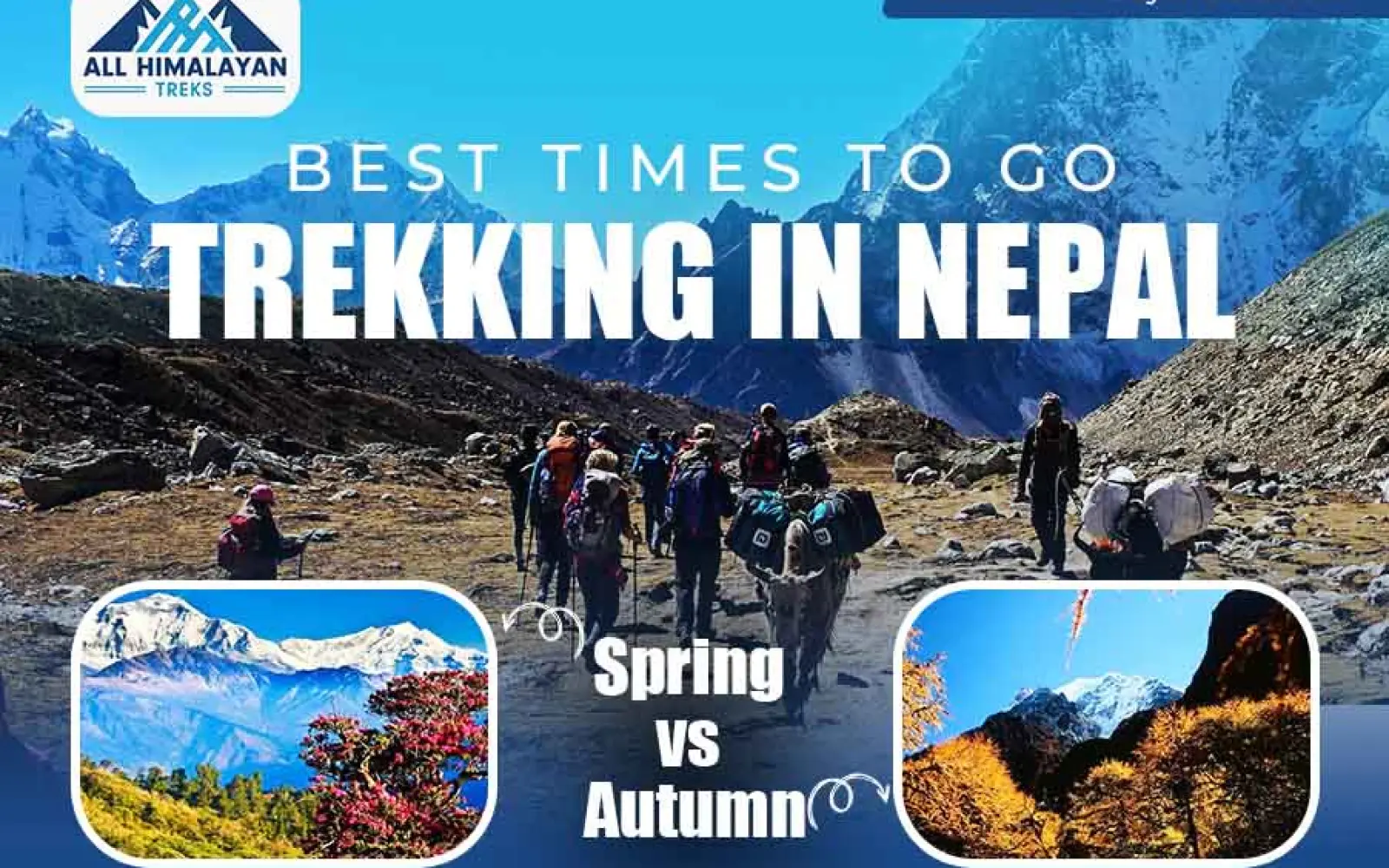
Ever seen folks who have been skiing out of their clothes and bought their ski gear at a sale? Well, the seasons in Nepal are just like that. Hiking fans are really lucky since Nepal is full of excellent trekking spots, some with stunning landscapes and practically unlimited adventures to be had. Moreover, depending on when you come, it is very necessary to wear the proper shoes. For example, it is very clear that nobody will go skiing with barefoot so on your way to Nepal you have to decide which season you want to visit. The main trekking seasons in Nepal are spring (March to May) and autumn (September to November). However, each of these seasons brings its own special experiences and adventures to the trekkers. In short, I suppose the response to your question is if you have enough love for trekking to this wonderful and beautiful place of Nepal.
Choosing your trekking season can make or break your trip. If you encounter rain or snow while trekking, the magnificent vistas you had hoped to see may be obscured by low-hanging clouds. However, if you select a season with dry weather and sunny skies, you will be able to enjoy many sights and experiences and make the most of your trek! Be like Goldilocks and find a trekking season that is just right for you!
In the springtime, the days will typically warm up while the nights get cool enough for you not to need winter clothing (except when you're on your way!). Fall has clear, crisp skies but can also have beautiful warm days (depending on where you live). Regardless of when you decide to go trekking, be prepared for unexpected weather conditions; this is especially true in the Himalayas!
The spring season in the Himalayas is like a grand opening spring following a long, cold winter. The melting of the snow and blooming of the flowers create a colourful and vibrant patchwork of life that attracts many different types of trekkers.
Spring temperatures can vary from pleasantly warm to a little chilly, so make sure you dress warmly at night. You can expect daytime highs of around 15-25°C (59-77°F) in the lowland areas but with much cooler air at the higher elevations. So, wear layers, and let's get out and enjoy the great outdoors!
Spring is a botanical Broadway show! The trails will be lined with rhododendrons, magnolias and wildflowers, all flowering in brightly coloured flowers. Birdwatchers will also enjoy this time of the year when birds from far away will be singing melodiously to each other as they return from their migration. This is also when many furry friends will be waking up from their long winter slumber.
Spring is more than just Mother Nature and is festival time. Holi, The Festival of Colours and Buddha Jayanti bring colourful celebrations to the valleys, making trekking and experiencing local culture in the spring even more enjoyable since you may get to participate in some of the many colourful surprises.
Autumn is the pinnacle of display in nature. Everything is clear and crispy & beautiful enough to take a picture of!
Autumn has a temperature range of 10-20 degrees Celsius (50-68 degrees Fahrenheit), which are perfect hiking weather conditions, so you can hike comfortably without breaking a sweat during the day. However, the nights can be a little cold, so be sure to bring your sleeping bag and thermal layers to keep you warm. Nobody wants to wake up in the mountains as a popsicle!
The autumn colours are Instagram-worthy! Due to the clear weather following monsoon season, the mountains along the way are clearer than ever, which means that every step you take in the direction of the mountain will give you perfect photographs. As the colours of the landscape change, there are fewer green trees and more trees that are shades of orange, red and yellow—autumn is truly beautiful!
After monsoons have passed, nature seems to have been completely cleaned. The trails have been cleared up and the streams are full of water. However, the trails could still be muddy along the way, so make sure that your hikes are short so that you can pull out your hiking gear while still being on dry land. After all, what would a good adventure be if you did not get muddy on it?
Once you know a little bit about how the weather changes depending on the time of year, it will have a great impact on your trekking experience.
Spring is generally milder than autumn (i.e., warmer during the daytime) but can be unpredictable (e.g., rain showers or late spring snow). On the other hand, autumn usually means lower weather variability and is usually associated with being drier and cooler than spring. There is beauty in both spring and autumn seasons, and both have beauty. What will be your preference, flowers of spring or beautiful fall leaves?
Altitude is your second pair of eyes on this trek. When you go up in altitude, temperature drops as elevation increases (like, "my nose feels frozen!" type of cold). Spring will likely have snow at higher elevations, whilst autumn may have less snow; therefore, the trails are usually clearer because of less precipitation than in spring. Expect to see the changes in your surroundings (i.e., the speed at which the weather will change…like a small child running around an open paint-can store, very quickly) as you reach high elevations in the Himalayas! Most Frequently Walked Spring versus Autumn Trails
In the spring months, Nepal's beautiful scenery comes to life with spring colours. Here are a few of the better spring trekking routes in Nepal.
The Annapurna Circuit (The Classic Trek Novice to Intermediate): This is a very popular route that will take you through stunning rhododendron forests that will be in full bloom, providing excellent vistas of the Annapurna mountain range.
Langtang Valley: This is not very frequently travelled by tourists to Nepal's lesser-known trekking routes with outstanding views of Langtang Lirung Peak and more blooming wildflowers.
Ghorepani Poon Hill: This route is a "quick fix" and will provide you with beautiful sunrises over the mountains and an explosion of colours from spring flowers. The Autumn Trekking Routes The autumn months will provide the most beautiful views and a clearer view of many of the trekking routes and peaks in Nepal. Here are some of the more popular routes for trekking in Nepal in the fall.
Everest Base Camp: Along with spectacular views of the world's tallest mountain, the view from the Base Camp is full of fall foliage too.
Manaslu Circuit: Highlighting the beauty of the fall of the area in terms of views, scenes, and colours, this is one of the most physically challenging treks.
Langtang Valley: Once again, for the photographer, there are extraordinary views from this area; to the photographer, this area will be most visually appealing in the fall due to the crisp, clear weather.
Nepal is a paradise for nature lovers, especially when it comes to wildlife and plants. Depending on the season, you can enjoy unique wildlife sightings and vibrant plant life throughout the country.
Spring in Nepal feels like a fresh start, with nature coming alive after winter. Wildlife becomes more active, making it a perfect time to explore.
The hills and forests are full of new flowers and budding plants, adding bright colors to your wildlife adventures.
Autumn is another great season for nature enthusiasts. The fall colors make trekking scenic, and cooler temperatures bring different wildlife out in the open.
Autumn also highlights the natural beauty of flowering plants and golden foliage, creating a vibrant backdrop for wildlife spotting.
Nepal’s seasonal diversity makes it a top destination for wildlife lovers. Whether it’s the active spring or the colorful autumn, you can enjoy amazing encounters with animals, birds, and plants throughout the year.
Spring Clothing: Layering clothes, waterproof jackets, and sunglasses (to reflect the sun’s rays off the snow) should all be included in your spring gear list. You might enjoy your adventure more if you use trekking poles to assist you while traversing.
Fall Attire: You'll need to bring enough clothing that keeps you warm in addition to a down coat, and you'll want to wear some kind of comfortable footwear for your walk. A hat should also be included in your packing list. You’ll want to plan to pack some sort of snack so you will not run out of energy.
Safety Precautions and Considerations: Although it certainly is nice to walk through a beautiful scene, it's important to keep safety as a top priority:
Altitude Illness: No matter what part of the year you are hiking, it is important to acclimatise to your new altitude. Watch for the symptoms of altitude illness, and do not hesitate to move to lower elevations if you feel sick.
Weather Conditions: Spring and fall can both be rainy seasons, but typically spring is wetter than fall. Please check the weather before your trip and be prepared for sudden changes in weather.
Guided Tours: When considering travelling in a new country, it is always a good idea to hire a guide who knows their area well, has knowledge of the culture and is a person who likes to tell stories.
First, it really depends on what you're looking for in a trek. For example, if you want to see lots of flowers and have a fun, social atmosphere, spring is probably the best time for you to go. On the other hand, if you'd prefer clear weather and cooler temperatures, autumn may be right up your alley.
Ultimately, both seasons have something great to offer – so why not try trekking in both seasons if possible? If you're faced with the decision to go this year in spring or autumn, remember that spring has the most beautiful flowers, while autumn has the most beautiful foliage! Either way, no matter when you go trekking, you will remember those and then enjoy drinking out of twelve cups of hot tea! So keep that in mind when you're deciding which to choose! And remember, the breath taking scenery and cultural diversity of Nepal's trekker trails will stay with you forever, and you will build many unforgettable memories to last you a lifetime!!! Happy trekking!!


