
From Mountains to Culture: ?Why Annapurna Base Camp Trek Should Be Your Next Adventure in Nepal
20 Jun 2024

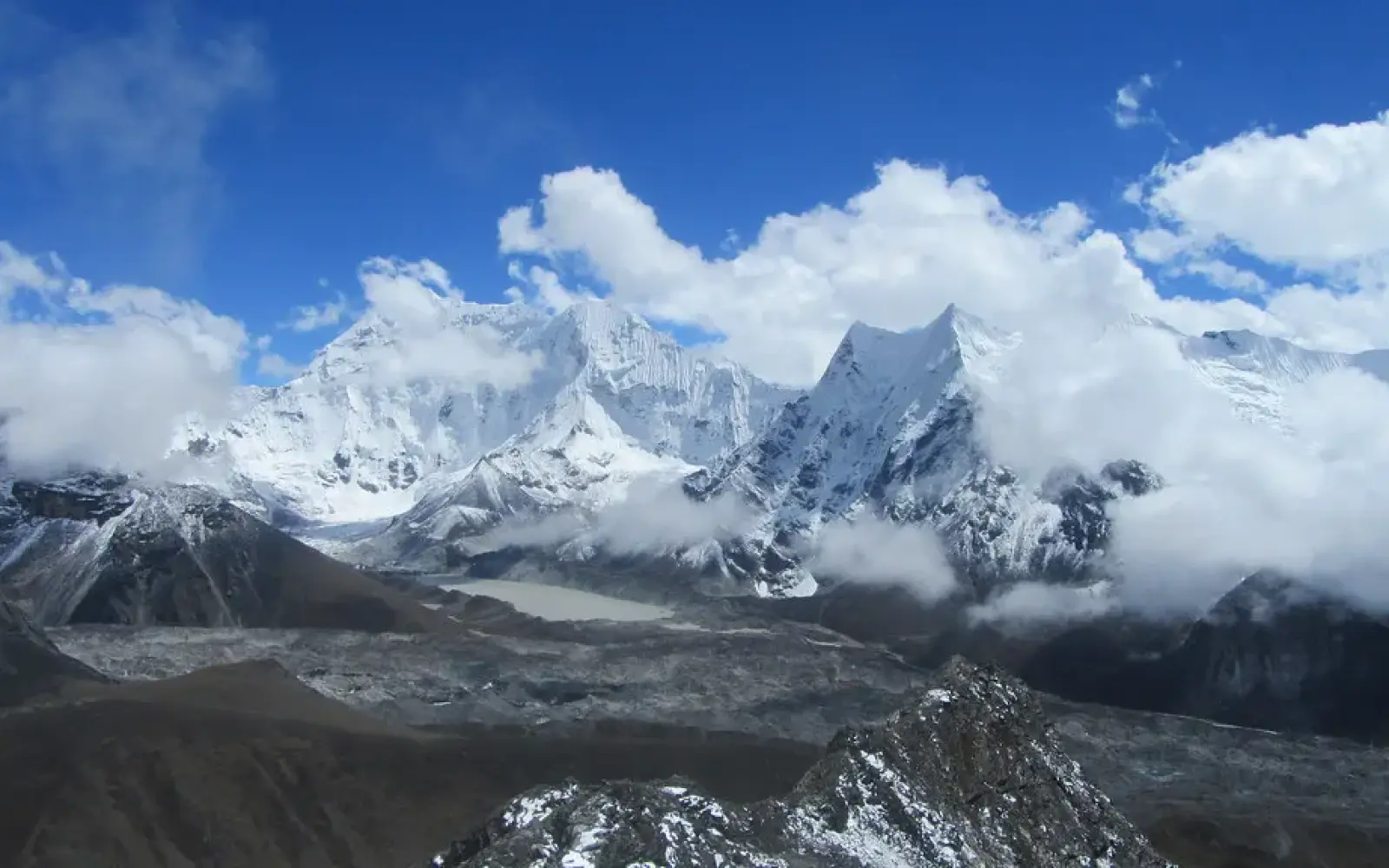
The Everest Three High Passes Trek with a climb of Island Peak (Imja Tse) is one of the most challenging and rewarding Nepal adventures. The trekkers pass three passes over 5300 meters, Kongma La, Cho La, and Renjo La, and the summit of a 6,189-meter peak in the Himalayas in a single journey. It is necessary to select the appropriate time of the year and be prepared in order to have a successful trip. This is the guide that describes when, what, and how to see in every season, provides some useful tips about the altitude, equipment, permits, journeys, and security of all levels of experience trekkers.
There are four seasons of trekking in the Himalaya of Nepal, namely Spring, Summer (Monsoon), Autumn, and Winter, which have different impacts on weather conditions, trail conditions, the number of people on the trail, and likelihood of reaching the summit. The following is a season-by-season plan of the Three Passes Trek and Island Peak Climb.
In summary, here are brief observations of each season plus its advantages and disadvantages of our Three Passes and Island Peak adventure:
Spring (Mar-May):
Pros: The weather is usually steady, the temperatures are moderate, the landscape is blooming, and fewer people are present as compared to autumn, and the chances of summit success are high.
Cons: Bad weather may occur during the early spring, a bit of haze in the end of the season, cold nights, leftover snow on passes at the beginning of the season.
All the seasons can be accomplished with the appropriate preparation, yet spring and autumn are by far the most comfortable and favored moments to this trek and climb combination. The reason many trekking companies do not take this itinerary during the monsoon or deep winter is that it is not taken by many companies on the request of a private group who are fully aware of the risks involved.
The extreme altitude is one of the most serious challenges in the expedition of Three Passes and Island Peak. Trekkers habitually sleep over 5,000m and the Island Peak is 6,189m. It is necessary to go through proper acclimatization so as to prevent the occurrence of the altitude sickness and to successfully complete the trek.
High Points on the Route: The Three Passes have elevations of over 5,300m each: Kongma La (approximately 5,550m), Cho La (approximately 5,420m), and Renjo La (approximately 5,360m). These are elevations which are above Everest Base camp and a little above Mount Kilimanjaro. The height of the Island Peak is 6,189m, which is close to major climbing peaks. They are short of breath, the heart rate increases, the person feels tired and uninterested in eating at such altitudes. These effects can then be handled in advance before they progress to Acute Mountain Sickness (AMS) or even beyond.
Listen to Your Body: Mild AMS is characterized by a headache, dizziness, loss of appetite, and poor sleep. They can be treated by rest, hydration and with prescription acetazolamide (Diamox). Extreme symptoms that include confusion, vomiting, breathlessness at rest or lack of coordination necessitate immediate descent. Once above 3,000 meters, the recommended increase in sleeping altitude should not exceed 300 to 500 meters per day, not including acclimatization hikes. The Three Passes trail is inherently alternating up and down, which contributes to the net elevation gain moderation.
Hydration and Nutrition: At elevated altitudes, dehydration occurs more rapidly. Take 3-4 liters of water or tea per day and consume high carbohydrate energy giving foods. Sherpa items such as dal bhat, noodle soups and potatoes give the required calories. Snack a lot often to sustain energy levels, though the appetite is low.
Passes: The physical exertion of the passes is strenuous. Early mornings will be used to prevent the afternoons storms and melting snow. Slow down on the sharp climbs and carry trekking poles to take off the pressure on the knees and keep time. The highest and least used is the Kongma La, the steepest one with small glacier run is Cho La, and the longest with a minor slope is Renjo La. Following every passage through, you need to take a breather by finding easy days or shorter walks.
Island Peak: The majority of climbs occur without supplemental oxygen: The long duration of the trek provides natural and effective acclimatization. The day of the summit is a pre- dawn start involving climbing on ice and snow and thin air. Light fatigue or headache is no reason to worry; severe symptoms of AMS need a turnaround. Always observe the necessary respect to the altitude and give preference to safety and not to summit aspiration. Island Peak is often considered training on higher peaks by many climbers, therefore, it should be taken just as seriously in terms of acclimatization.
Bottom Line: It is fair to say that most trekkers are capable of successfully completing the Three Passes Trek and Island Peak with proper planning, gradual ascent and included rest days. The expedition is usually 18-21+ days in duration to enable adequate acclimatization. A well-structured itinerary and patience can help beginners, and even trained climbers should acknowledge that the body needs some time to adapt. One of the most effective safety measures in this high-altitude adventure is proper acclimatization.
The Three Passes trekking and Island Peak climbing require a few permits and proper planning. Here’s what to know:
Required Permits:
Always bring along all permits because the authorities might inspect them at Monjo, Namche or a few other locations. It is advisable to be prepared without any permit because it may end up fined.
Although it is possible to trek through the Everest region by yourself, climbing Island Peak necessitates the use of a licensed guide. You are not permitted to climb Island Peak without a licensed climbing guide., you must either join a guided group or employ a certified guide and support staff to assist in the climbing part. A large number of trekkers also employ the services of a guide during the entire trip as a form of security, familiarity, and ease.
Guides: A trained guide becomes familiar with the way, particularly on the more unusual routes, such as Kongma La, contacts teahouses, offers cultural expertise, and also helps in emergencies. Guides on Island peak use ropes and cross glacier crevasses. Most of them are climbing Sherpas who are used in higher mountains. Average price is 25-35 per day and an 18-21 day trip is about 500-700 dollars. Hiring a guide via an established agency will give the guide a license, insurance and experience.
Recruiting local guide and porter would also be advantageous to the community and provide a safer and more enjoyable trek. Always ensure that guides and porters are well equipped and you have travel insurance that includes any emergency involving them.
Trekking the Three Passes or climbing Island Peak requires great caution. You will have to deal with distant terrain, elevation, cold weather and erratic weather. A successful expedition is based on careful planning, awareness and preparation.
Self-Education about Altitude Sickness: Any person can suffer Acute Mountain Sickness (AMS) without being unfit. Monitor headaches, nausea, dizziness, loss of appetite or sleeping problems. Always keep to the rules of climbing high, sleeping low, in other words, do vigorous ascents to the higher level and descend to the lower level to sleep.
The rest days are to be light and not complete rest. As a prescription drug, Diamox (acetazolamide) can prevent AMS. One should avoid alcohol and sleeping pills, which may aggravate acclimatization. Severe AMS or complications such as HAPE (fluid in the lungs) or HACE (fluid in the brain) need an immediate descent. Never ignore early symptoms.
Emergency Preparedness: Have a well kept first aid kit and be knowledgeable on first aid. Talk about the emergency plans with your guide, how to contact him or her in case of evacuation by helicopters and which aid stations exist e.g. at Pheriche and Machermo.
The travel insurance should include high-altitude trekking and helicopter rescue because the expenses of the evacuation are extremely high. In the case of independent trekkers, it would be advisable to carry a satellite phone or a GPS tracker because there is poor cell phone coverage in remote locations.
Weather and Terrain: This should be initiated at the beginning of a long day or summit attempt, to avoid afternoon storms and unstable snow. The mornings are generally clear with afternoons occasionally having some clouds, snow or wind. In case the conditions do not seem safe, delay your climb. Keep a map or GPS with you and watch the cairns in the trail.
On glaciers and moraines, be careful of your footing, loose rocks and scree augment the possibility of slipping or falling. Avalanches are rare in the region but can occur after heavy snowfall. Local guides offer very important advice on safety.
Cold and Frostbite Protection: Wear in layers and use warm gloves, hats, and face protection. The boots must be tight fitting but not constraining to allow circulation. Wiggle fingers and toes often on peak nights or long frosty days, to avoid being frostbitten. High altitude can also result in sunburn and frostbite, therefore use sunscreen on the part of the body that is exposed and lip balm with SPF.
Hydration and Nutrition: At high altitude, dehydration occurs rapidly. Bring enough water, at least 2 liters a day, and filter or boil local water. Insulated bottles or hydration bladders that are kept near the body are not frozen on cold days. Consume low-calorie, high-energy snacks all day, e.g., nuts, chocolate, dried fruit, or energy bars, to keep strong and energetic.
Buddy System and Communication: Be aware of any early signs of altitude sickness, fatigue, or injury in each other. Individuals who go alone should highly consider joining other people. Accidents can be avoided through frequent visits to fellow trekkers or guides. Post your day-to-day trail or path with a guide or a lodging proprietor or any partner in the team particularly during off-season or in remote places so somebody might check in case you fail to reach planned destinations.
Technical Safety on Island Peak: Take the advice of your guide to heart. They should use ropes, ladders and ascenders properly. Crevasses may need to be crossed using ladders and fixed ropes in the headwall should be clipped adequately. Rope spans should be used by one person at a time to ensure that anchors are not overloaded. Rappel slowly as you descend or downclimb on safety lines- there are many accidents on the descent as a result of fatigue. Have a strict turnaround time (typically 9–10 AM) and go down in case of not reaching the summit.
Remote Terrain and Rescue: Parts of the trek, such as the peak of Kongma La or Renjo La, are remote. During emergencies, you might be required to self rescue to a safer place to be evacuated by helicopters. Always have a whistle (3 blows mean distress) and a simple repair kit, with duct tapes, multitool and spare laces. Even the few equipment breakdowns in remote localities turn critical.
Cultural and Ethical Safety: Show respect to local customs and traditions. Request people to be photographed, wear modest clothes in villages and monasteries, and carry away all rubbish. Use toilets which are available and avoid polluting water sources. Eco-friendly trekking preserves the environment and guarantees future sustainability of adventure tourism by the community.
These safety measures can make your trek or climb on the Three Passes and Island Peak most likely to be safe, rewarding and memorable by maximizing your chances of having a safe, rewarding and memorable experience in the mountains with experienced guides or by yourself.
During recent years, the Everest Three Passes Trek and Island Peak Climb have been changed in the following ways:
When hiking, you may get to hear choppers as a reminder of the effects of tourism and of emergency evacuations. Even with these developments, you are on the same paths that Tenzing Norgay and Edmund Hillary used in the 1950s. Meet locals and see monasteries such as Tengboche, Thame and Pangboche to expand on the experience besides the physical confrontation.
In summary, Three Passes Trek including Island Peak is still rewarding to fit and prepared trekkers. The mildest seasons are spring and autumn, and more careful off-season treks can be done. The correct preparation, equipment, and attention to the altitude guarantee the safe and memorable trip.
It is an adventure that will challenge you in numerous aspects- stamina, flexibility, and persistence but it will also make memories that you will cherish throughout your life. On the one hand, you will be making memories (and capturing photos) that are literally of this world as you stand on the high passes and look at four of the six tallest peaks in the world, and on the other, you will be doing the same at the summit of Island Peak at sunrise.
Select your season carefully using the knowledge above, train and plan and go into the journey with an open mind. Taking one more step along the trail between Lukla and the peak and back, you will be able to count on becoming part of the small group of those who have actually experienced life fully in the Himalayas.


The Annapurna Base Camp (ABC) Trek is one of Nepal's most iconic trekking routes, attracting adventurers from around the globe. With its breathtaking...
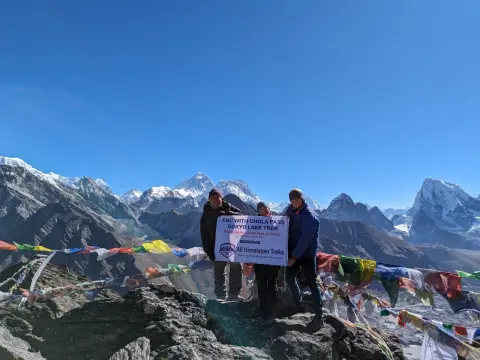
15 Days Everest Base Camp Chola Pass Gokyo Trek: Cost, Itinerary & Best Time Explained (2026/27/28 Guide)The Everest Base Camp via Cho-La Pa...


