 5.0 of 433 reviews
 5.0 of 309 reviews 5.0 of 433 reviews 5.0 of 309 reviews
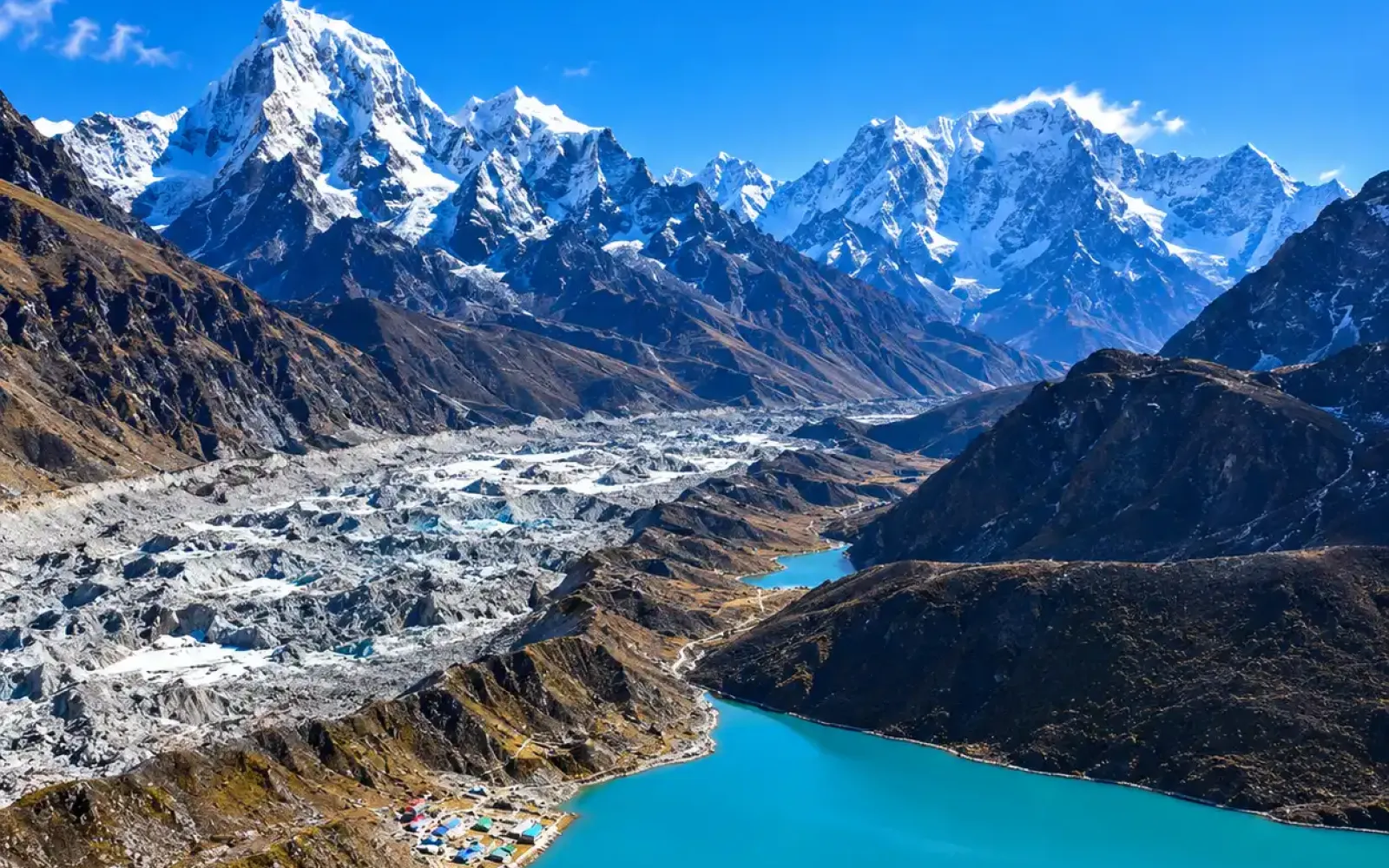
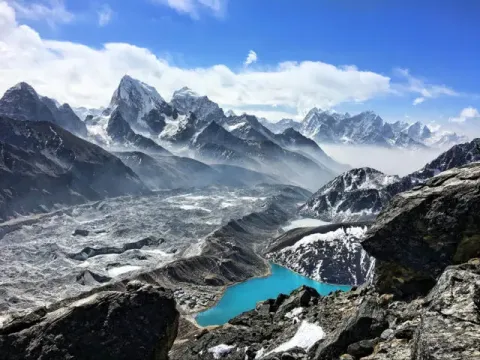
The Gokyo Lake walk and the Everest Base Camp trek are two different treks in the Khumbu region of Nepal, although they can be combined into a longer and more varied trek. The fundamental distinction for trekkers comparing famous trekking routes in Nepal is simple: the standard Everest Base Camp route is about reaching Base Camp and Kala Patthar while the Gokyo route includes turquoise lakes, glacier grandeur and high pass experience. This combined version is commonly known as the Everest Base Camp trek with Gokyo Lake, the Everest Base Camp Gokyo Lake trek or the Gokyo Lake Everest Base Camp trek.

No, Gokyo Lake trek is not a part of the regular Everest Base Camp journey. It is a different trail in the Everest region but can be joined with the Everest Base Camp trail, most often by crossing Cho La Pass and connecting the main Base Camp trail near Lobuche. According to Nepal Tourism Board, the Gokyo can be visited straight or after the journey to Everest Base Camp. Information about Gokyo Valley states that the Cho La is the most travelled pass that connects the Gokyo side to the Khumbu valley near Lobuche.
That link is why hikers will often see the same trip names used in different ways. One business may market it as the Everest Base Camp trek via Gokyo Lake, while another may name it the Everest Base Camp Gokyo Lake trek and another may use the phrase Gokyo Lake Everest Base Camp trek. They are mostly referring to a lengthier itinerary that encompasses Gokyo Valley, Cho La Pass, Everest Base Camp, and often Kala Patthar into one circuit-style expedition.
It isn’t the name that matters, it’s the intricacies of the path. A proper combination trek include the Gokyo Lakes area, a crossing or connection to the main EBC trail and sufficient acclimatisation time for safe altitude adjustment. If the schedule only states ‘Gokyo view’ and doesn’t include a night in the valley or a day of crossing across towards Lobuche, then it might not be the whole connected trek that many travellers envision.
Both treks are located in the Everest region, which is known for its stunning valleys, Sherpa towns, monasteries, glaciers, and high Himalayan overlooks. Sagarmatha National Park is a UNESCO World Heritage Site and is the location for sceneries in the Everest area and for Gokyo-related wetlands. Gokyo Lake, at a high altitude, was declared a Ramsar site in 2007, according to UNESCO.
The standard Everest Base Camp route normally passes through Namche Bazaar, Tengboche, Dingboche, Lobuche and Gorak Shep before visiting Everest Base Camp and Kala Patthar. The path continues from Namche into the Imja Khola valley, with mountain views of Thamserku, Kangtega, Ama Dablam, Lhotse and Everest, before the final push from Gorak Shep to Base Camp, according to the Nepal Tourism Board.
The Gokyo path takes a separate valley to the Gokyo Lakes and the viewpoint of Gokyo Ri. The sweeping vistas of Gokyo are praised by the Nepal Tourism Board, with Cho Oyu looming in the north and other notable summits across Everest and Lhotse to Makalu.
It’s not an automatic relationship, it’s a question of geography and logistics.” These are neighbouring treks and the combined version allows you sample both instead of having to choose just one.
For many travellers, the Everest Base Camp walk including Gokyo Lake is appealing because of its diversity. The classic EBC route delivers the emotional satisfaction of arriving at one of the world’s most famous hiking locations. From the Gokyo side you get more of a tranquil valley vibe, lake vistas, glacier crossings and wider high mountain views.
This adds to the combined trek's appeal, especially for those looking for more than a point to point objective. A Himalayan trek is not generally about achieving a destination; it is about the changing landscape from one day to the next. The Gokyo link takes you from forested lower valleys to high villages, from monastery overlooks to moraine fields and from lake basins to a dramatic pass crossing.
A combined route may suit you if you want:
That said, more is not always better for every trekker. The Gokyo Lake link might be tough due to the extra distance, altitude and pass conditions. If you have limited time or just want the easier option, then the normal Everest Base Camp journey may be a more realistic option.
The Everest Base Camp Trek via Gokyo Lake normally joins the Gokyo Valley to the main EBC trail via Cho La Pass and then proceeds to Lobuche, Gorak Shep, Everest Base Camp and Kala Patthar. Itineraries can also be reversed, with Base Camp visited first and a crossing to Gokyo afterwards. The Nepal Tourism Board’s Gokyo Valley page lists Cho La as the most common pass used to travel between Gokyo and the Khumbu valley near Lobuche.
A broad route flow may look like this:
This outline is intentionally general because operators design the trek in different directions and lengths. Some build in extra acclimatization days, some include rest or contingency time around the pass, and some add nearby side trips. When comparing itineraries, look beyond the trip name and check how many days are allocated above Namche, where rest days are placed, and whether there is flexibility for weather or trail conditions.

The normal Everest Base Camp trip is already in high altitude. Generally adding Gokyo Lake makes the trip more difficult as it is longer, more secluded in places and more affected by high pass conditions. Cho La can be snow, ice, rock, steep land and early starts depending on the season and weather, therefore should not be a casual diversion.
But that's half of it. The other half is the physical challenge. Altitude management is equally important.” A well-paced route allows your body to acclimatise, minimises daily elevation gains when possible and avoids rushing from lower villages to higher sleeping places. Trekkers should be prepared to hike several hours on several days while judiciously carrying or handling day gear, layering clothing, hydration and personal energy.
Before you decide to go on a Gokyo Lake Everest Base Camp trek, consider yourself:
If the honest answer to several of these is "not yet," consider building up with shorter trekking trips in the Himalayas or first picking a less complex schedule in the Everest region. Adventure trekking in Nepal is a reward of preparedness. It also penalises impatience, especially when you consider the altitude and the weather.
These trails cross through protected and locally controlled areas, therefore trekkers should check the permit requirements before they travel. Nepal Tourism Board says that entry permits are needed for Nepal’s protected areas and includes Sagarmatha National Park among the parks with an entry fee. Nepal Tourism Board’s trekking information says that trekking in protected regions needs the applicable entry permission.
This is one area where travellers should defer on current government sources or a trustworthy local operator rather than outdated blog entries as regulations and local procedures can change. Check requirements for Sagarmatha National Park, local municipality entrance processes, guide rules, insurance and emergency support before you book flights or commit to dates.
Responsible trekking is not just paperwork. Stay on marked paths, don’t litter, respect local customs, use teahouse resources wisely and don’t expect too much in the more distant villages. The Everest region is already heavily trekked and every visitor either adds to the burden or preserves it.
The classic Everest Base Camp trip is ideal for trekkers wanting a more direct and structured way to reach Base Camp and Kala Patthar. It is still a great experience with beautiful scenery, Sherpa culture, monastery tours, and spectacular Himalayan walking. This is the cleaner, more manageable option for trekkers new to high altitude and short on time.
The combined Everest Base Camp trip with Gokyo Lake is preferable for the trekkers who have more days, stronger fitness and desire for a bigger route. This is perfect if you desire lakes, glaciers, multiple perspectives and the joy of linking two famous hiking pathways. It works well for those travellers who prefer the idea of a semi-circuit over just retracing the same track.
Think of the decision this way:
There is no universal “best” route. The best route is the one that matches your time, fitness, trekking background, risk tolerance, and reason for going.
A successful connected trek starts before you arrive in the mountains. The route is not overly technical in the way a climbing expedition is, but it still takes place in a serious high-altitude environment. Good planning gives you more room to enjoy the journey instead of constantly reacting to problems.
Use this checklist when reviewing your options:
These steps do not remove all uncertainty, and that is part of Himalayan travel. They do, however, make the difference between a route that feels adventurous and one that feels poorly controlled.
The Gokyo Lake hike is much more than an addendum to Everest Base Camp. In itself, it is a key trek in the Everest region with its own landscape, its own rhythm and its own rewards. Add in the Base Camp trail, and you have one of the most remarkable treks in the Himalayas, a trail that combines famous places with quieter valleys and more of a sense of adventure.
If you are deciding between trekking tours in the Himalayas, the key is to grasp what the link genuinely means. The Everest Base Camp walk via Gokyo Lake is a longer and more difficult trek than the conventional trek, but for the appropriate trekker that extra effort is just what makes it remarkable. Plan well, analyze the specifics behind the trip names, and choose the version of adventure trekking in Nepal that meets both your goal and your preparation.

Our travel experts are ready to assist you with any questions.
Send us a message.Have a question before you book? Send your enquiry below and our travel experts will get back with the required information.