 5.0 of 433 reviews
  5.0 of 309 reviews 5.0 of 433 reviews 5.0 of 309 reviews
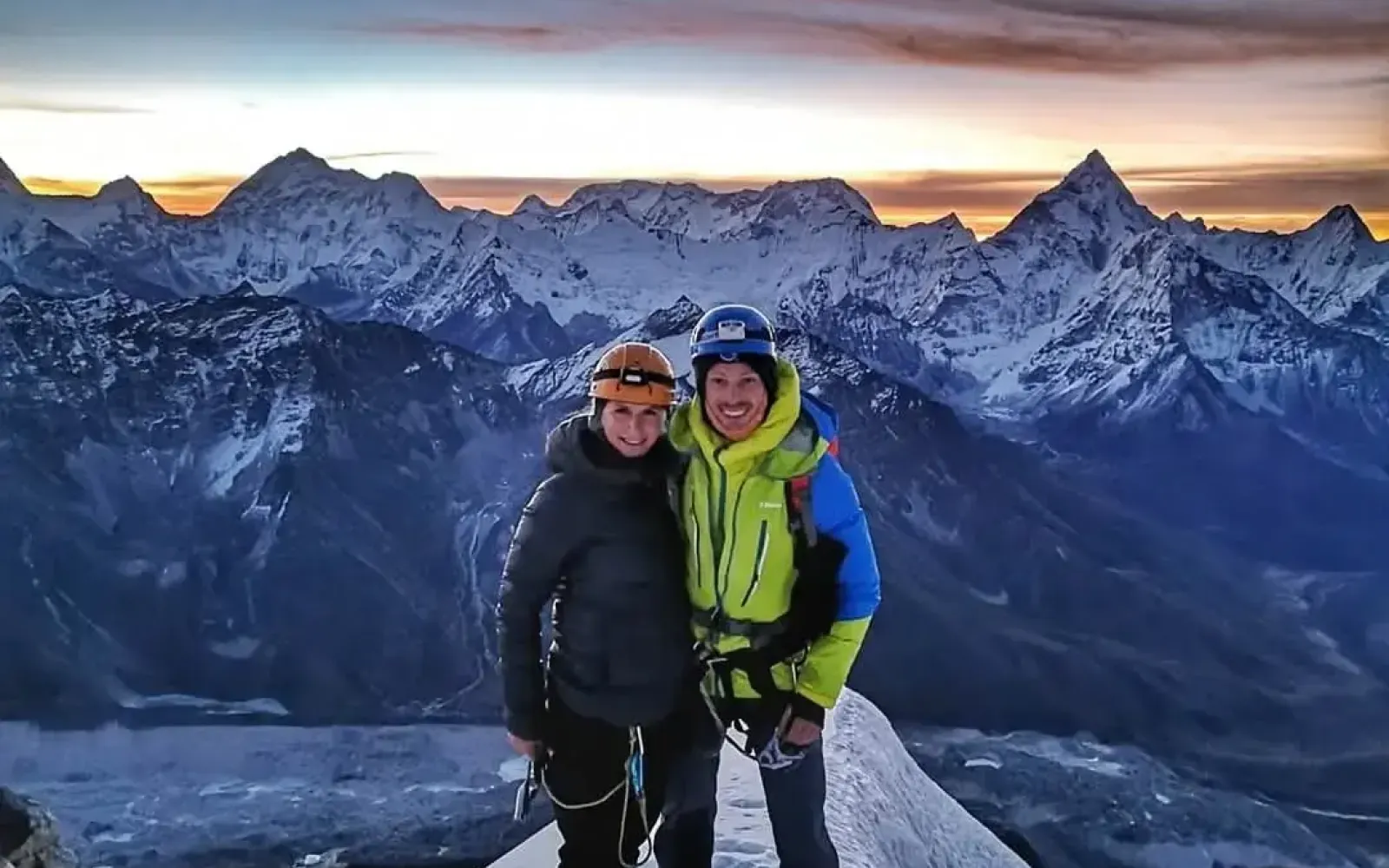
Few adventures in the world of trekking can match the sheer ambition of combining the Everest Three Passes Trek with a summit of Island Peak. This itinerary takes you across three Himalayan passes each standing above 5,300 metres, loops around the world's highest concentration of eight-thousanders, visits Everest Base Camp, and culminates on the summit of a genuine Himalayan peak at 6,189 metres. It is not a casual undertaking but for those who are ready, it is profoundly life-changing.
This guide covers everything you need to plan your 2026 expedition: a realistic cost breakdown, an honest difficulty assessment, permit requirements, and the practical tips that separate a successful summit from a costly retreat.
The Everest Three Passes Trek is widely considered the most complete high-altitude trekking experience in the Khumbu region of Nepal. Rather than simply walking to Everest Base Camp and returning the same way, this route forms a grand loop through the entire Sagarmatha National Park by crossing three legendary Himalayan passes.
Together, these three passes form a circuit that touches every major corner of the Khumbu: the Imja Valley, the Gokyo Lakes system, the Thame Valley, and the iconic approach to Everest Base Camp.
Island Peak, known locally as Imja Tse, stands at 6,189 metres above sea level. It was named by the 1952 British Reconnaissance Expedition, which observed it rising like an island from a sea of glacial ice when viewed from the Dingboche valley. It is classified as a trekking peak by the Nepal Mountaineering Association, which means it is accessible to fit, non-professional climbers with the right preparation and a qualified guide.
The reason this combination works so beautifully is acclimatization. After three weeks of sleeping above 4,000 metres, crossing passes above 5,300 metres, and spending a night at Kala Patthar above 5,500 metres, your body is as well-prepared for a 6,000-metre summit as it will ever be without a formal expedition. Trekkers who attempt Island Peak in isolation, arriving from Kathmandu and rushing to the peak within ten days, face a far higher risk of altitude sickness and failure. The Three Passes route builds the perfect physiological foundation.
Costs depend heavily on whether you book a full guided package through an agency or arrange components independently. The figures below reflect a mid-range guided experience for a solo traveller in 2026.
This is a Grade 5 Strenuous/Technical itinerary. It is not suitable for first-time trekkers, those without prior high-altitude experience, or anyone who has not spent meaningful time training in the months before departure.
You will spend seven or more nights above 5,000 metres. You will carry a 6-8 kg daypack for up to nine hours daily on pass days. You will climb a 70-degree ice headwall at 6,000 metres in sub-zero darkness. The combined distance exceeds 180 kilometres over terrain that is rocky, glaciated, steep, and occasionally exposed.
That said, this route is completed every year by hundreds of trekkers who are not professional mountaineers. The key ingredients are: prior high-altitude experience (at least one trek above 4,500 m), a genuine aerobic fitness base built over six months of training, a willingness to acclimatize properly and not rush, and a qualified, experienced guide.
Acute Mountain Sickness remains the primary reason trekkers fail to complete this route. Know the symptoms of persistent headache, nausea, loss of appetite, dizziness, and confusion. If symptoms worsen at any altitude, descend immediately. No summit, no view, no pride is worth your life.
You need three separate permits for this itinerary, all processed in Kathmandu before you fly to Lukla:
The Island Peak and Everest Three Passes Trek is not a trip you stumble into. It demands preparation, investment, respect for the mountains, and a genuine love for being tested at altitude. But for those who commit to it fully, it delivers experiences that no other trek on earth quite replicates the frozen silence of a pre-dawn summit climb, the emerald gleam of Gokyo Lakes from a 5,360-metre crest, the surreal drama of Everest Base Camp in spring, and the moment you plant your feet on a 6,000-metre summit and watch the Himalayan giants glow orange in the morning light.
Whether Island Peak is calling you or you are still exploring your options, All Himalayan Treks offers fully customised itineraries across the entire Nepal Himalaya from the Annapurna Circuit and Langtang Valley to remote expeditions in Dolpo and Mustang. Every itinerary is crafted by local trekking experts with deep knowledge of the terrain, seasons, and logistics.

Our travel experts are ready to assist you with any questions.
Send us a message.Have a question before you book? Send your enquiry below and our travel experts will get back with the required information.