[{"name":"Everest Base Camp Trek","duration":"14","image_url":"https:\/\/www.allhimalayantreks.com\/storage\/trip-galleries\/1\/thumb_4b830d92fadc4c68b1e8886a7f879cad.webp","offer_price":1175,"url":"https:\/\/www.allhimalayantreks.com\/trips\/everest-base-camp-trek"},{"name":"Everest View Trek","duration":"9","image_url":"https:\/\/www.allhimalayantreks.com\/storage\/trip-galleries\/2\/thumb_67e3b64f28bb7fe46efd5edb0b8c0b70.webp","offer_price":890,"url":"https:\/\/www.allhimalayantreks.com\/trips\/everest-view-trek"},{"name":"Gokyo Ri Trek 10 days","duration":"10","image_url":"https:\/\/www.allhimalayantreks.com\/storage\/trip-galleries\/3\/thumb_c01977bc670aa835677d6b342e96aa95.webp","offer_price":1270,"url":"https:\/\/www.allhimalayantreks.com\/trips\/gokyo-ri-trek-10-days"},{"name":"Everest Three High Passes Trekking","duration":"19","image_url":"https:\/\/www.allhimalayantreks.com\/storage\/trip-galleries\/4\/thumb_645753d8eb778459a249b833ad39d851.webp","offer_price":1345,"url":"https:\/\/www.allhimalayantreks.com\/trips\/everest-three-high-passes-trekking"},{"name":"Annapurna Base Camp Trek","duration":"13","image_url":"https:\/\/www.allhimalayantreks.com\/storage\/trip-galleries\/5\/thumb_6865009674c652efacaf63d8cd75b24a.webp","offer_price":null,"url":"https:\/\/www.allhimalayantreks.com\/trips\/annapurna-base-camp-trek"},{"name":"Shortest Annapurna Circuit Trek","duration":"8","image_url":"https:\/\/www.allhimalayantreks.com\/storage\/trip-galleries\/6\/thumb_243c641a084eceb4ad69d2a4ad117ddb.webp","offer_price":null,"url":"https:\/\/www.allhimalayantreks.com\/trips\/shortest-annapurna-circuit-trek"},{"name":"Ghorepani Poon Hill Trek","duration":"6","image_url":"https:\/\/www.allhimalayantreks.com\/storage\/trip-galleries\/7\/thumb_ae0a5575ae2aeb7fa252856838d767f5.webp","offer_price":null,"url":"https:\/\/www.allhimalayantreks.com\/trips\/ghorepani-poon-hill-trek"},{"name":"Short ABC Trek with Poonhill","duration":"8","image_url":"https:\/\/www.allhimalayantreks.com\/storage\/trip-galleries\/8\/thumb_1231dedce915315838f8166f2e7632d1.webp","offer_price":650,"url":"https:\/\/www.allhimalayantreks.com\/trips\/short-abc-trek-with-poonhill"},{"name":"Langtang Valley Trek","duration":"10","image_url":"https:\/\/www.allhimalayantreks.com\/storage\/trip-galleries\/9\/thumb_5b4b4f05909fa8803d54ac84285cb555.webp","offer_price":null,"url":"https:\/\/www.allhimalayantreks.com\/trips\/langtang-valley-trek"},{"name":"Gosaikunda Lake Trek","duration":"8","image_url":"https:\/\/www.allhimalayantreks.com\/storage\/trip-galleries\/10\/thumb_028fc663f9fbe10c00d50d32adec4f7a.webp","offer_price":null,"url":"https:\/\/www.allhimalayantreks.com\/trips\/gosaikunda-lake-trek"},{"name":"Tamang Heritage Trail Trek","duration":"9","image_url":"https:\/\/www.allhimalayantreks.com\/storage\/trip-galleries\/11\/thumb_6c65a803a51e2b6c7058e0f1b685c203.webp","offer_price":null,"url":"https:\/\/www.allhimalayantreks.com\/trips\/tamang-heritage-trail-trek"},{"name":"Chisapani Nagarkot Hiking","duration":"3","image_url":"https:\/\/www.allhimalayantreks.com\/storage\/trip-galleries\/12\/thumb_60702804e5e4d0cc20a4bad23d7dc26c.webp","offer_price":null,"url":"https:\/\/www.allhimalayantreks.com\/trips\/chisapani-nagarkot-hiking"},{"name":"Upper Mustang Trek","duration":"18","image_url":"https:\/\/www.allhimalayantreks.com\/storage\/trip-galleries\/13\/thumb_d8eafc1e7014ee7dbf094bb2940c8e65.webp","offer_price":null,"url":"https:\/\/www.allhimalayantreks.com\/trips\/upper-mustang-trek"},{"name":"Ghorepani Poon Hiil Trek 3 Day","duration":"3","image_url":"https:\/\/www.allhimalayantreks.com\/storage\/trip-galleries\/14\/thumb_43f06d89b77e3ea214feed95fa46f9ce.webp","offer_price":null,"url":"https:\/\/www.allhimalayantreks.com\/trips\/ghorepani-poon-hiil-trek-3-day"},{"name":"Mardi Himal Trek","duration":"11","image_url":"https:\/\/www.allhimalayantreks.com\/storage\/trip-galleries\/15\/thumb_21da47928d20b1bf1c9ad39053bdd206.webp","offer_price":null,"url":"https:\/\/www.allhimalayantreks.com\/trips\/mardi-himal-trek"},{"name":"Khopra Danda Trek","duration":"14","image_url":"https:\/\/www.allhimalayantreks.com\/storage\/trip-galleries\/16\/thumb_92510475d8e41fe478925b698ca56a42.webp","offer_price":null,"url":"https:\/\/www.allhimalayantreks.com\/trips\/khopra-danda-trek"},{"name":"Jomsom Muktinath Trek","duration":"14","image_url":"https:\/\/www.allhimalayantreks.com\/storage\/trip-galleries\/17\/thumb_56e53ea08cb1b2ac7ad9cba96a70d978.webp","offer_price":null,"url":"https:\/\/www.allhimalayantreks.com\/trips\/jomsom-muktinath-trek"},{"name":"Ghandruk Annapurna Base Camp Trek","duration":"11","image_url":"https:\/\/www.allhimalayantreks.com\/storage\/trip-galleries\/18\/thumb_4246b4fa65718115dd319fc8453a479c.webp","offer_price":null,"url":"https:\/\/www.allhimalayantreks.com\/trips\/ghandruk-annapurna-base-camp-trek"},{"name":"Annapurna Circuit and Tilicho Lake Trek","duration":"14","image_url":"https:\/\/www.allhimalayantreks.com\/storage\/trip-galleries\/19\/thumb_dc159ee957f5e36f5fdffbd9b4d06153.webp","offer_price":null,"url":"https:\/\/www.allhimalayantreks.com\/trips\/annapurna-circuit-and-tilicho-lake-trek"},{"name":"Nepal Highlights Tour","duration":"11","image_url":"https:\/\/www.allhimalayantreks.com\/storage\/trip-galleries\/20\/thumb_952827d82900df6efb1be910dd0afc89.webp","offer_price":null,"url":"https:\/\/www.allhimalayantreks.com\/trips\/nepal-highlights-tour"},{"name":"Kathmandu Day Tour","duration":"1","image_url":"https:\/\/www.allhimalayantreks.com\/storage\/trip-galleries\/21\/thumb_11c8afb0ea7a71120dfa33b2f8761594.webp","offer_price":null,"url":"https:\/\/www.allhimalayantreks.com\/trips\/kathmandu-day-tour"},{"name":"Everest Three Passes Trek","duration":"18","image_url":"https:\/\/www.allhimalayantreks.com\/storage\/trip-galleries\/22\/thumb_b476a7a1748c3c1e3388187378933117.webp","offer_price":1550,"url":"https:\/\/www.allhimalayantreks.com\/trips\/everest-three-passes-trek"},{"name":"Everest Base Camp Trek via Gokyo Lake","duration":"15","image_url":"https:\/\/www.allhimalayantreks.com\/storage\/trip-galleries\/23\/thumb_48bb9309731b048a759065415ef8f147.webp","offer_price":1300,"url":"https:\/\/www.allhimalayantreks.com\/trips\/everest-base-camp-trek-via-gokyo-lake"},{"name":"Island Peak With Everest 3 Passes Trek","duration":"18 Days","image_url":"https:\/\/www.allhimalayantreks.com\/storage\/trip-galleries\/24\/thumb_87846e8876b369f0d323d5ab80146c91.webp","offer_price":null,"url":"https:\/\/www.allhimalayantreks.com\/trips\/island-peak-with-everest-3-passes-trek"},{"name":"Everest Base Camp Trek with Helicopter Return","duration":"11","image_url":"https:\/\/www.allhimalayantreks.com\/storage\/trip-galleries\/25\/thumb_fbce85abd32cf0f79fd155cd3add0319.webp","offer_price":null,"url":"https:\/\/www.allhimalayantreks.com\/trips\/everest-base-camp-trek-with-helicopter-return"},{"name":"Budget Everest Base Camp Trek","duration":"12","image_url":"https:\/\/www.allhimalayantreks.com\/storage\/trip-galleries\/26\/thumb_75a42fe11a3fc3abe0dca6df0336226f.webp","offer_price":null,"url":"https:\/\/www.allhimalayantreks.com\/trips\/budget-everest-base-camp-trek"},{"name":"Luxury Everest Base Camp Trek","duration":"14","image_url":"https:\/\/www.allhimalayantreks.com\/storage\/trip-galleries\/27\/thumb_ba33e53afbf8b97e6432fdd2c5130080.webp","offer_price":2400,"url":"https:\/\/www.allhimalayantreks.com\/trips\/luxury-everest-base-camp-trek"},{"name":"Annapurna Circuit Trek","duration":"14","image_url":"https:\/\/www.allhimalayantreks.com\/storage\/trip-galleries\/28\/thumb_6112d98996d78143360b19694d37593a.webp","offer_price":null,"url":"https:\/\/www.allhimalayantreks.com\/trips\/annapurna-circuit-trek"},{"name":"Manaslu Circuit Trek","duration":"14","image_url":"https:\/\/www.allhimalayantreks.com\/storage\/trip-galleries\/29\/thumb_8fe7115b4d0c0b8ecd6789d93b6d19aa.webp","offer_price":900,"url":"https:\/\/www.allhimalayantreks.com\/trips\/manaslu-circuit-trek"},{"name":"Short Annapurna Base Camp Trek","duration":"5","image_url":"https:\/\/www.allhimalayantreks.com\/storage\/trip-galleries\/30\/thumb_95b4ea62ad155b06e0b1b7d2a0e1edbb.webp","offer_price":null,"url":"https:\/\/www.allhimalayantreks.com\/trips\/short-annapurna-base-camp-trek"}]
Tucked away just a few dozen kilometers north of Kathmandu lies one of the Himalayas’ best-kept secrets. Known for its sweeping glaciers, rugged landscapes, and warm hospitality, Langtang Nepal offers a deeply rewarding adventure for anyone willing to lace up their hiking boots.
Unlike the bustling trails of the Everest or Annapurna regions, the journey into the Langtang region provides a tranquil, intimate experience with nature and local communities. Whether you are a seasoned trekker or a beginner looking to experience the magic of the Himalayas, understanding the logistics, culture, and terrain of this region is essential.
Here is everything you need to know before you go to langtang village and its surrounding valleys.
The Magic of the Valley: A Geographical Wonder
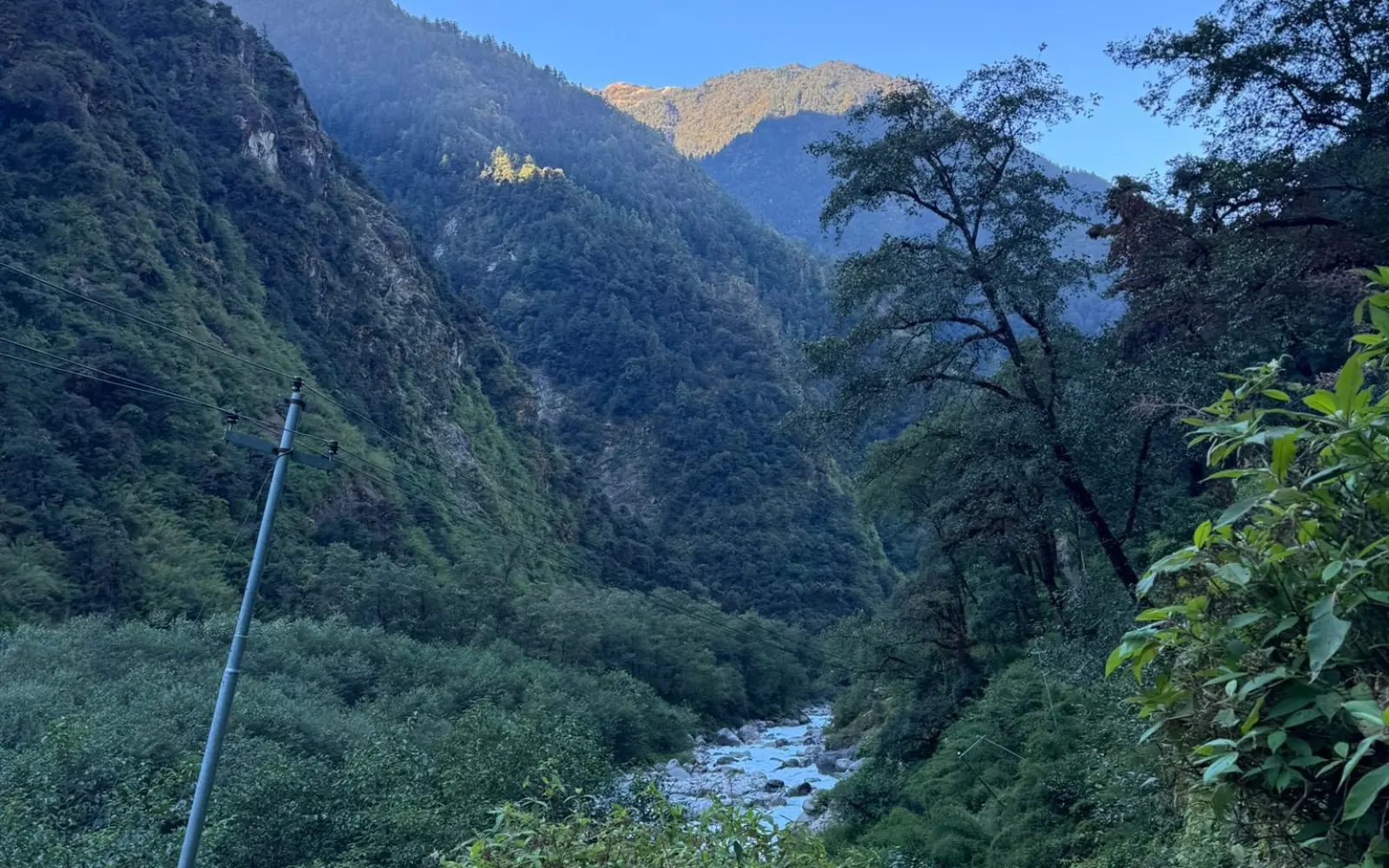
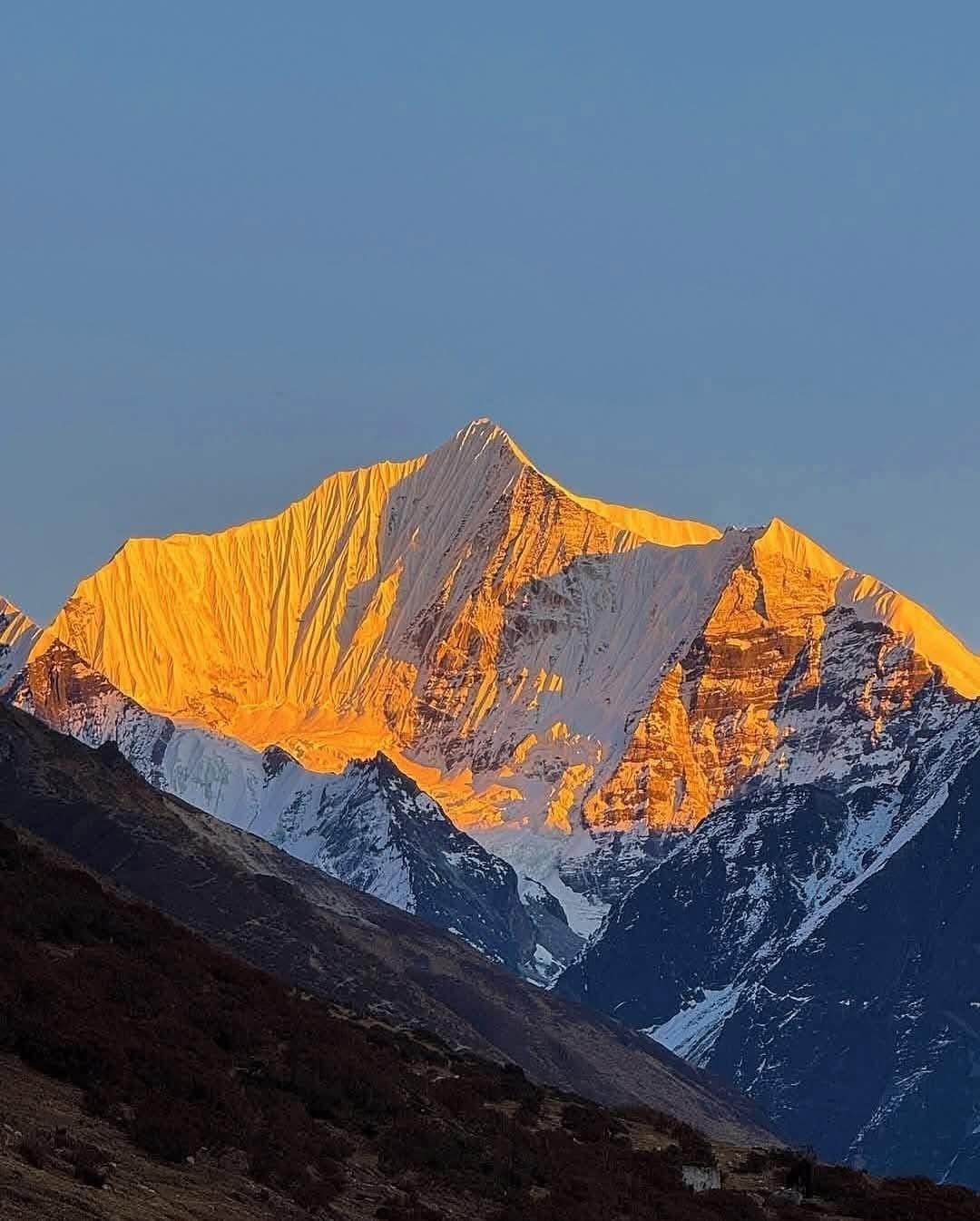
As you hike along the Langtang River, you will immediately notice the dramatic landscape. The region owes its stunning topography to a massive Himalayan glacial valley formation, which carved out deep gorges, steep U-shaped valleys, and towering moraines over thousands of years. Often referred to as the "Valley of Glaciers," the area is flanked by majestic peaks like Langtang Lirung (7,227m), dominating the skyline and offering trekkers unparalleled mountain vistas from day one.
How to Reach Langtang and Begin Your Journey
Before you can marvel at the mountains, you need to know exactly how to reach Langtang. Because the region does not have an airstrip for commercial flights, your journey will begin with a scenic, albeit bumpy, overland drive.
The starting point for most treks in this region is the bustling riverside town of Syabrubesi. You can take a public bus or hire a private jeep from Kathmandu. The drive takes anywhere from 7 to 9 hours, winding through terraced hillsides, rural farming communities, and deep river gorges.
Upon arriving, many travelers recommend hiring experienced local guides in Syabrubesi. Not only does a local guide ensure you navigate the trails safely, but they also act as a cultural bridge, enriching your interactions with the locals you will meet along the way.
Crafting Your Langtang Valley Trek Route
The Langtang Valley Trek is renowned for its accessibility and moderate difficulty. When planning your trip, you will find that the average duration of a Langtang valley trek ranges from 7 to 9 days, depending on your pace and the side trips you choose to take.
A Classic Itinerary
A standard trekking itinerary from Syabrubesi to Kyanjin Gompa typically follows this route:
Day 1: Drive from Kathmandu to Syabrubesi (1,550m).
Day 2: Trek from Syabrubesi to Lama Hotel (2,380m) through dense oak and rhododendron forests.
Day 3: Trek from Lama Hotel to Langtang Village (3,430m), passing prayer wheels and yak pastures.
Day 4: Trek from Langtang Village to Kyanjin Gompa (3,870m).
Day 5: Acclimatization and exploration day in Kyanjin Gompa.
Day 6-7: Retrace your steps back down to Syabrubesi.
Day 8: Drive back to Kathmandu.
If you are looking for a longer, more challenging expedition, you can combine routes by trekking from Gosaikunda to the Langtang valley. This expanded route takes you past sacred alpine lakes and over the Laurebina Pass, adding about a week to your overall journey.
Permits and Regulations
Navigating Nepalese trekking bureaucracy is simpler than it seems, but you must arrange your Langtang trekking permits before hitting the trail.
You will need two main documents:
TIMS Card (Trekkers' Information Management System): Required for all trekkers in Nepal to ensure safety and trackability.
Langtang National Park entry permits and fees: Since the entire trek falls within protected park boundaries, you must pay an entry fee. As of recent updates, the fee is approximately 3,000 NPR (about $25 USD) for international tourists, while SAARC nationals pay a reduced rate.
These permits can be obtained at the Nepal Tourism Board in Kathmandu or at the park entrance in Dhunche.
Weather and the Best Time to Trek
Choosing the right season will make or break your Himalayan experience. The best time to visit Langtang—and generally the best time for trekking in Rasuwa district—is during the Spring (March to May) and Autumn (September to November).
Spring: The weather is mild, and the forests come alive with blooming red and pink rhododendrons.
Autumn: Expect crisp, clear skies, offering the sharpest and most reliable mountain views of the year.
Winter treks (December to February) are possible but involve freezing temperatures and the risk of snow blocking high-altitude passes. Summer (June to August) brings the monsoon, meaning slippery trails, leeches, and obscured mountain views.
Culture, Community, and Things to Do in Langtang
The Langtang region is just as much a cultural destination as it is a natural one. The area is predominantly inhabited by people of Tibetan descent, and the rich Tamang culture is deeply woven into the fabric of the valley.
If you are looking for things to do in Langtang beyond walking, consider these highlights:
Explore Kyanjin Gompa: This small monastery is the spiritual heart of the upper valley. Take time to spin the prayer wheels and absorb the peaceful atmosphere.
Cheese Tasting: A must-do activity is taking a local yak cheese factory tour in Kyanjin. Established in the 1950s with Swiss assistance, this factory produces delicious, rich yak cheese. Buying a block to snack on during your descent is highly recommended!
Cultural Immersion: For those deeply interested in local traditions, adding a few days to experience the Tamang heritage trail cultural experiences is a fantastic idea. This off-the-beaten-path side trek allows you to stay in authentic homestays, witness traditional shamanic rituals, and learn about the indigenous Tamang way of life.
The Rebirth of a Resilient Village
It is impossible to talk about this region without acknowledging its recent history. During the devastating earthquake of April 2015, a massive avalanche triggered by the tremor completely buried the original Langtang Village, resulting in a tragic loss of life.
However, the resilience of the local people has been nothing short of extraordinary. The reconstruction of settlements after the 2015 earthquake has led to a newly built Langtang Village, situated slightly further up the valley in a safer location. Today, colorful modern teahouses, bakeries, and comfortable lodges stand ready to welcome visitors.
By choosing to trek here, you are directly supporting sustainable tourism initiatives in rural Nepal. Every dollar spent on accommodation, meals, and local guides funnels directly into the local economy, helping families rebuild their lives and maintain their ancestral home.
Langtang vs Other Popular Treks
Many trekkers find themselves weighing the Langtang vs Annapurna Base Camp trek. While both offer phenomenal views, they cater to different preferences:
Crowds: Annapurna Base Camp (ABC) is highly trafficked. Langtang is significantly quieter, offering a more solitary and peaceful trekking experience.
Accessibility: Langtang is a shorter drive from Kathmandu, whereas ABC requires traveling to Pokhara first.
Terrain: Langtang is a narrower, steeper gorge that opens up into a wide alpine valley, while ABC is an amphitheater of towering peaks. Langtang is generally considered slightly less strenuous, making it an excellent introductory high-altitude trek.
Essential Preparation and Safety
While Langtang is accessible, it still requires proper preparation.
What to Pack
When putting together your packing list for Nepal tea house treks, prioritize layers. You will not need camping gear, as teahouses provide beds and blankets, but you should bring:
A high-quality, four-season sleeping bag (teahouse rooms are unheated).
Thermal base layers, a fleece jacket, and a down jacket.
Waterproof trekking boots (broken in).
Water purification tablets or a filter bottle.
A basic first-aid kit and trekking poles.
Managing Altitude
As you ascend toward Kyanjin Gompa, you will cross the 3,500-meter mark, where the air gets noticeably thinner. Keep these altitude sickness prevention tips for high elevation in mind:
Walk high, sleep low: Take acclimatization hikes during your rest days.
Stay hydrated: Drink at least 3 to 4 liters of water daily.
Do not rush: Walk at a slow, steady pace ("bistari, bistari" as the locals say).
Listen to your body: If you experience severe headaches, nausea, or dizziness, descend immediately.
The Ultimate Reward
If you acclimatize well, the ultimate physical challenge and visual reward of the trek awaits above Kyanjin Gompa. Embark on a challenging early morning hike to Tserko Ri (4,984m). The steep climb is demanding, but the panoramic, 360-degree scenic views from Tserko Ri summit are legendary. Standing at almost 5,000 meters, you will be surrounded by a frozen sea of peaks, including Langtang Lirung, Kinshung, and Yansa Tsenji, glowing under the early morning sun.
Conclusion
Trekking through Langtang is an experience that lingers in your soul long after you have returned home. It offers a perfect blend of breathtaking Himalayan scenery, accessible trails, and rich cultural immersion. More importantly, visiting this valley is a chance to witness the indomitable spirit of a community that has rebuilt itself from the ground up. Prepare properly, respect the altitude and the local customs, and get ready for an unforgettable adventure in one of Nepal’s most beautiful valleys.