 5.0 of 433 reviews
  5.0 of 309 reviews 5.0 of 433 reviews 5.0 of 309 reviews
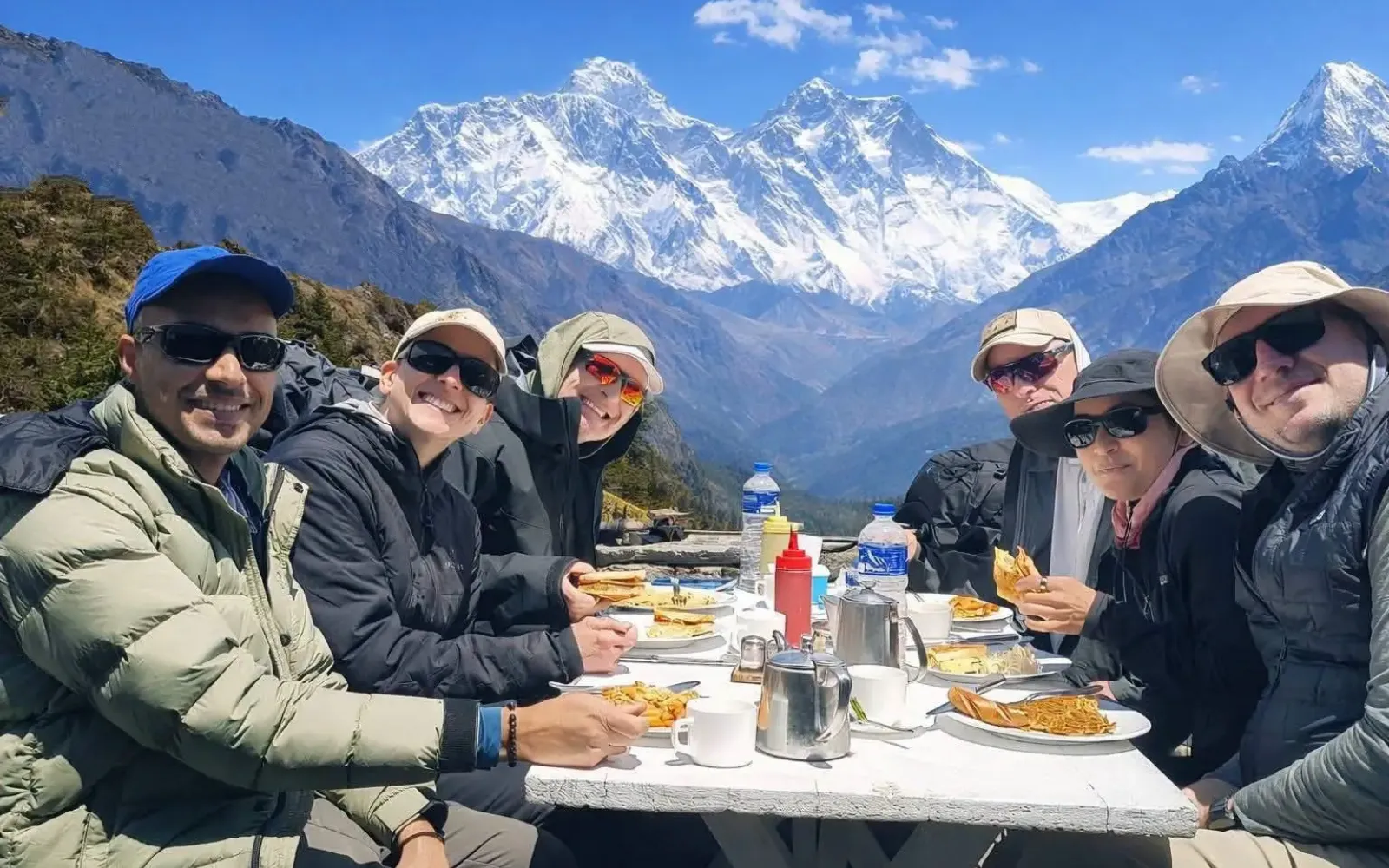
A luxury Everest Base Camp trek takes the classic Khumbu journey and makes it more comfortable, better supported, and easier to enjoy without removing the adventure. You still walk through Sherpa villages, high valleys, monasteries, and glacier country toward Everest Base Camp, but the experience is shaped around better lodges where available, thoughtful pacing, warm hospitality, and smoother logistics. For travelers who want the power of the Himalayas with a higher level of care, this style of trekking can be the difference between simply enduring the route and fully absorbing it.
A luxury Everest Base Camp trek is different because it upgrades the journey around the trek itself: accommodation, meals, guiding, acclimatization planning, transfers, support staff, and sometimes the return route. The trail remains physically demanding, but the overall experience is more refined, with greater attention to rest, comfort, safety, and personal service.
The classic route to Everest Base Camp commonly begins with a flight to Lukla, then continues through Phakding, Namche Bazaar, Tengboche, Dingboche, Lobuche, Gorak Shep, and the base camp area before returning through the Khumbu. Nepal Tourism Board describes key stops such as Namche, Tengboche, Dingboche, Lobuche, Gorak Shep, and Everest Base Camp as part of the established trekking journey.
On a standard trek, the focus is usually on reaching each overnight stop with basic teahouse facilities. On an Everest Base Camp luxury lodge trek, the focus expands. You are still there for the mountains, but you also get more comfortable rooms where possible, better dining arrangements, experienced guides, help managing mountain pace, and a more polished travel flow from Kathmandu to the trail and back.
That matters because the Everest region is not a place where luxury means excess. It means warmth after a cold day, a well-managed itinerary, a knowledgeable team, fewer avoidable hassles, and enough comfort to help you sleep, recover, and keep your attention on the landscape.

Everest Base Camp is one of the world’s most recognized trekking goals, not only because of the mountain, but because of the route that leads there. Sagarmatha National Park, home to Mount Everest, is a UNESCO World Heritage Site, recognized for its dramatic high mountain landscapes, glaciers, valleys, and cultural setting.
The best part of an Everest Base Camp luxury trek is that it allows you to experience this landscape with more breathing room. You walk beneath peaks that have shaped mountaineering history, pass prayer wheels and mani walls, and enter villages where Sherpa culture is part of everyday life. At the same time, your trip is designed to reduce friction: fewer worries about logistics, better assistance on the trail, and a more considered rhythm.
For many travelers, this is not about avoiding discomfort entirely. The altitude, cold mornings, long walking days, and thin air are still real. Luxury EBC trek experiences simply recognize that comfort supports performance. When your body rests better and your guide manages the pace carefully, you have more energy to appreciate the small details: the smell of juniper smoke, the view from Namche, the quiet around Tengboche, or the first sight of the Khumbu Glacier.
A good Everest Base Camp trek luxury experience never turns the Himalayas into a soft holiday. Instead, it respects the conditions while improving the parts that can reasonably be improved. The trek is still remote, high, and weather-dependent. Facilities become more limited as you climb higher, especially beyond the larger villages.
In the lower and mid sections of the route, luxury lodges may offer warmer rooms, attached bathrooms in select places, better bedding, heated dining areas, and more varied meals. Higher on the trail, even premium arrangements become simpler because supplies must move through difficult terrain. A reliable operator will explain this clearly rather than promising city-hotel standards at every altitude.
This is why “luxury” in the Khumbu should be understood as mountain luxury. It is not about marble bathrooms or endless amenities. It is about the best available comfort in context, paired with strong guiding, careful acclimatization, and dependable support.
Useful comfort upgrades may include:
A luxury Everest Base Camp trek with helicopter return is ideal for travelers who want to complete the walk to base camp but prefer a faster, more scenic, and less repetitive journey back. Instead of trekking all the way down through the same villages, you may fly back from the upper Khumbu or a suitable helipad, depending on weather, itinerary, and operational conditions.
This option is popular because the return walk can feel physically demanding after reaching the main objective. A helicopter return can save time, reduce strain on tired knees, and offer a dramatic aerial perspective over valleys, ridges, and glaciers. It also suits travelers with limited vacation days who still want the essential Everest Base Camp experience.
However, it should be planned responsibly. Helicopter flights in the Himalayas depend on weather, visibility, aircraft availability, and safety decisions made on the day. A luxury everest base camp trek with helicopter return should always include realistic backup plans, not a rigid promise that ignores mountain conditions.
The biggest benefit is balance. You earn the journey on foot, experience the villages and high trail properly, then return in a way that feels memorable rather than repetitive. For some travelers, this creates the best luxury Everest Base Camp trek because it combines effort, comfort, scenery, and time efficiency.

Most Everest Base Camp luxury trekking itineraries follow the well-known route through the Khumbu, with acclimatization days built in around Namche Bazaar and often Dingboche. The Nepal Tourism Board notes Namche as a major village on the route and describes the progression toward Tengboche, Dingboche, Lobuche, Gorak Shep, and Everest Base Camp.
A common flow may look like this:
This outline can vary, and it should. The best itineraries leave room for weather, acclimatization, and individual pace.
The Everest Base Camp luxury lodge trek is often chosen by travelers who want a more comfortable sleep and a warmer welcome after long walking days. In the Khumbu, hospitality is part of the experience. Dining rooms become social spaces, tea becomes a daily ritual, and lodge owners often play a quiet but important role in how the trek feels.
Everest Base Camp luxury lodge trekking does not mean every night is equally luxurious. Lower-altitude villages generally have more options, while higher settlements are more basic because everything is harder to build, heat, and supply. This is especially true near Gorak Shep, one of the last overnight stops before base camp, where conditions are naturally more limited.
A realistic luxury itinerary should explain where premium lodges are available and where the experience becomes simpler. That honesty helps travelers pack correctly, set expectations, and appreciate the comfort that is available rather than feel disappointed by what the mountains cannot provide.
An Everest Base Camp luxury trek is still challenging because luxury does not remove altitude, distance, cold, or repeated walking days. The support is better, but you still need preparation, patience, and the ability to walk for several hours on uneven mountain trails.
The route gradually climbs from the lower Khumbu to high settlements such as Dingboche, Lobuche, and Gorak Shep before the final approach to base camp. Nepal’s official tourism information places Gorak Shep above 5,000 meters on typical itineraries, which helps show why acclimatization and pacing are central to the experience.
You do not need to be an elite athlete, but you should train seriously. Hiking, stair climbing, steady cardio, and leg strength all help. Even more important is learning to move slowly. At altitude, the strongest trekker is not always the fastest; it is the one who can maintain a steady rhythm, eat well, hydrate, communicate symptoms early, and respect the guide’s advice.
Before booking, consider whether you are ready for:
Luxury improves recovery and organization, but mindset carries you through the high days.
Luxury Everest Base Camp trek cost can vary widely because packages include different levels of service. The total price may depend on lodge category, hotel standard in Kathmandu, private versus group guiding, domestic flights, porter arrangements, helicopter return, meals, permits, gear support, and contingency planning.
A lower-priced trek may cover the essentials but leave more decisions and extras to you. A premium Everest Base Camp luxury trek may include more seamless handling: better city hotels, upgraded lodges where available, experienced guides, private transfers, porter service, selected meals, and helicopter return options. The important question is not only “What does it cost?” but “What is actually included?”
When comparing packages, look closely at:
The best value is rarely the cheapest offer. It is the package that explains the journey honestly, supports you well, and avoids vague promises.
The best luxury Everest Base Camp trek is the one that matches your travel style, fitness, schedule, and comfort expectations. Some travelers want maximum lodge comfort. Others care most about private guiding, photography time, cultural depth, or a helicopter return. A well-designed trip should feel personal rather than generic.
Start by checking whether the itinerary gives you enough time. A rushed schedule can make even a premium trek feel stressful. Acclimatization days are not filler; they are part of the experience and part of responsible altitude travel. If an itinerary looks impressively short, ask what has been removed and whether that trade-off is wise.
Also consider the operator’s communication style. Do they explain limitations clearly? Do they discuss altitude honestly? Do they tell you which nights are truly upgraded and which are basic? In remote mountain travel, transparency is a luxury feature.
A strong booking decision usually comes down to these priorities:
Contact All Himalayan Treks today to discuss your luxury Everest Base Camp trek and create an itinerary that is designed around you.
Even on an Everest Base Camp trek luxury itinerary, preparation matters. Good boots, layered clothing, sun protection, gloves, a warm hat, and a comfortable daypack all shape your daily experience. The more prepared you are, the more you can enjoy the upgraded parts of the journey.
Training should begin well before departure. Build endurance with long walks or hikes, add hill work where possible, and practice carrying your daypack. Strength work for legs and core can help on descents, which many trekkers find harder than climbs.
Packing should be practical rather than excessive. Luxury trekking does not mean bringing everything. It means bringing the right things and relying on a well-organized support system for the rest.
Helpful preparation steps include:
The appeal of an Everest Base Camp luxury lodge trek is not just the endpoint. It is the way the journey unfolds. You have time to pause in villages, notice the architecture, listen to your guide’s stories, and watch the mountains change color from morning to evening.
Everest Base Camp luxury trekking is especially rewarding for travelers who want both achievement and atmosphere. You still feel the effort in your legs and lungs. You still earn the view step by step. But each evening, the experience is softened by better care, warmer spaces, and a team that understands how to make the trail feel manageable.
That combination is powerful. The Himalayas remain vast and humbling, while the service around you creates confidence. You are not separated from the mountain environment; you are supported within it.
A luxury Everest Base Camp trek is for travelers who want the legendary Everest Base Camp journey with more comfort, better logistics, and a higher level of personal support. Whether you choose an Everest Base Camp luxury lodge trek, a fully guided luxury EBC trek, or a luxury Everest Base Camp trek with helicopter return, the goal is the same: to experience the Khumbu deeply without unnecessary stress.
The right trek will be honest about conditions, careful with acclimatization, clear about cost, and thoughtful in every detail. Choose well, prepare properly, and the journey to Everest Base Camp can feel both adventurous and beautifully refined.

Our travel experts are ready to assist you with any questions.
Send us a message.Have a question before you book? Send your enquiry below and our travel experts will get back with the required information.