
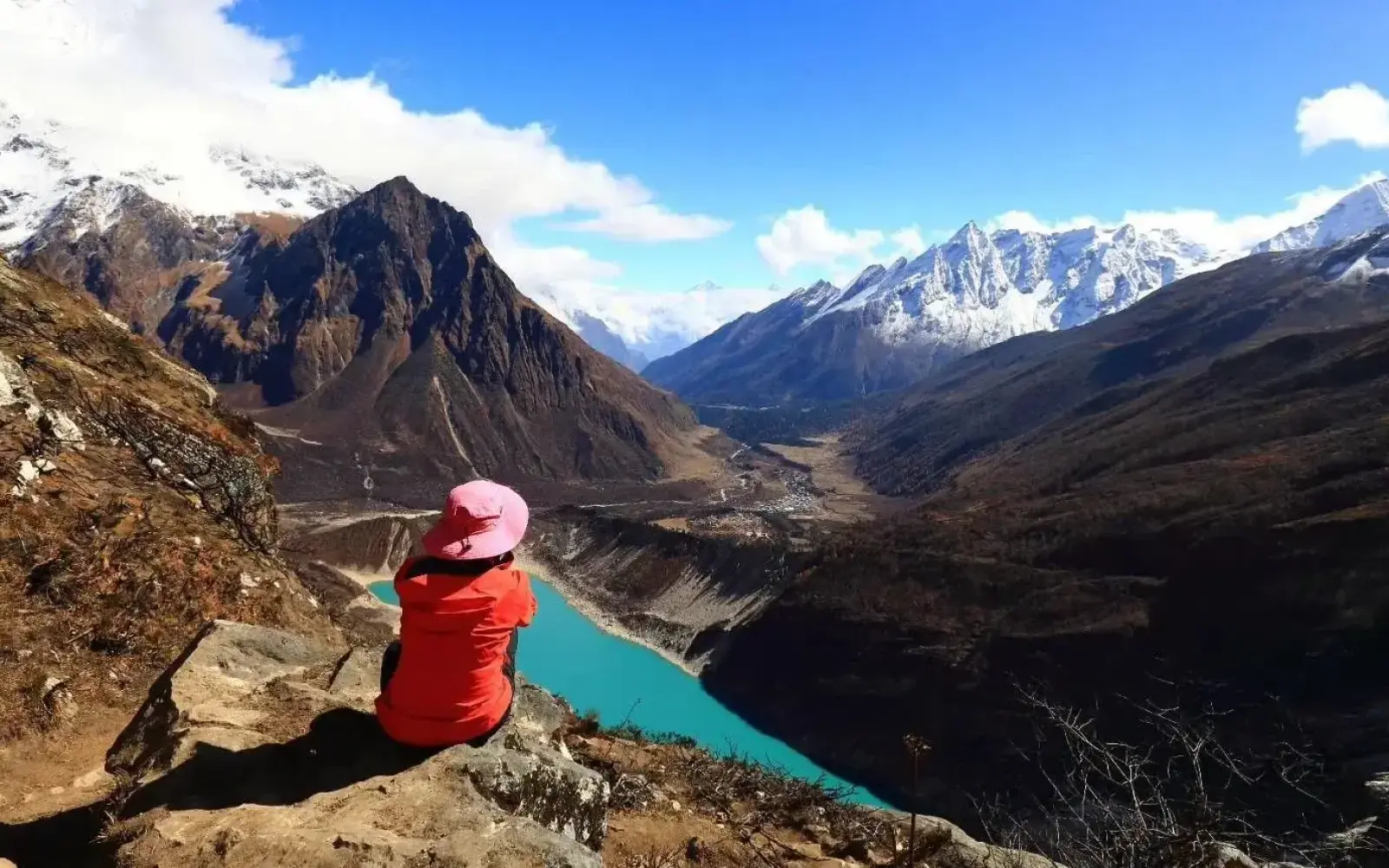
The Manaslu Circuit Trek is a hidden gem in Nepal. It offers a unique trekking experience. This trek is perfect for those seeking adventure and solitude. Located in the Gorkha District, it is less crowded than other popular treks. The trek provides stunning views of Mount Manaslu, the world's eighth highest peak. The journey typically takes 14-18 days. It covers diverse landscapes, from lush forests to alpine meadows. Trekkers will also experience the rich culture of Tibetan villages. A special permit is required for this trek. Trekkers must be accompanied by a licensed guide. This ensures safety and enhances the trekking experience.
The highest point is the Larkya La Pass at 5,106 meters. Proper acclimatization is crucial to avoid altitude sickness. The trek is moderately difficult, requiring good physical fitness. Accommodation is mainly in teahouses along the route. These provide basic amenities and a chance to connect with locals.
The Manaslu Circuit Trek stands out for its raw beauty and tranquility. This trek circles Mount Manaslu, an imposing giant. Adventurers get to explore a pristine region of the Himalayas.
Located in the Gorkha District, it offers breathtaking vistas. Trekking here is an opportunity to witness stunning natural diversity. From terraced fields to snow-capped peaks, the landscapes are ever-changing.
Trekkers immerse themselves in the local culture along the way. Traditional Tibetan communities welcome visitors warmly. It's a culturally enriching experience that leaves a lasting impression.
The trek's starting point is the village of Soti Khola. It ends in Besisahar, a town with convenient transport links. The journey encompasses a wide variety of terrain and cultural zones.
Why do trekkers choose the Manaslu Circuit? It's less commercialized, providing a more intimate experience. Those seeking adventure and authentic encounters find it fulfilling.
The Manaslu Circuit Trek offers an unmatched sense of solitude and serenity. Unlike more commercialized treks, it's a quieter alternative. Trekkers can truly connect with the natural environment here.
The cultural experiences on this trek are genuine and rewarding. The villages reflect ancient Tibetan traditions, preserved beautifully. Meeting locals offers insight into their unique way of life.
Trekkers are rewarded with breathtaking views at every turn. Snow-capped peaks, lush forests, and dramatic ridges captivate the eye. This trek is a testament to Nepal's diverse landscapes.
For those seeking adventure, the Manaslu Circuit is ideal. It provides a challenging, yet fulfilling, trekking experience. Opportunities to see rare wildlife, such as the snow leopard, add thrill.
Many trekkers appreciate its remote setting and less-trodden paths. This allows for a more personal interaction with the Himalayas. It's a perfect blend of tranquility and exhilaration.
Navigating the Manaslu Circuit requires a detailed map. It's essential for orientation and planning. The map outlines each segment clearly, aiding trekkers on their journey.
The trek usually starts from the village of Soti Khola. From there, you'll gradually ascend through a series of villages and forests. These initial days help acclimatize and prepare for the higher altitudes.
The route is well-defined, winding through diverse landscapes. Trekkers pass through subtropical forests, alpine meadows, and rugged terrains. Each day offers new challenges and stunning vistas.
The journey reaches its peak at Larkya La Pass, the highest point. At 5,106 meters, it presents a tough climb but rewards with panoramic views. It's a milestone many trekkers cherish.
Descending from the pass, the route leads to Besisahar. This marks the end of the circuit, completing the loop. Each section of the trek offers unique experiences and views.
Consulting a reliable Manaslu Circuit Trek map is crucial. It helps identify trail intersections, accommodation options, and landmarks. Carrying a digital and paper map can be beneficial.
Utilizing a detailed map ensures safety and enriches the trekking experience. Knowing your route aids decision-making and adds to trekking enjoyment.
The Manaslu Circuit Trek usually spans around 14 to 18 days. This timeframe provides ample opportunity for acclimatization and exploration. Understanding the daily itinerary helps in preparation and pacing your trek.
Day 1: Arrival in Kathmandu Your journey begins in Nepal’s capital. Use this day to gather supplies and meet your guide. It's a bustling city with plenty to explore.
Day 2: Drive to Soti Khola (700m) A scenic 8 to 9-hour drive takes you to Soti Khola. The route offers glimpses of rural Nepal and terraced fields.
Day 3: Trek to Machha Khola (869m) This day involves 6 to 7 hours of trekking. You'll walk through lush forests and cross numerous suspension bridges.
Day 4: Machha Khola to Jagat (1,340m) The trek continues along the riverbank. It's a steady ascent toward Jagat, taking about 6 to 7 hours.
Day 5: Jagat to Deng (1,860m) The path ascends steeply. Expect to trek for about 7 hours through charming settlements.
Day 6: Deng to Namrung (2,630m) A 6-hour trek through beautiful terrain. The landscape transforms with increased elevation.
Day 7: Namrung to Sama Gaun (3,530m) Today involves a rewarding journey. You'll pass through majestic forests for 6 to 7 hours.
Day 8: Acclimatization Day in Sama Gaun Spend the day resting and exploring local monasteries. This is crucial for acclimatization.
Day 9: Sama Gaun to Samdo (3,875m) A relatively short 4-hour trek. Enjoy panoramic views of the valleys.
Day 10: Samdo to Dharmasala/Larkya Phedi (4,460m) This trek day is moderately challenging. It takes 4 to 5 hours of gradual ascents.
Day 11: Cross Larkya La Pass (5,106m) to Bimthang (3,720m) A long day of trekking for 8 to 9 hours. The pass offers breathtaking views and a sense of achievement.
Day 12: Bimthang to Tilije (2,300m) The descent becomes more pronounced. You'll traverse through splendid landscapes for 6 to 7 hours.
Day 13: Trek to Dharapani, then drive to Besisahar This marks the end of the trekking journey. Enjoy a leisurely 5-hour trek before the drive.
Day 14: Return to Kathmandu Wrap up your trek with a drive back to the city. Reflect on the rewarding journey completed.
Each day of the itinerary brings its own set of challenges and rewards. Understanding the route in advance aids in planning and enjoyment.
Embarking on the Manaslu Circuit Trek requires proper permits. These regulations are crucial for trekking in this restricted region.
Trekkers need the Manaslu Restricted Area Permit. The cost varies depending on the season. This permit ensures controlled tourism in the sensitive area.
A Manaslu Conservation Area Permit (MCAP) is also necessary. This permit supports conservation efforts in the region. It is essential for promoting sustainable tourism practices.
Additionally, trekkers require the Annapurna Conservation Area Permit (ACAP) when the trek overlaps with the Annapurna Circuit. Obtaining all necessary documents is essential for a smooth journey.
Hiring a licensed guide is mandatory. This regulation ensures safety and supports the local economy. Guides provide valuable insights into the area's culture and geography.
Permits Needed:
These permits and regulations protect the region and its people. They help manage tourism's impact on the environment. Ensure all permits are in order before starting your trek.
Choosing the right season is crucial for a successful Manaslu Circuit Trek. Weather conditions and visibility vary greatly throughout the year, impacting the trekking experience.
The best times to trek are during the pre-monsoon (spring) and post-monsoon (autumn) periods. These seasons offer the most stable weather and clear views. Expect vibrant landscapes in spring and crisp mountain vistas in autumn.
Spring, from March to May, is ideal for witnessing blooming rhododendrons. This season offers moderate temperatures, making trekking comfortable and enjoyable. Nature is at its most colorful, enhancing the trek's beauty.
Autumn, from September to November, provides dry weather and excellent visibility. During this time, the trails are clear, and the skies are blue. It's perfect for photography and soaking in panoramic Himalayan views.
However, trekking is less advisable in winter and monsoon. Winter brings severe cold, and heavy snowfall can block paths. The monsoon season, from June to August, features heavy rains, causing landslides and slippery trails.
Ideal Trekking Seasons:
Teahouses are the primary form of accommodation on the Manaslu Circuit Trek. They offer basic yet comfortable lodging for trekkers. These teahouses provide an authentic experience of local hospitality and culture.
Rooms are simple but cozy, often with twin beds. Blankets are usually available, but a sleeping bag is recommended, especially at higher altitudes. Facilities can include shared bathrooms and limited electricity, with extra charges for hot showers.
Food options are diverse, often featuring traditional Nepali and Tibetan dishes. Meals like dal bhat (lentil soup with rice) are staples, offering hearty and nutritious fuel for your trek. Most teahouses serve a mix of vegetarian and non-vegetarian choices.
You'll also find seasonal vegetables, noodles, and even pancakes. Drinking water is typically available, though bottled water incurs extra costs. It’s best to carry a water purification method.
Plan to eat what is locally available as it supports the community and ensures freshness. Bringing your own snacks like energy bars can be useful for extra energy boosts.
Key Tips for Accommodation and Food:
The Manaslu Circuit Trek is moderately challenging and demands good fitness. Regular exercise in the months leading up to the trek is crucial. Cardio workouts, such as jogging and cycling, help build endurance.
Strength training is equally important. Focus on exercises targeting your legs, core, and back. This will prepare you for the physical demands of the trek.
Acclimatization plays a significant role in the trek's difficulty. Ascend gradually to allow your body to adjust to the altitude. This helps reduce the risk of altitude sickness.
Mentally preparing for long trekking days is also essential. Some days can be strenuous, requiring resilience and determination. Stay positive and motivated throughout the trek.
Before embarking on the trek, ensure you have a clean bill of health. Consult a physician if needed, and address any pre-existing conditions.
Preparation Checklist:
Packing wisely is crucial for the Manaslu Circuit Trek. Your gear can make or break your experience. Focus on items that offer utility without adding unnecessary weight.
Layering is key in mountainous environments. Start with moisture-wicking base layers, followed by insulating mid-layers, and finish with a waterproof shell. This combination provides flexibility against varying weather conditions.
Footwear deserves special attention. Invest in sturdy, waterproof trekking boots. Pair them with quality hiking socks to prevent blisters during long walking days.
Don't overlook essentials such as a well-fitted backpack and a sturdy trekking pole. These items provide comfort and balance on uneven terrain.
Packing smartly ensures you're prepared for every situation on the trail. Remember, each item counts. Opt for quality over quantity to keep your load manageable.
Trekking at high altitudes can pose significant health risks. Altitude sickness occurs when your body fails to adapt to lower oxygen levels at high elevations. It’s crucial to recognize early symptoms.
Mild symptoms include headache, dizziness, and nausea. If not addressed, it can progress to severe conditions like High Altitude Pulmonary Edema (HAPE). These can be life-threatening.
Acclimatization is the best prevention. Ascend slowly and allow your body ample time to adjust. Avoid drastic increases in altitude; a gradual climb is key.
Stay hydrated and eat nourishing meals. Thirst is not a reliable indicator at high altitudes. It's essential to drink water consistently throughout the day.
Medication like acetazolamide can help with prevention. Consult a physician before taking any drugs, especially at high altitudes.
Safety is paramount in the mountains. Prepare and remain vigilant to enjoy a safe trek.
The Manaslu Circuit Trek is not just about majestic mountains. It offers a deep dive into rich cultural traditions. Along the trek, you encounter vibrant local communities.
The Nubri and Tsum ethnic groups inhabit this region. They have preserved their distinct cultures and customs over centuries. Their Buddhist traditions provide fascinating insights.
Monasteries dot the landscape, providing cultural and spiritual experiences. The ancient Rachen Gompa and Mu Gompa are particularly noteworthy. They offer a window into the monastic lifestyle.
Trekkers can witness traditional Tibetan architecture in villages. Intricate designs and prayer flags adorn homes. These elements reflect the harmonious blend of man and nature.
Experiencing local festivals can be a highlight. These celebrate ancient customs through dance, music, and rituals. Festivals provide a vivid expression of the community's spirit.
Engaging with these local communities enriches the trek, making it more than just a physical journey.
The Manaslu Circuit Trek is a haven for nature lovers. It unfolds a stunning tapestry of landscapes and diverse wildlife. Each step reveals Mother Nature’s artistry.
Lush rhododendron forests blanket the lower trails. They explode with vibrant colors during the blooming season. Alpine meadows provide serene picnic spots for trekkers.
The trek is home to elusive wildlife species. Lucky trekkers might spot the rare snow leopard or red panda. Keep your eyes peeled for Himalayan tahr along the rocky paths.
Panoramic views of towering peaks accompany you throughout. Mountains like Himlung and Cheo Himal command the horizon. Crystal-clear rivers carve through the verdant valleys.
Nature's grandeur along the Manaslu Circuit renews the spirit. It offers unmatched serenity and peace.
Choosing between a group trek and a private trek is a key decision. Each option offers unique benefits and challenges. Your choice should fit your preferences and budget.
Group treks bring camaraderie and shared experiences. They are usually more cost-effective. It's a great way to meet like-minded adventurers.
Private treks offer more flexibility. Customize your itinerary to suit your pace and interest. Enjoy the tranquility of personalized trekking experiences.
Consider your social comfort and financial plan. Group treks can provide support and company. Private trips deliver a more intimate connection with nature.
Evaluating these factors will guide your decision. Whether in a group or solo, the Manaslu Circuit promises an unforgettable adventure.
Trekking the Manaslu Circuit can vary in expense based on several factors. Costs include permits, guide fees, accommodation, meals, and transportation. Planning a budget helps manage your spending.
Permits are mandatory, with fees for the Manaslu Restricted Area and Manaslu Conservation Area Project. Additional permits may apply if your journey continues beyond the Circuit.
Accommodation and food typically form a significant part of your budget. Staying in teahouses is common, offering simple meals like dal bhat. Prices rise with altitude.
Guides and porters enhance your trek safety and ease. Fees vary, so compare different options. A licensed guide is legally required on the circuit.
Tracking these elements ensures better financial management. Proper budgeting reduces stress and enhances your trekking experience.
Reaching the Manaslu Circuit involves a journey to the remote region of Gorkha District. The trail typically begins at Soti Khola, a small village accessible from Kathmandu. Plan your trip to allow time for travel and rest before the trek.
Public buses and private jeeps are common ways to reach Soti Khola. The drive from Kathmandu can take 8 to 10 hours depending on road conditions. It's advisable to book in advance during peak trekking seasons.
Returning from the trek concludes at Besisahar. From there, buses or private vehicles can take you back to Kathmandu. It's essential to consider weather impacts on travel schedules.
Trekking in pristine areas requires responsibility towards nature. The Manaslu Circuit is no exception. Keeping the environment intact ensures its beauty for future visitors.
Practice Leave No Trace principles by carrying out all trash. Avoid using single-use plastics where possible. Sustainable practices safeguard these fragile ecosystems.
Additionally, support local conservation initiatives. Choose guides and companies committed to eco-friendly practices. A small effort in responsible trekking makes a significant difference.
Do I need a guide for the Manaslu Circuit Trek?
Yes, it is mandatory. A licensed guide is required for the trek.
What permits are needed?
You'll need a Manaslu Restricted Area Permit and an Annapurna Conservation Area Permit. Make sure to obtain these in Kathmandu.
How long does the trek take?
The trek typically lasts 14 to 18 days. Duration depends on pace and weather.
When is the best time to go?
Pre-monsoon (March to May) and post-monsoon (September to November) are best.
Is prior trekking experience necessary?
While not essential, good fitness is crucial. Previous trekking experience is beneficial.
How cold does it get?
Temperatures can drop below freezing, especially at higher altitudes like the Larkya La Pass.
Are teahouses available along the trail?
Yes, teahouses offer basic accommodation and meals throughout the trek.
Is altitude sickness a concern?
Yes, altitude sickness can occur. Proper acclimatization is essential.
Can I trek solo?
No, solo trekking is not allowed. A minimum of two trekkers is required, along with a guide.
What costs should I expect?
Costs include permits, guide fees, food, and accommodation. Budgeting beforehand is advisable.
Preparing thoroughly increases the chances of a fulfilling trek. Adequate fitness and acclimatization help prevent altitude sickness. Listen to your body and pace yourself.
Packing efficiently can greatly improve your trekking experience. Focus on essentials and avoid overpacking. Weather varies significantly, so gear up accordingly.
Travel insurance is crucial, covering emergency evacuations and health issues. Stay informed and plan your expenses wisely, maintaining flexibility in your itinerary for weather or health.


