
Manaslu Circuit Trek Guide: Explore Nepal's Hidden Gem
11 May 2026
The Manaslu Circuit Trek is a hidden gem in Nepal. It offers a unique trekking experience. This trek is perfect for those seeking adventure and solitu...

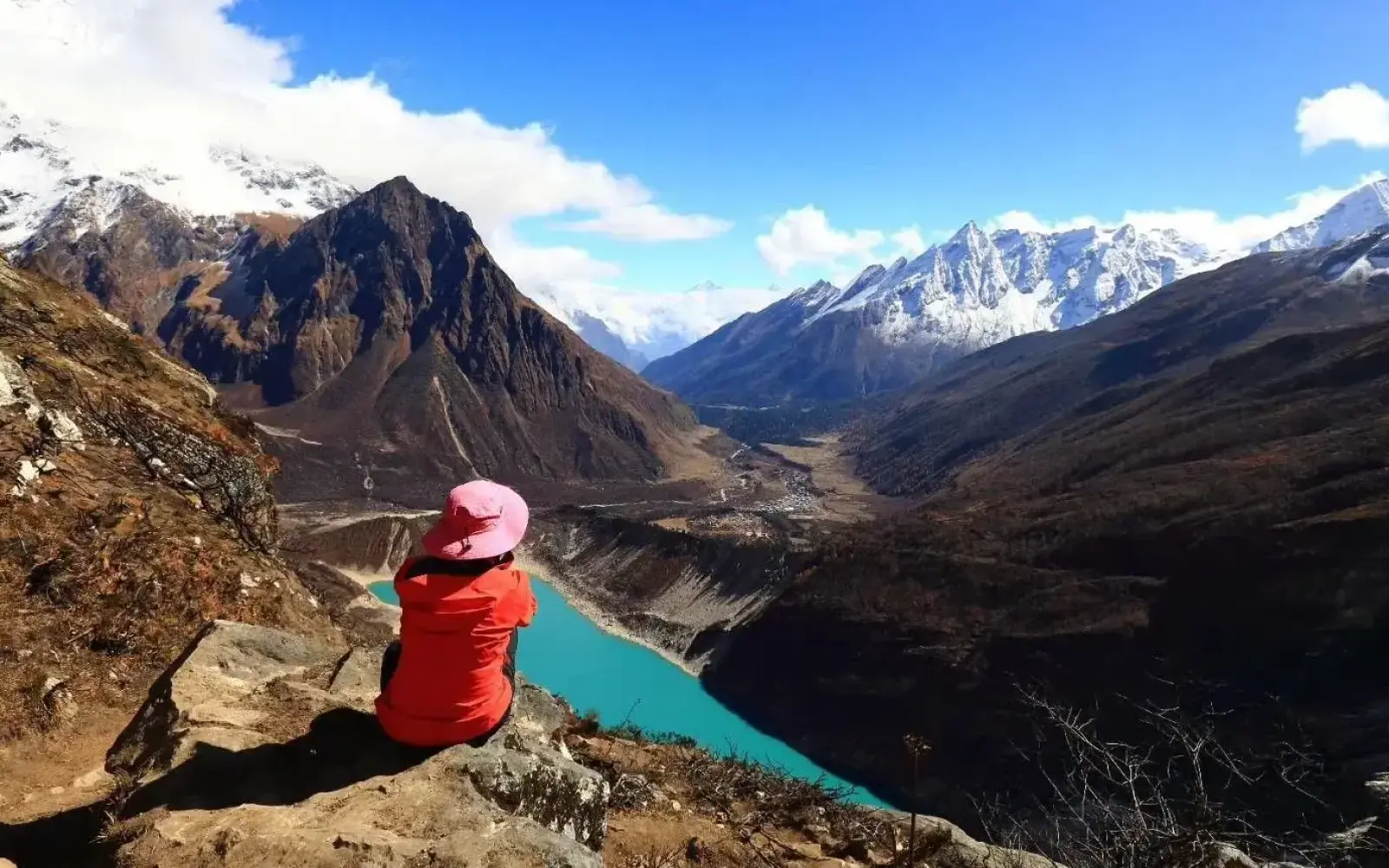
The great Himalayas attract travelers from all over the world and among the many trails cut into these mountains, the Manaslu Circuit Trek is one of the last true wonders to discover. As crowds gather on the popular trails, many trekkers are looking for something different a trail with fewer people, more silence and a deeper connection to raw nature. Manaslu offers wonder after wonder on the way, from hidden monasteries to valleys carved by glaciers, without the crowds that follow more famous routes.
The Manaslu Circuit Trek Nepal route is a loop around the eighth highest mountain on the planet, Mount Manaslu, which rises to 8,163 meters. It’s not an easy stroll. The trail takes you through jungle, thick forest, and high desert terrain in a matter of two weeks with a new wonder around almost every turn. This route is hard to beat for anyone looking for real adventure through trekking in Nepal.
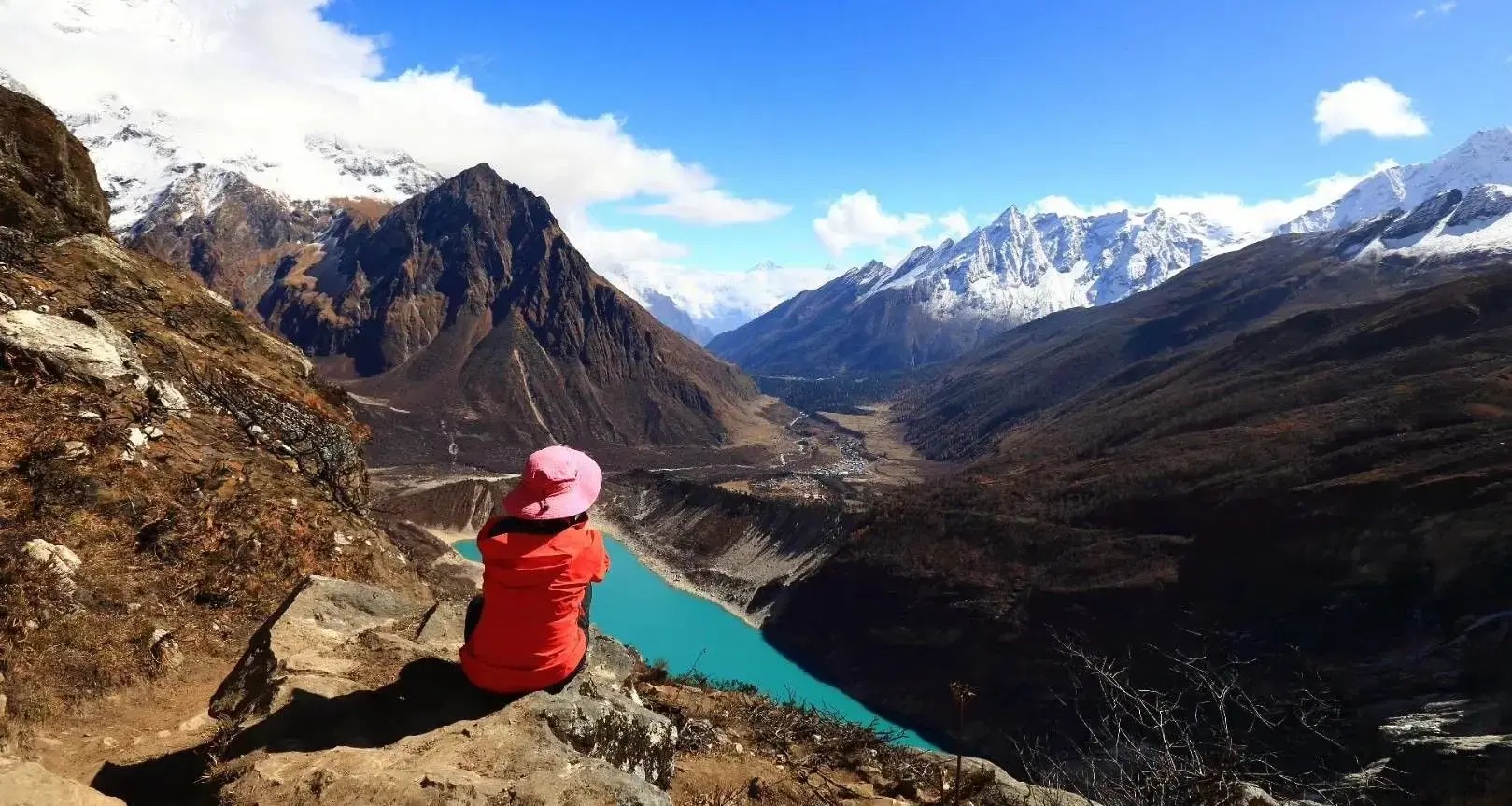
Here’s a detailed guide to what makes the Nepal Manaslu circuit trek worth doing the natural and cultural wonders that define the region, then planning, permits, safety, and gear needed to reach them.
Manaslu is often referred to as a trekking secret, and there is good reason for that. The region was closed to foreign visitors until 1992 and so avoided the kind of development that has taken place elsewhere in the Himalayas. That late opening means the Manaslu circuit still feels like the whole of the Himalayan region did decades ago, before roads and heavy tourism altered the landscape. That feeling of stepping back in time is one of the trek’s quiet wonders, in itself.
When you compare Manaslu Circuit vs Annapurna Circuit the difference is obvious. The Annapurna Circuit is beautiful, no doubt, but over the years, road construction has brought traffic, dust and crowding to large sections of the trail. Manaslu avoids all that. The area is strictly controlled by a permit system and the number of trekkers on the trail is deliberately kept to a minimum. Villages are true to their original character, and the nearest thing to a traffic jam is a herd of yaks crossing a swaying suspension bridge.
That village character is most obviously preserved in the way local culture itself changes along the route.
One of the great attractions of this trek is the opportunity to experience two different cultural worlds in one trip, the Nubri and Tsum valleys. As we move up the river, the Budhi Gandaki, the culture changes gradually. At lower altitudes the bulk of the people are Hindu, and at higher altitudes, Tibetan Buddhism predominates. Villages like Namrung, Lho and Samagaon are scattered with fluttering prayer flags, carved mani stone walls and centuries old monasteries. You get the sense that local communities are really and warmly welcoming, without the transactional feel that sometimes accompanies heavier tourist traffic. One of the wonders of the trail is the cultural layering, which changes almost from village to village.
The change in landscape is as dramatic as the culture and that change in terrain is a wonder in itself.
The Manaslu Conservation Area supports a wide variety of plant and animal life in its different elevation zones, and the transition from one zone to the other is so dramatic that it is like walking through several countries in one day. The walk starts in the sub-tropical lowlands of dense sal forest, where langur monkeys are often seen swinging through the canopy. Higher up the forest gives way to bamboo, oak and rhododendron in bloom, depending on the season. Above the tree line the landscape is dry and barren, here sightings of blue sheep, Himalayan tahr and golden eagles become more common. Few Nepal treks provide such ecological variety along one continuous trail.
Getting to these wonders involves a little more paperwork and preparation than a normal trek, because the Manaslu area has stricter regulations than more open trails such as Annapurna or Everest. Once you know what you need, none of it is hard. Don't worry about planning for these amazing treks in Nepal. Our travel planners at the All Himalayan Treks, you can surely get the best suggestions!
Proper Planning is more important here than on open trekking routes as the Manaslu Region is a restricted area. Getting the permits takes a little more effort, but if you are well prepared the process is simple, and most trekking agencies will take care of the paperwork for you as part of a full booking.
Permit fees vary depending on season & length of stay. The Manaslu circuit trek permit cost is ~$100 USD per person for the first 7 days, then an additional $15 USD per day after that.
The last part of the route is crossing into the Annapurna region which requires two permits, the Manaslu Conservation Area Project (MCAP) permit and the Annapurna Conservation Area Project (ACAP) permit, both costing $30 each. Note that solo trekking is not permitted in the Manaslu region, you will need to be in a group or have a licensed guide with you (as per current regulations).
Besides ACAP, MCAP, and SRAP, you must also obtain the Chumnubri Rural Municipality entry permit. Please note that you can't trek without this local permit. You can obtain the permit in Jagat Village's checkpost where you can pay NRs. 1000 for the permit. Note down that the debate is going about increasing the cost of the local permit from NRs. 1000 to NRs. 2000. Nowadays, even a trekking guide needs to obtain the local food coupon which was for porters only but it is mandatory for guide too.
The next decision after the paperwork is when to actually go. The season chosen will affect almost everything else about how the trek plays out.
Here is detail information.
Timing is key on this route; the weather at altitude can make or break the experience and also determines how many of the trail’s wonders you will see along the way. The pre-monsoon and post-monsoon windows are the best time for Manaslu circuit trek.
The best season is generally considered to be autumn, from September to November, with clear skies and dependable views of Mount Manaslu, and comfortable daytime temperatures. Spring (March-May) brings warmer weather and rhododendron forests in full bloom, adding color to the middle portions of the trail. Most trekkers will naturally choose either of these seasons as they miss out on the worst of the monsoon rains and the bitter cold of winter.
No carelessly gained wonder of the trail is worth. But at high altitude the rules change. Staying safe up here is about three things linked together getting through the single hardest day of the trek, giving the body enough time along the way to actually adjust to thin air, and having a real backup plan if something still goes wrong despite all that preparation.
The crossing of the Larkya La Pass is the most difficult part of the whole route. technically it doesn't need ropes crampons or climbing gear but it is a serious test of stamina and mental toughness The pass day usually begins at around 3:00 AM with trekkers walking in darkness under headlamp light through bitter cold and wind, sitting at 5,106 meters. The climb to the top is long but gentle, the descent to Bimthang on the other side is steep and brutal on the knees. It all boils down to pacing, trust in the guide and a steady mindset to get through the day. The reward at the top is one of the great wonders of the trail: a sweeping view across the pass into a completely different valley.
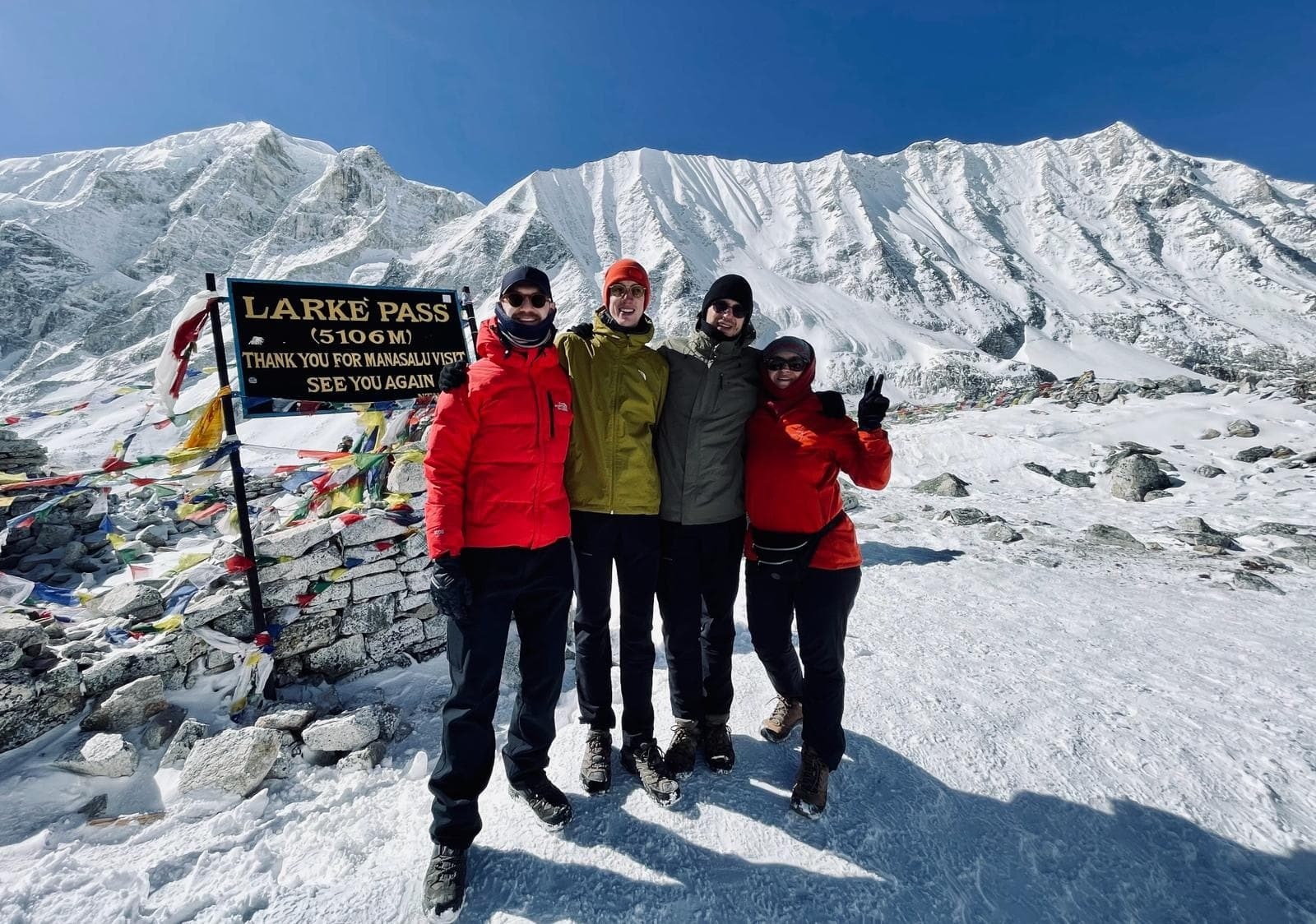
But none of that pacing works if the body has not had time to adapt to the altitude in the days leading up to the crossing. It’s that adjustment process that determines if pass day feels hard or actually dangerous.
Following proper altitude adaptation guidelines is a key factor for a successful crossing of Larkya La. Altitude sickness doesn’t care about age, gender or fitness level it happens when you get to a height faster than your body can adapt to the less dense air.
One common approach is the “climb high, sleep low” principle. The elevation gain for sleeping above 3,000 meters should not exceed 300-500 meters per day. That is precisely why the rest day at Samagaon (11,580 feet) is so important. A short trek to Manaslu Base Camp (about 4,800 meters) and back to sleep at Samagaon helps the body produce more red blood cells and acclimatize to the reduced oxygen levels before the harder days ahead.
But even good planning, and a sensible acclimatization schedule, won't always ensure a trouble-free trek. Even if the days before the pass go perfectly, the Manaslu area is remote enough that a backup plan still matters.
Things can go wrong, even if you prepare well. Altitude sickness, a sprained ankle or a sudden illness could cut a trek short and the Manaslu area is remote from any road access. When there’s a real emergency, a helicopter evacuation is usually the only real option.
That makes travel insurance a prerequisite for planning, not an afterthought. Cover should be specifically extended to include high altitude trekking (to at least 6,000 meters) and helicopter rescue. Usually, standard travel insurance plans do not include this type of rescue, and a helicopter rescue from deep in the Himalayas can cost $5,000 or more out of your own pocket if you don’t have it.
The above is about meeting the mountain safely but in fact all of it starts weeks before you set foot on the trail. What really matters at that point is getting physically ready in advance, and packing gear to handle rapidly changing conditions.
Manaslu circuit does not require elite athletic ability but a decent baseline of strength and endurance goes a long way. A good goal is to begin training three to four months before you leave. Doing cardio such as running, cycling or swimming three to four times a week will build up your lung capacity and stamina. Leg and core strength are equally important, as uneven terrain and long descents place real strain on knees and lower back. Weekend hikes with a loaded pack are one of the best ways to prepare for the particular demands of multi-day trekking.
Fitness carries the body up the trail. But when you are actually up there, what you put in the backpack is what keeps it warm, dry and functional.
Packing smart is better than packing heavy. Weather in the mountains can change in an instant so you’ll want the proper layers a moisture wicking base layer, warm mid-layer, and waterproof, windproof shell. The core gear list is rounded out with a warm hat, insulated gloves and a sleeping bag that can handle cold temperatures. A headlamp, good UV protection sunglasses and trekking poles are easy to forget but will make a big difference, especially in the early dark start on pass crossing day.
Once the walking actually starts, the daily routine is as much part of the experience as the scenery: Where to sleep each night, what ends up on the plate, how to move through the region without doing damage, and what an average day looks like from wake up to lights out.
Manaslu circuit was done only by camping, but now there are teahouses in almost every village along the way. This has made it much easier and cheaper to put together the trek. Rooms are generally basic and toilets often shared and hot water can be limited or cost extra small prices to pay for the convenience teahouses offer.
Almost all the meals on the trek are also from that same network of tea houses.
On a trek like this, calorie intake is very important, and teahouse food, though simple, is usually filling and satisfying. Dal Bhat, a hearty plate of rice, lentils and vegetables, is the trekking staple across Nepal for good reason as it fills you up and most teahouses will refill your plate as many times as you like. Other local specialties to try are tsampa, a roasted barley flour dish found in the higher Tibetan-influenced villages, and momos, popular dumplings from Nepal.
And with that food and hospitality comes a responsibility to treat the villages offering it with some care in return.
Respect for the environment and local culture is important in the entire Manaslu region, as the wonders described above can only remain intact if the visitors treat them with care. Small habits can make a big difference:
By the second or third day on the trail, sleeping in teahouses, eating what the villages offer, and passing through respectfully all become part of a fairly predictable daily routine.
Trekking days tend to have a predictable rhythm. Mornings are early, around 6:00 AM, with breakfast and packing done in time to get on the trail by 7:30 AM.
Walking is for a few hours and then a lunch break and then more walking through the afternoon. Most days finish with arrival at the next village sometime in the early to mid-afternoon, giving time to rest, explore the surroundings or simply recover before dinner.
Evenings are usually spent in the company of a warm stove in the teahouse dining room, before an early night. Sleep is as important as walking pace when dealing with the altitude ahead.
All of the above the permits, the itinerary, the safety planning, the training has to eventually translate into an actual booking. That mostly comes down to two decisions: who to hire as a guide, and how much planning to outsource versus do yourself. With All Himalayan Treks, you can leave the logistics to experienced professionals and focus on enjoying the journey, knowing every detail has been carefully arranged.
The technical challenge of the Larkya La crossing and the limited-area rules mean that traveling with an experienced Manaslu trek guide is not just a formality it’s a bona fide safety requirement. A good guide knows the terrain, weather patterns and altitude management, and has local language skills to breeze through permit checkpoints. A guide also tends to know the smaller, less advertised wonders along the way a view off the main trail, a monastery worth a short detour, a family run teahouse with better food than the guidebooks mention.
You could hire a guide independently. If you don't want to arrange guides, porters and permits as separate line items, most of that is bundled together anyway.
Trekking agencies in Nepal often offer full trekking packages including guides, porters, permits and accommodation. This can make things a lot easier for anyone not used to organizing a trek in a restricted area on their own. These packages can vary widely in price and level of service, so it’s worth the time to compare a few options before booking. A well-built package takes away much of the planning burden, leaving more energy to actually absorb the surroundings. Our 14-day Manaslu Circuit Trek Package is designed to cover every essential detail, allowing you to focus on the experience while we take care of the logistics.
The Manaslu circuit trek is not only a physical challenge but for many it becomes a kind of personal reset, and that shift is really the final wonder the trail offers. Near to cities and screens, leaving space to slow down and see the details that are missed in the normal routine. There's something about the scale of the mountains that puts things in perspective, making the daily worries feel small in comparison. Often the most lasting impression is the conversations with local communities along the trail, a quiet reminder of how little is actually needed for a good life.
Getting to the starting line is a real effort, sorting out permits, training your body for altitude, arranging insurance but the payoff is more than worth the preparation. The trail takes you through jungle, forest, high desert and finally the thin air of Larkya La Pass, passing some of the most spiritually rich villages in the Himalayas over the course of two weeks.
For those who want more than just sightseeing, more than a list of viewpoints, the Manaslu circuit trek offers something deeper. It challenges the body, resets the mind and leaves a mark that tends to stay long after the boots come off. The mountain has waited a long time and for those ready to respond, Manaslu still has some of the last truly wild wonders left in the Himalayas.


