
Everything you need to know about Gokyo Lake Trek
17 Jun 2024
"Gokyo Lake Trek: Where Serenity Meets Adventure in the Himalayas" Embark on a breathtaking journey through the stunning landscape of the Gokyo L...

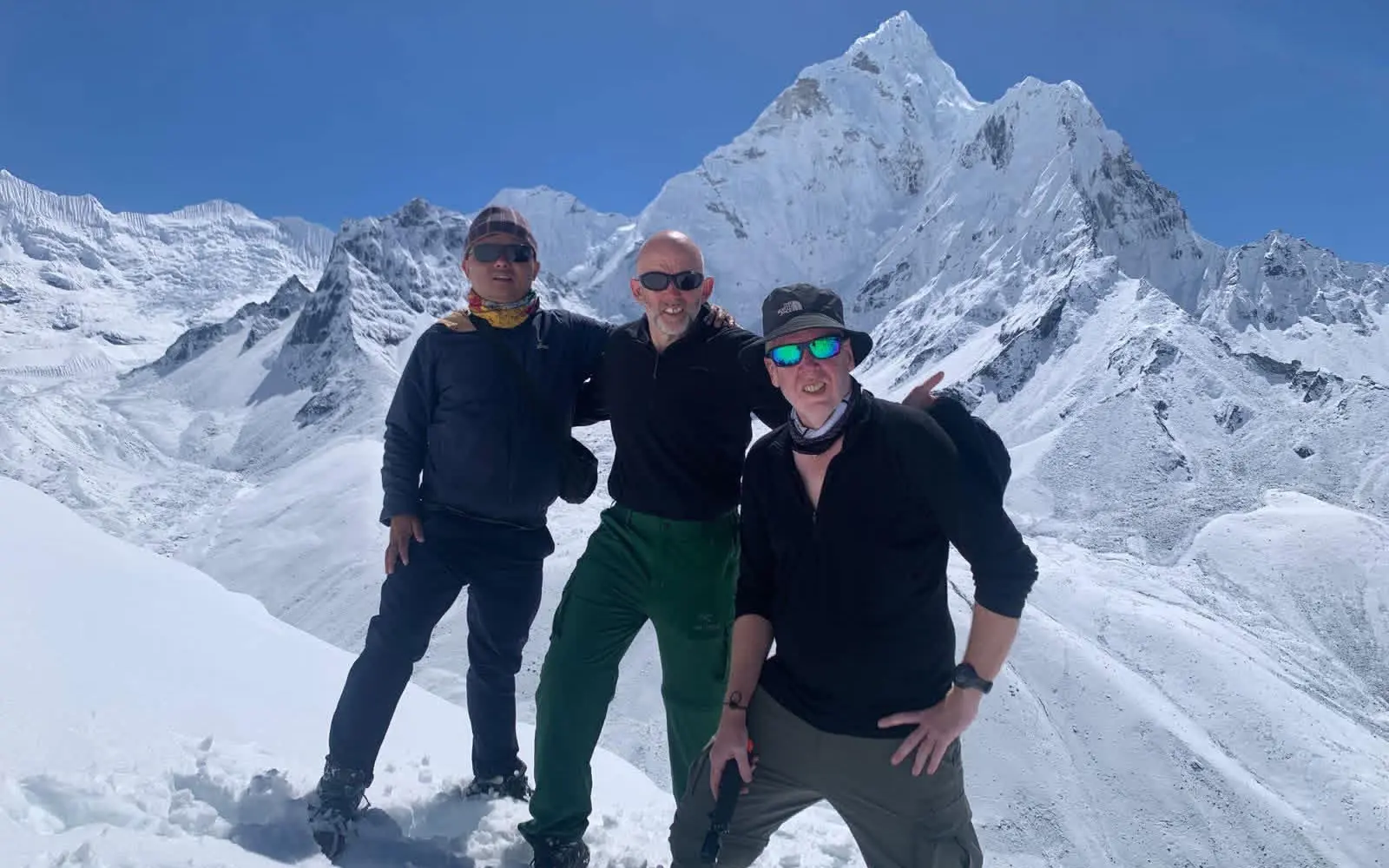
Which is the most enticing and magical place in Khumbu Nepal? The answer may be vague because of presence of countless beautiful places. However, the Gokyo Valley is definitely at the top of the list. In the heart of the Upper Khumbu, Gokyo Valley is undoubtedly the top-notch place worthy to be compared as fairyland. Imagine a place where you have a blue turquoise lake, snow capped mountains, and tranquil hamlet on shores of lake! Yes, it definitely seems a place painted in a canvas. We are talking about possible side treks from Gokyo Valley in today’s blog.
Please note that the Gokyo Valley in Khumbu is in the middle of the amazing Upper Khumbu region. Therefore, there are many destinations where you can go from this place. Many travel bloggers don’t share your authentic information about Nepal trekking. All they share is fluffy information to prioritize advertising rather than actual information. Don’t worry! We at the All Himalayan Treks, we give utmost respect to authenticity and travel investment of travelers. Therefore, our blogs carry more weightage for you to plan for the trek.
Do you know why people choose to do side treks? It’s to make sure that the overall trekking experiences increase on par with the travel investment. Having an option to go somewhere from the original destination is definitely worth investing. Therefore, our side treks from Gokyo Valley blog can surely help you to find out possible options. If you wish to enhance the overall trekking experiences, then make sure to extend the trek from the beautiful Gokyo Valley.
Before you talk about side treks from Gokyo, you should know about perks that you get from the valley. The best part of the Gokyo Valley Trek in Nepal is the hiking of the Gokyo Ri (5357 m). Normally, travelers either choose to do sunrise hike or sunset hike. If you ask me, then the best experience is when you do the sunset hike for better photography options. When weather is clean and nice, then you can surely capture majestic pictures. Hiking to the top offer best scenery of lofty mountains as far as Mount Makalu including Mount Everest.
At an altitude of 4834 m above sea level, you can explore the majestic large lake of the region! In the Gokyo Lake System, there are more than 19 lakes alongside the world’s longest glacier the Ngozumpa glacier, the 4th Gokyo Lake is the most cherished one! On the way to the 5th Lake, the 4th lake offers best wilderness Himalayan experiences. The first lake from the main Gokyo 3rd Lake is the 4th Lake where you can witness phenomenon in the Gokyo Lake’s fresh water lake system. Explore Thonak Tsho before visiting the last lake in the easily accessible lakes of the Gokyo Valley.
During the Gokyo Lake Trek or the EBC Gokyo Valley Trek in Nepal, the journey of the 5th Gokyo Lake Trek is special. Please note down that the 5th Lake Trek is best to capture majestic scenery of mountains, glaciers, lakes, and landscapes of the upper altitude Khumbu region. Besides the chance to be on the shores of the lake, you can also be able to experience the scoundrel’s viewpoint from this lake where you get angular view of Mount Everest (8848.86 m).
Only few people know about the Scoundrel’s Viewpoint in Gokyo Nepal. If you are searching for the best adventures and unique view of Mount Everest, then you should not miss the scoundrel’s view hike! You get the view only for you because of lesser number of people. Spend quality time in the higher elevation Himalayan place where you enjoy majestic mountain environment.
There is something deeply humbling about standing next to the Ngozumpa Glacier, the longest river of ice in Nepal. Rather than a pristine, white sheet of ice, it is a living, breathing landscape of gray debris, towering lateral moraines, and hidden supraglacial lakes that shimmer like scattered turquoise beads. Walking along its edge feels like exploring a different planet. You will hear the distant, low grumbles of moving ice and shifting rocks—a constant reminder of nature's raw power. The trail requires focus, as the sandy ridges and loose scree keep you on your toes, but looking out over that massive, rumbling expanse makes every single step worth it.
If you are craving an adrenaline rush, the route over Cho La Pass connects the tranquil Gokyo Valley to the classic Everest Base Camp trail. This is not just a walk; it is a true mountaineering challenge that tests your grit. The day starts before dawn, navigating steep, icy boulders and scrambling over a slick, sloping glacier that often requires microspikes for traction. Reaching the top delivers an incredible rush of achievement. Standing at the pass, draped in fluttering prayer flags, you are treated to an up-close, dramatic view of Ama Dablam and Cholatse that few standard trekkers ever get to see.
For many trekkers, Renjo La Pass is the absolute crown jewel of the entire Three Passes loop. The climb up from the Gokyo side is steep and physically demanding, but the reward at the top is unmatched. As you clear the final ridge, a massive panoramic view opens up, showcasing the turquoise Gokyo Lakes directly below, the vast Ngozumpa Glacier, and a wall of 8,000-meter peaks, including Everest, Lhotse, and Makalu. The descent takes you down stone staircases into the remote, pristine Bhote Koshi Valley, offering a quieter, deeply peaceful way back into the lower Khumbu region.
Stepping off the main tourist paths allows you to experience the authentic heart of the Khumbu region. The tiny settlements scattered around the Gokyo Valley, like Machhermo and Thangnak, are much more than just quick rest stops; they are home to resilient Sherpa communities. Here, life moves at a slower, traditional pace centered around yak herding and high-altitude farming. Sitting by a warm, dung-fueled stove in a local teahouse, sipping hot butter tea, and listening to stories from village elders offers a genuine cultural connection that stays with you long after the mountain views fade.
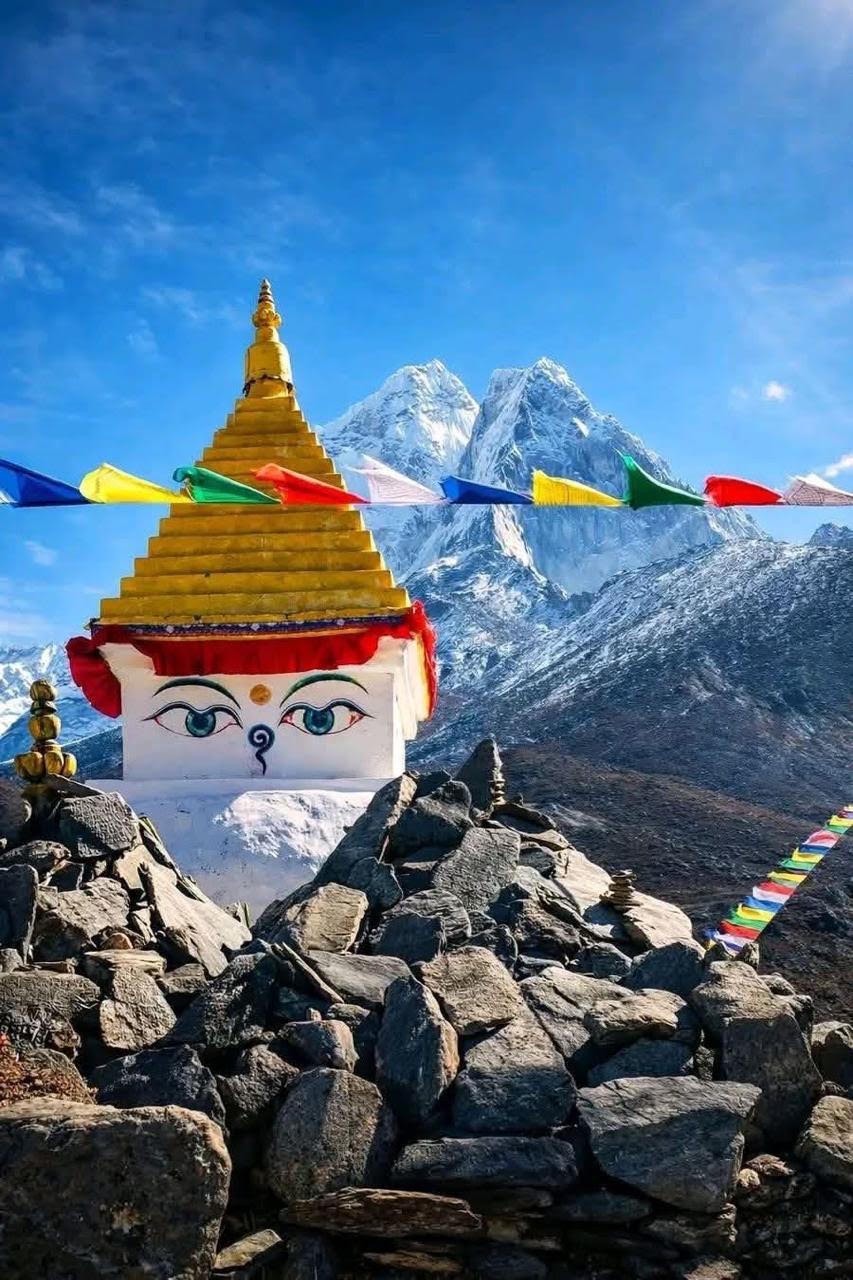
The Gokyo Lakes are a paradise for photographers, offering endless opportunities to capture the raw beauty of the Himalayas. The absolute best spot is the summit of Gokyo Ri during sunrise, where the morning light turns the faces of Everest and Cho Oyu a brilliant gold, reflecting perfectly into the lakes below. For a quieter shoot, hike up to the Fourth (Thonak Tsho) and Fifth (Ngozumpo Tsho) lakes. The dramatic contrast between the sharp, gray glacial moraines, the deep turquoise water, and the massive white peaks creates a striking visual harmony that text simply cannot capture.
Trekking through the high-altitude terrain of Sagarmatha National Park offers a unique chance to observe rare wildlife in their natural habitat. As you move through the juniper and rhododendron forests at lower elevations, keep an eye out for colorful Danphe (Himalayan monal) pheasants darting through the brush. Higher up on the rocky, alpine slopes, you might spot herds of Himalayan tahr securely navigating the vertical cliffs. If you are incredibly lucky, you might even see prints left behind by the elusive snow leopard or the endangered red panda that call these remote valleys home.
Timing is everything when planning high-altitude side treks around Gokyo. The autumn months of September through November offer crisp, post-monsoon air, exceptional visibility, and highly stable weather. If you prefer a colorful landscape, spring from March to May brings blooming rhododendrons in the lower valleys and comfortably warmer daytime temperatures. Winter turns the passes into dangerous, snow-choked hazards, while the summer monsoon brings heavy rains, thick fog, and hidden mountain views. Sticking to the peak seasons ensures safe trails and clear panoramas.
Do not let the beauty fool you; the side treks around Gokyo are physically demanding challenges. While you do not need technical climbing skills or ropes, you must be in excellent cardiovascular shape. Hikes like Gokyo Ri or the crossings of Cho La and Renjo La involve five to seven hours of continuous, steep walking on loose rock, scree, and occasional ice, all above 4,700 meters where oxygen levels are low. Preparing with regular hiking, stair climbing, and solid endurance training months before your trip is essential for a safe, enjoyable journey.
When heading out from your teahouse base in Gokyo, your pack needs to be light but well-stocked for sudden weather changes. Sturdy, broken-in trekking boots with excellent ankle support are non-negotiable for navigating loose moraine rocks. You will want a quality layering system: a moisture-wicking base, an insulating fleece, and a windproof, waterproof shell. Essential items include adjustable trekking poles to save your knees on steep descents, a reliable headlamp for early morning starts, UV-protection sunglasses, a water filter, and plenty of high-energy snacks.
Safety in the high Himalayas comes down to preparation and respect for the altitude. Acute Mountain Sickness (AMS) is a real risk here, making gradual acclimatization and proper hydration essential—aim for three to four liters of clean water daily. Never trek beyond the village alone; hiring a local guide ensures you stay on the correct trail when sudden fog or snow rolls in. Always check trail conditions with lodge owners before heading out, carry a basic first-aid kit, and ensure your travel insurance specifically covers high-altitude helicopter evacuation.
To truly experience the Gokyo Valley, consider adding three to four flexible buffer days to your standard trekking itinerary. A classic approach involves spending your first full day in Gokyo climbing Gokyo Ri for sunrise, followed by a relaxed afternoon walk along the edge of the Ngozumpa Glacier. The following day can be used for a rewarding day hike up to the Fourth and Fifth lakes. Having these extra days built in allows your body time to properly acclimate, protects your schedule against unpredictable weather delays, and ensures you do not have to rush through this incredible landscape.
While beauty is subjective, the undisputed champion for the absolute best view in the region is the summit of Gokyo Ri. The view from the top beats even the classic Everest Base Camp trail for sheer scale. From this single, rocky vantage point, you can see four of the world's fourteen highest peaks simultaneously: Mount Everest, Lhotse, Makalu, and Cho Oyu. Looking down, you see the massive Ngozumpa Glacier winding through the valley next to the vibrant, turquoise Gokyo Lakes, creating a breathtaking, 360-degree panorama of the high Himalayas.
All Himalayan Treks is one of the reliable trekking agencies of Nepal. Therefore, you should know that the information we share is always authentic and precious. While talking about side treks from Gokyo Valley, we should make sure that we get best experiences. Giving the best opportunities to travelers means that you know about all the places from the surroundings.
After trekking to Gokyo either during the Everest Three High Passes Trek or during the EBC Gokyo Valley Trek via Chola Pass or the Gokyo Valley Trek, you should know side treks from Gokyo Valley. One should know to alleviate the travel investment from their holiday package. If you are in Gokyo region, then please note down these possible side treks from Gokyo Valley.
We vow to make your trip in Khumbu Nepal special wherever you trek!

"Gokyo Lake Trek: Where Serenity Meets Adventure in the Himalayas" Embark on a breathtaking journey through the stunning landscape of the Gokyo L...

The Everest Base Camp (EBC) trek is an iconic adventure that draws thousands of trekkers each year. For those seeking a more challenging and scenic al...

IntroductionThe Everest Base Camp (EBC) Trek is a legendary trek in the Nepal Himalayas that draws trekkers from around the world. It offers stunning...
15 Days Everest Base Camp Chola Pass Gokyo Trek: Cost, Itinerary & Best Time Explained (2026/27/28 Guide)The Everest Base Camp via Cho-La Pa...


