 5.0 of 433 reviews
 5.0 of 309 reviews 5.0 of 433 reviews 5.0 of 309 reviews

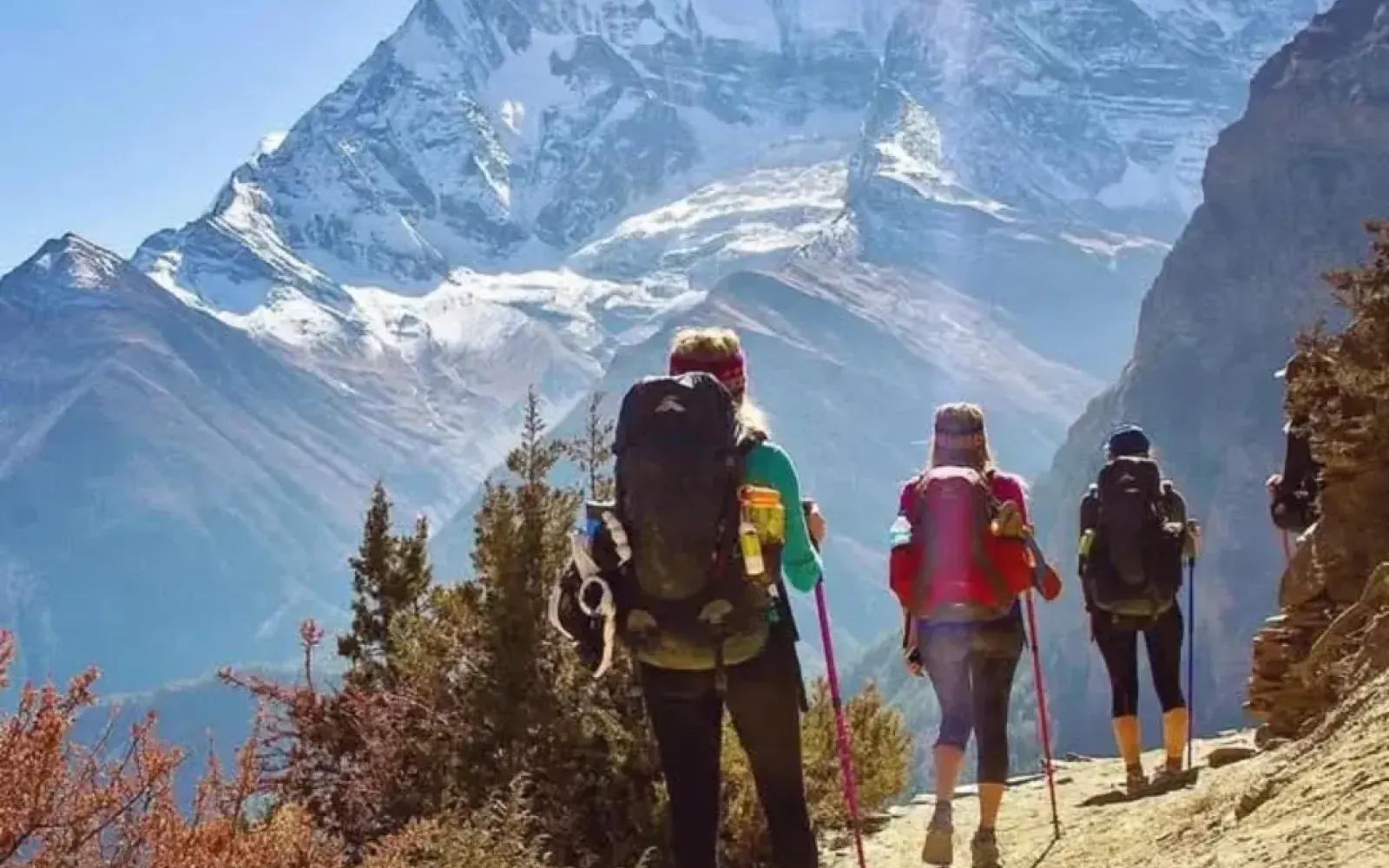
Many folks mix up trekking and hiking. They sound alike, but picking the wrong one can mess up your plans. Clear up the confusion to stay safe and geared up right.
Both get you walking in nature. Yet, they differ in how long you go, how far from help you are, and what your body must handle. Spot these key differences between trekking and hiking to choose your path wisely.
Hiking means short trips on paths close to home. You head out for a few hours or a full day, then return without much hassle. This makes it perfect for beginners or busy people.
Most hikes last from two to eight hours. You might cover five to ten miles, depending on your pace. Think of a quick loop in a local park to stretch your legs after work.
Trails stay well-marked with signs and maps at the start. They suit various fitness levels, from flat walks to mild uphill climbs. Parks like those in the national system keep paths clear and safe.
Trekking takes you on longer hauls through wild spots. It demands stamina for days on end, far from easy outs. You plan for the unknown and push your limits.
Expect three days to weeks of steady walking. Distances add up to 50 miles or more, with nights under the stars. The Inca Trail in Peru, for example, spans four days over 26 miles.
These routes lie deep in backcountry, miles from roads or towns. You pack all you need since stores or help sit far off. A wrong turn means real trouble, so skills count big.
Hiking ramps up your heart rate but lets you recover fast. Trekking builds strain over time, testing your whole body. Know the load to match your strength.
You face steady climbs of 500 to 2,000 feet in a day. Weather shifts quickly, but short trips limit the hit. A trail in the Rockies might tire your legs, yet you rest soon after.
Days stack elevation gains to thousands of feet total. Heavy loads wear on muscles and knees alike. After a week, like on Nepal's Annapurna Circuit, fatigue hits hard from nonstop effort.
Gear shows the gap clear as day. Light packs for hikes keep things simple. Full kits for treks add weight and prep.
Pack water bottles for hydration. Toss in snacks, a rain jacket, and sturdy shoes. Add a basic first aid kit and phone for quick calls. Navigation apps work fine on marked paths.
You need tents for shelter and sleeping bags for cold nights. Stoves cook meals over days, and packs haul 30 pounds plus. In high spots, layers fight frost; think Everest Base Camp needs sub-zero-rated gear.
Finding your way changes with the activity. Hikes follow signs; treks demand sharp eyes and tools. Build those skills to avoid getting lost.
Signs guide you every step on popular routes. Maps serve as backup for side paths or fog. Cell signals often reach, so apps ping your spot easy.
Faint paths or none at all call for compass work and topo maps. GPS devices track in deep valleys without bars. Practise route-finding; one study shows lost trekkers hike extra miles without it.
Help varies by how far you roam. Close aid for hikes eases worry. Treks lean on self-setup or local aid.
Most of Nepal's hiking trailheads are located in villages; apart from that, there are just a few places for parking or teahouses, and if the location is remote, you hardly ever see official rangers or emergency posts. In case of an emergency, you can call the police at 112 or the ambulance at 102, but there is barely any mobile coverage in the most remote areas. Some hikers bring satellite phones or GPS for their communication needs. It may take several hours by car to a hospital, and generally, a helicopter evacuation is necessary. The helicopter can only fly if the weather is good, and the trip is very costly. Villages along popular trekking routes are usually a few hours away, but if you want to be completely safe, you should have a plan, hire a local guide, and be well-equipped for emergencies.
In places like the Himalayas, teahouses offer beds and food stops. Porters carry loads on famous routes. Set camps yourself in wilder areas, boiling water from streams.
Rules add layers to your trip. Hikes face few hurdles; treks need paperwork.
Many paths open free or with a small park fee. Day-use permits cost under $10 in most spots. Check local rules, but spontaneity rules here.
Remote zones demand official nods. Nepal charges $30 a day for Everest treks, plus guide fees. National parks like Machu Picchu limit spots to curb crowds.
Money flows different for each. Hikes stay cheap; treks demand savings.
Gas to the trailhead might run $20. Snacks and a bus pass keep it under $50 total. Weekend warriors hit local spots without big plans.
Gear buys top $1,000 if new. Flights to start points add thousands, plus insurance at $100 or more. A two-week trek often hits $3,000, including guides.
Trekking and hiking both spark joy in nature, but duration, remoteness, and self-reliance set them apart. Hikes offer quick escapes with light loads; treks build epic tales through grit and prep.
Weigh your fitness, free time, and comfort with risk. Start with hikes to build skills if you're new. A trek waits when you're ready for the deep dive.
Lace up those boots. Whether a short stroll or long haul, the wild calls—answer it your way.

Our travel experts are ready to assist you with any questions.
Send us a message.Have a question before you book? Send your enquiry below and our travel experts will get back with the required information.