
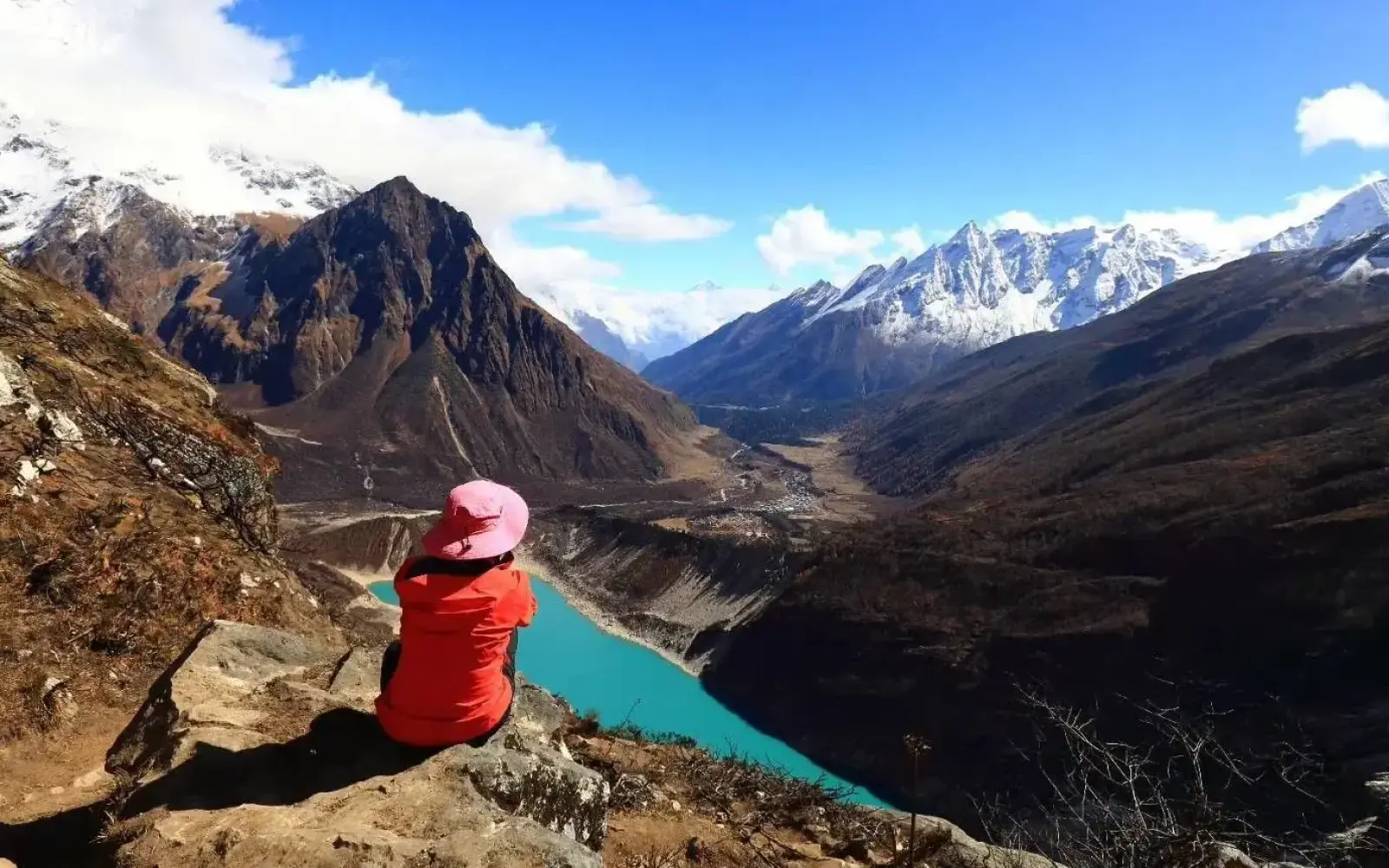
Want a Nepal trek that still feels wild, even in peak season? The Manaslu Circuit trek has that rare mix: quiet trails, huge Himalayan walls, and villages where Tibetan culture shows up in mani stones, prayer flags, and daily life. Then comes the headline moment, the long crossing of Larkya La Pass, a day that feels like stepping into a high, cold world.
This guide gives you three things you can plan with: a simple 14-day Manaslu circuit trek itinerary, a Manaslu circuit trek map-style overview (so the route "clicks" in your head), and an honest cost breakdown for 2026, including permits, guide, porter, food, lodging, and transport.
One key expectation: Manaslu is a restricted area, so you need a licensed guide and a minimum two-person permit group (agencies can pair you with others). Prices change by season and group size, but the ranges below are realistic for 2026 planning.
The Manaslu circuit trek in Nepal usually starts after a long drive from Kathmandu to the Budhi Gandaki corridor. From there, you walk up a river valley that keeps tightening into a gorge. Next come pine forests and bigger stone villages, then wide high-country basins around Samagaun and Samdo. Finally, you climb to the Larkya La crossing, then drop into the Annapurna side and finish around Dharapani, where the trail connects with the Annapurna region.
Most trekkers go counterclockwise, because the climb toward Larkya La is more gradual. That pacing helps your body adjust, and it usually makes the pass day safer and more enjoyable.
Restricted area rules shape your whole plan. You must trek with a licensed guide, and permits get checked often at checkpoints. On top of that, the restricted area permit requires a minimum two-trekker group on the paperwork. If you're solo, don't panic, an agency can often group you with another trekker for the permit.
For most standard itineraries, you'll need:
TIMS rules can vary by region and by current policy. For 2026, most agencies handle the paperwork as part of the setup. Still, confirm exactly what your route needs, especially if you plan a side trip or a shorter itinerary.
For most people, the Manaslu circuit trek best time is mid-September to November and March to May.
Fall brings the clearest views and the busiest teahouses. Spring feels warmer, with rhododendrons lower down, although haze can soften distant peaks. Winter is quiet and beautiful, but it's colder, and the pass can close after storms. Monsoon turns the lower trail wet and slippery, with leeches and landslide risk, while clouds often hide the mountains.
No matter the month, expect big temperature swings. The pass morning can feel brutally colder than the valleys only a few days earlier.
This 14-day Manaslu circuit trek itinerary builds in steady altitude gain and two acclimatization days. It's a sweet spot for comfort and safety. A Manaslu circuit trek 12 days short version exists, but it often cuts rest days, which makes Larkya La harder on the body.
Day 1: Kathmandu to Soti Khola or Machha Khola (drive)
Plan for a long, bumpy day. If you can start early, you'll arrive with daylight to sort gear.
Day 2: Trek to Jagat (6 to 8 hours)
The trail hugs the river and crosses suspension bridges. Footing can be narrow in places, so take your time.
Day 3: Jagat to Deng (6 to 8 hours)
You'll notice the landscape shift, with steeper walls and more rugged sections. Small shops exist, but choice is limited.
Day 4: Deng to Namrung (6 to 7 hours)
Today often feels like a turning point, with more forest and a cooler breeze. Keep snacks handy for long stretches.
Day 5: Namrung to Lho (4 to 6 hours)
Manaslu finally shows itself in a big way on clear days. It's the first "wow" view that makes people stop mid-step.
A quick reality check: carry enough cash from Kathmandu. There are no reliable ATMs on the Manaslu trail.
Day 6: Lho to Samagaun (4 to 6 hours)
Altitude starts to matter here. Walk slower than you think you need to.
Day 7: Acclimatization in Samagaun
Pick a hike that matches your energy, like Manaslu Base Camp (conditions allowing) or Pungyen Gompa. Then sleep back in Samagaun.
Day 8: Samagaun to Samdo (3 to 4 hours)
A shorter day is a gift. Use it to rest, hydrate, and keep your appetite up.
Day 9: Acclimatization in Samdo (or a very short hike day)
Many people do a viewpoint walk toward the Tibet border area. You're not chasing distance, you're helping your body adapt.
Day 10: Samdo to Dharamsala (Larkya Phedi) (3 to 5 hours)
This is your staging day for the pass. Charge devices early because power can be limited.
Watch for acute mountain sickness (AMS). Common red flags include:
If symptoms get worse, don't go higher. Tell your guide right away.
Day 11: Cross Larkya La Pass to Bimthang (8 to 12 hours)
Start before dawn. This is the longest day, and weather can change fast. Stay close to your guide, keep layers accessible, and eat even if you don't feel hungry.
Day 12: Bimthang to Dharapani (or nearby) (7 to 10 hours)
It's a long descent through changing vegetation. Knees can take a beating, so trekking poles help.
Day 13: Drive to Besisahar, then Kathmandu
Road conditions decide the pace. Some groups overnight in Besisahar if the ride runs late.
Day 14: Buffer day in Kathmandu
Use this for delays, or enjoy an easy day with a hot shower, gear shopping, and real coffee.
Pass-day safety basics: bring a headlamp, warm gloves, and rain protection. In icy weeks, microspikes can help a lot.
Manaslu costs feel "normal" at the start, then creep up with altitude. Food gets pricier, hot showers turn into a paid luxury, and charging fees add up faster than you'd expect. Your total also depends on whether you book an agency package or pay as you go with a guide.
Here's a realistic snapshot for 2026 budgeting.
Expect permit costs to vary by season and how many days you spend in the restricted zone. As a planning range, permits often land around $120 to $220 per person for a standard Manaslu circuit trek itinerary.
Guiding and support commonly run:
Set expectations early. Ask what your quote includes, such as staff insurance, staff meals and lodging, transport days, and permit processing fees.
A quick table helps when you're comparing agencies:
| Cost item (2026 planning) | Typical range (USD) | Notes |
|---|---|---|
| Permits (RAP, MCAP, ACAP) | $120 to $220 | Season and restricted-zone days affect RAP |
| Guide | $35 to $50 per day | Required for the restricted area |
| Porter | $25 to $35 per day | Often shared by 2 trekkers |
On the trail, food and drinks often run $25 to $45 per person per day, and it rises higher up. Rooms are usually $5 to $15, and they can be cheaper if you eat dinner and breakfast there.
Small extras add up:
Tipping depends on service and group size. As a simple planning range, many trekkers set aside $120 to $250 per person total for tips on a 14-day trip.
Two realistic total budget examples for 2026:
Those ranges don't promise a final bill. They're a solid target for planning.
The Manaslu Circuit trek rewards steady pacing and a clear plan. Pick the best season for you, with October to November and March to April as the most reliable windows for views and trail conditions. Then stick to a 14-day itinerary that gives you two acclimatization days before Larkya La. Finally, budget for the sneaky cost buckets, food at altitude, transport bumps, tips, and charging fees.
Save this itinerary and cost breakdown, then confirm the latest permit rules with a licensed agency before you book. Most importantly, build in that buffer day, because mountain roads don't care about tight schedules. Manaslu feels remote for a reason, and that's exactly the point.


