Everest Base Camp Trek and its Appeal
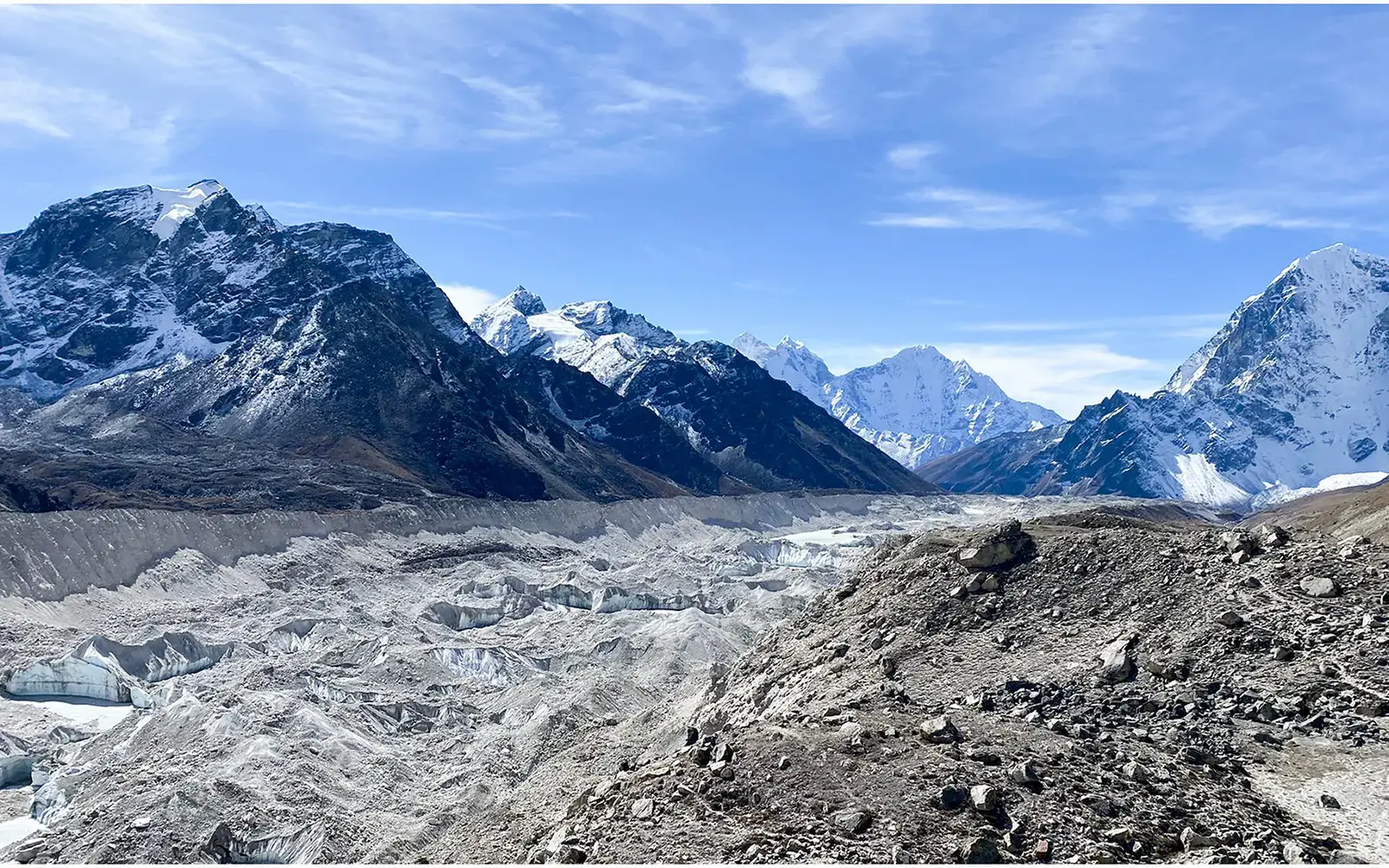
Everest Base Camp trek is one of the famous treks in the world. It takes you to the base of Mount Everest, the highest mountain on the earth. Many travellers dream of being close to this giant mountain and enjoy the beauty of the Himalayas. Along the way, you will see fantastic views, visit ancient monasteries and meet the friendly Sherpa people.
The trek takes about 12 days and it stays in teahouses. Teahouses are simple lodges that offer meals and a warm bed to sleep in, so there is no need to carry camping equipment. The trek is moderately difficult so it is important to prepare for it. Temperatures can be mild and very cold and the weather may change rapidly. Having the right gear means being comfortable, safe and having fun on this unforgettable journey.
Seasonal Considerations: Packing for Spring and Fall, Winter
Trekking to EBC is possible almost throughout the year and there are unique conditions you need to be aware of in the spring, autumn and winter, each of which will affect your packing needs. (Monsoon summer months are generally avoided because of heavy rains and disruption of flights.) Below takes a look at what to expect during each season and how to adjust your gear:
Spring (March–May)
Spring is popular for trekking. The weather is generally stable and the landscape is in full bloom of flowers. Days are warm and nights are very cold. Temperatures at lower elevations can be around ten to fifteen degrees Celsius and higher camps can go below zero degrees at night.
Layering is essential. A lightweight base layer, a fleece or light insulated jacket and a waterproof outer layer is important. Sturdy boots are recommended, and gaiters can be helpful in the case of snow. A sleeping bag rated around minus ten degrees Celsius is generally sufficient for teahouse stays during spring and autumn. Cold sleepers may prefer a warmer rating (minus fifteen degrees) or the use of a sleeping bag liner, as teahouses are unheated at night. Sun protection is important including sun glasses and sunscreen as the sun is strong at high altitude.
Autumn (September–November)
Autumn is also another perfect season for trekking. Skies are normally clear after the monsoon which is excellent for photography and sightseeing. Temperatures are cool and the weather is generally dry.
Layering remains important. Base layers, a warm mid-layer and an insulated jacket keep you comfortable. A waterproof jacket is helpful from the wind or occasional rain. Comfortable trekking boots are important for rough terrain. A sleeping bag rated about minus ten degrees is recommended. Days are a bit shorter so an early start on hikes helps. Autumn scenery is colorful so the season is very fun.
Winter (December–February)
Winter trekking is more difficult and quieter, offering dramatic mountain views for experienced trekkers who are prepared for extreme cold conditions. Trails are quieter and the views spectacular. At higher elevations temperatures can fall to minus fifteen or minus twenty degrees Celsius.
Heavy clothing is required such as a thick down jacket, numerous layers of thermal clothing, and insulated boots. Gloves, a warm hat and a gaiter around the neck are a must. Crampons or microspikes are recommended for the icy trails. Sleeping bags rated to minus twenty degrees Celsius are required. Sun protection is also important on snowy days. Teahouses may have limited services so carrying extra warm gear is very important.
Complete Packing List by Category for the EBC Treks (Budget-Friendly Gear Recommendations)
Essential Clothing (Layering for All Conditions)
Clothing is key for comfort. Layering is useful in adjusting to changing temperatures. Base layers such as thermal tops and leggings help to keep you warm and dry. Avoid cotton because it holds moisture. Trekking shirts should be breathable and fast drying.
A fleece or light insulated jacket is a good item to have for mid-layer warmth. There is an outer insulated jacket for protection against extreme cold at high altitude. Waterproof jackets protect from the rain and wind. Trekking pants should be able to move and be comfortable. Waterproof over-pants provide protection from wet conditions. Thermal underwear/sleepwear or thermal underwear/sleepwear keeps you warm at night. Gloves, liners, and pairs that are insulated are essential.
Headwear should consist of a warm hat and a sun hat. Several pairs of socks avoid blisters and cold feet. Quick drying underwear and light weight accessories like a buff are helpful. Budget trekkers can get good gear in Kathmandu, or rent heavy gear such as down jackets.
Footwear (Boots, Socks, Camp Shoes)
Comfort and sturdy footwear is one of the most important aspects of trekking safely and comfortably on the Everest Base Camp route. Your feet will be on the go for long days on rocky and uneven trails and the right footwear will help to reduce the risk of injury, blisters and cold-related issues. Choosing the right combination of boots, socks, and camp shoes allows you to have both support and warmth throughout your trek.
Trekking boots: Waterproof and ankle-supporting boots are mandatory. Make sure that they are broken in on before the trek so there is no discomfort. Good boots will help protect your feet from rough terrain, snow and water.
Camp shoes: Lightweight sandals or flip flops are convenient for evenings in the teahouses. They will give your feet a break and dry out after a long day of trekking.
Gaiters: This is optional but very helpful in places where there is snow, mud or loose debris. They help to keep your lower legs and boots clean of dirt.
Crampons or microspikes: Required for icy or slippery trails in the winter.They give additional grip and stability to minimize the risk of a fall.
Wool or synthetic socks are recommended as they keep your feet warm even if they are slightly damp. Carrying extra pairs of shoes to avoid blisters and keeping feet dry. Blister care items, such as moleskin or bandages are highly recommended. For budget travelers boots can be rented/purchased in Kathmandu. Always test them for comfort and fit prior to setting off ill fitting footwear can ruin the trek experience.
Sleeping Gear (Bedding for Teahouse Nights) for Everest treks
Even though teahouses offer simple bedding, nights on Everest Base Camp trek can be extremely cold, especially at higher elevations. Having your own sleeping gear will ensure that you have warmth, hygiene and comfort. A good sleeping bag can mean the difference between a good night's sleep, and a sleepless night. Lightweight ones that are easy to carry are ideal to a teahouse trek. Think of other materials that would provide warmth without a lot of bulk.
Sleeping bag: Bag rated for minus ten degrees Celsius is suitable for spring and autumn. Winter trekking requires a sleeping bag rated for minus twenty degrees to remain safe and comfortable in extreme cold.
Sleeping bag liners: These are used to add extra warmth and keep your sleeping bag clean which comes in handy when staying in shared accommodations. Liners are light and cheap.
Pillow: Optional but for extra comfort especially for long nights at high altitude. Inflatable or compressible travel pillows are space-saving.
Earplugs: Helpful in shared rooms in order to block noise and making sure of a better sleep, which is important when on high altitudes.
Teahouses do provide mattresses & blankets, but they may be thin & not quite clean. Carrying your own sleeping bag makes you warm and hygienic. A hot water bottle may be used for extra comfort during the cold nights. For budget travellers, sleeping bags can be rented in Kathmandu and having a liner is a cheap solution to keeping warm.
Personal Items (Toiletries, First Aid and Hydration)
Carrying the correct personal items is needed for health, comfort and convenience on the trek. Proper planning of hydration, clean and minor injuries will ensure you make it through the journey without any problems. To keep your pack light and organized for easier access to important items on the trek. High-altitude trekking can be physically challenging and therefore being equipped with personal essentials to prevent any discomfort or emergency. Focus on lightweight, practical and multi-purpose things wherever possible.
Small toiletries kit: Toothbrush, toothpaste, soap, shampoo, quick dry towel, toilet paper, hand sanitizer These basics help to ensure hygiene and comfort in shared teahouse facilities.
Lip balm, sunscreen and moisturizer: Guard skin from extreme sun, dry air and wind. Apply sunscreen frequently due to increased UV exposure with elevation.
Sanitary products for women: Carry favorite things to console oneself as the availability is less at remote villages.
First aid kit: Some essentials are plasters, blister care, moleskin, antiseptic wipes, pain killers, altitude sickness medication and any personal prescription medication. Being prepared for minor injuries or sickness gives less stress and safety.
Water purification: Tablets, filters or UV purifiers make water from taps or streams safe to drink. Staying well hydrated is important at high altitude and helps minimize the risk of altitude related illness.
High energy snacks: Granola bars, dried fruits or nuts generate quick energy during long trekking days, helping to maintain stamina and alertness.
Electronics and small essentials: A headlamp, mobile phone, charging cables, power bank, and waterproof pouches for documents are important. Electricity is scarce at higher elevations and charging devices usually incurs an extra cost in teahouses.
Trekking Accessories (Poles, Packs and Other Gear)
Trekking accessories are the keys to a comfortable and a safe journey. They help to reduce physical strain and protect your possessions and make every day trekking tasks easier. Having the right accessories can prevent little problems from becoming big problems on the trail. Organization is also important - having things easily accessible allows more time and energy on days of long hiking. Lightweight and multifunctional are the best to carry when you have space constraints in your pack, and you can buy or rent many accessories in Kathmandu and it will save you the hassle of carrying everything from home.
50-60 litre backpack: Best for carrying all your main gear. Make sure that it can fit well and have padded straps and hip belt. A smaller day pack is good for daily treks, for carrying necessities such as water, snacks, camera, extra layers and personal items.
Trekking poles: To reduce strain on your knees and to offer extra support in uneven terrains. Adjustable poles are very useful and versatile for ascending or descending steep slopes or crossing a rocky section.
Sunglasses with UV protection: Protect your eyes from harsh sunlight and reflection of snow. Choose lenses that are labelled UV400 for full protection.
Staying hydrated with water bottles or hydration bladder: It is important to stay hydrated at high altitudes. Hydration bladders are sipped on the run easily and bottles are simple and easy to fill.
Rain covers or plastic liners: Keep your backpack and gear dry in the rain or snow. Even simple plastic liners inside your pack can keep the wet clothing or electronics out.
Small multi-tool or a knife, duct tape: This item may come in handy to perform a minor repair to a trekking pole, a backpack, or clothes. These are not heavy things and are likely to save you a lot of unnecessary mess.
Optional items: Optional items can be taken like a trekking umbrella, pulse oximeter, or thermometer, which can be used to aid in the monitoring of health and comfort. A large number of them could be bought or contracted at a low cost in Kathmandu. Other options that can be utilized by the budget travelers include using ziplock bags or plastic liners instead of packing cubes to store and keep gear.
Documents & Money (Permits, Cash and IDs)
The most important thing when going on a trek is to carry all the essential documents and cash to ensure a hassle free trip. Being appropriately organized means you can concentrate on enjoying the journey and take stress out of the equation. These items help you to access permits, accommodation and emergency support when needed.
Passport and Nepal Visa: You must have a valid passport of a minimum of six months of the date of entry. Ensure that you have your Nepal visa in order before arriving or acquire a visa on arrival in Kathmandu International Airport. Being equipped with such will ensure that you are not held at the immigration and therefore you can start the trek without stress.
Trekking Permits: Two permits are needed for Everest Base Camp trek, Sagarmatha National Park Entry Permit and Khumbu Pasang Lhamu Rural Municipality Permit. These permits are checked at several points along the trail. The TIMS card is not required for the Everest Base Camp trek. Managing them yourself in Kathmandu is cheap, but the local agencies can help you if necessary. Always carry the original permits with you, and do not leave them in lodges or your backpack.
Travel Insurance: It is needed to cover the cost of the high altitude trekking, medical emergency and emergency evacuation. Adhere to your policy numbers and contacts in case of an emergency by keeping a printed copy of your policy with you at all times.
Flight Tickets and Travel Itinerary: Have a copy of flight ticket and travel itinerary. They may also come in handy as guides when there are fluctuations or lost connections.It is good practice to store photocopies of documents separately from the original. Waterproof pouches or zip-lock bags are used to keep these documents dry from rain or snow.
Cash and Cards: Carry small amounts of Nepali Rupee, especially for remote locations such as Lukla, Namche Bazaar, Tengboche, etc. ATMs are limited or unavailable in remote areas. A backup credit card is useful in case of emergencies but don't rely on it solely. Carry with you emergency contact numbers for your bank in case of lost or blocked cards.
By carefully preparing and organizing these items, there is time to concentrate on the trek itself. Having your documents, permits, insurance and cash on hand means access to services will occur smoothly as well as make you safer, comfortable and enjoyful on the Everest Base Camp trail.
Additional Options for Comfort & Convenience
While these are not the most important items, there are some optional items that can help make your trek to Everest Base Camp a more enjoyable and comfortable experience. These items will help you deal with changing weather, help you capture memories, and add little things that can make your days and evenings a little bit of a comfort. Choosing light and all-purpose options makes you certain that you do not carry unnecessary weight.
Gifts or Prayer Flags: Small gifts or prayer flags are appreciated by the local Sherpa community. They are a pensive way to pay respect and gratitude in your journey.
Extra Warm Layers: Light down vests, fleece jackets, thermal leggings, scarves or neck gaiters offer added comfort on frigid mornings or evenings. These layers are particularly helpful when weather change is rapid or at higher altitudes.
Snacks: Nuts, chocolate, energy bars or dried fruits are great sources of immediate energy in between meals. They help to keep you going on long trekking days and they are easy to share with other trekkers if necessary.
Camera or Notebook: It is great to have a camera to capture the Himalayan Scenery. A notebook or lightweight book makes evenings in teahouses more relaxing. Journaling or sketching gives your trek experience a personal touch.
Sun Protection: Sunglasses, sunscreen and lip balm to prevent the high intensity rays of the sun, and the reflection on the snow at high altitude to avoid the chances of getting sun burn or feeling pain at high altitudes.
Other Practical Extras: Things such as a small reusable water bottle, small umbrella or light headlamp will add convenience without being too heavy.
By carefully selecting the optional items, you can make your trek experience more amazing without overpacking. These little extras mean that you can get to the mountains, culture and adventure and still have a manageable backpack that will make your trip enjoyable.
Tips for Packing Light and Saving Money on Gear
Packing in an efficient way is important for you to save money and energy while doing Everest Base Camp trek. By prioritizing the items that are essential and can be used for multiple purposes, you will be able to get rid of the weight of your pack and keep out unnecessary items. Lightweight and versatile gear will keep you comfortable and allow you to move easily on the trails.
Choose Multipurpose Items: Items such as a buff can double as a scarf, hat, or face mask. A waterproof jacket, in addition to shielding you from the rain and wind, has another function.
Rent Instead of Buying Expensive Gear: Renting equipment such as sleeping bags, down jackets or crampons in Kathmandu is often cost-effective. Namche Bazaar also sells gear, but prices are generally higher, so it is preferable to stock up in Kathmandu, if at all possible.
Light Weight, Quick Drying Clothing: Clothing that dries quickly not only helps reduce weight, but it helps you stay comfortable during long days. Do not use cotton, it keeps you moist and can make you cold.
Reuse Items from Home: Take trekking poles, gloves or hats that you have from home. This is a cost savings and you also make sure you're using gear that you're comfortable using.
Organize with Simple Solutions: Plastic bags, stuff sacks or water proof liners can help you keep your stuff organized and safe from the rain or snow.
Minimize Electronics: Minimizing the number of electronics saves weight and makes chargers unnecessary along the trek.
Smart packing means going in the backcountry more mobile, less fatigued and safer on high altitude trails. From paying attention to your packing list and focusing on your comfort, practicality and safety, you can enjoy the journey and concentrate on the stunning landscape, as well as have a more relaxed and memorable Everest Base Camp experience.
Buying or Hiring Gear in Kathmandu and Namche Bazaar
The two advantages of trekking in Nepal are affordable and easily available gear. Many travelers prefer to purchase or hire essential items in Kathmandu, as well as purchase last minute equipment in Namche Bazaar. This is especially useful for people who tend to travel light or on a budget. Kathmandu's Thamel district is the central point for trekkers and has almost everything required for the trek to Everest Base Camp.
Types of Gear Available:
Authentic International Brands: High-quality gear from brands such as North Face or Black Diamond. These are more costly and are best for long-term use.
Knock-offs and Local Nepali Brands: Functional, warm and very affordable Quality varies but they are perfect for budget travellers. Items include fleece jackets and trekking pants, gloves, hats and backpacks. Bargaining is common although some shops have fixed prices.
Gear Recommended to Buy or Rent:
Sleeping Bags: $1 to 2 a day (rent) or buy local down bag $50 to 80.
Down Jackets: Either available for rental at similar daily rates or for purchase for about $30-40
Trekking Poles: Buy for $10-15 a pair or rent for $1-2 per day. Many trekkers donate low cost poles at the conclusion of the trek.
Other Essentials: Duffel bags, thermal underwear, socks, gloves and hats are inexpensive and widely available.
Accessories: Headlamps, sunglasses, and rain ponchos are not difficult to purchase but it is best to test them before trekking.
Boots: Ideally brought from home but last minute boots can be bought in Katha-Mandau or Namche if needed.
Shopping in Kathmandu is often a pleasant part of the trekking experience. What is important is having working gear and not brand names. Being well-equipped means being safe and comfortable and having a better overall experience so that you can focus on the mountains, the culture and the journey itself.
Conclusion
A successful Everest Base Camp trek requires careful planning and preparation as well as smart packing. Being prepared with the proper equipment, attire, and paperwork will ensure that your trek is safe, comfortable, and enjoyable. Staying warm, well-fed and well-hydrated is paramount, especially at high altitudes where the weather can change easily.
Following this guide is a good way to bring along everything you need without carrying unnecessary weight. Efficient packing means less fatigue and to be able to focus on your hike (the trail, the scenery and the overall trekking experience) and not focusing on carrying loads or excess gear.
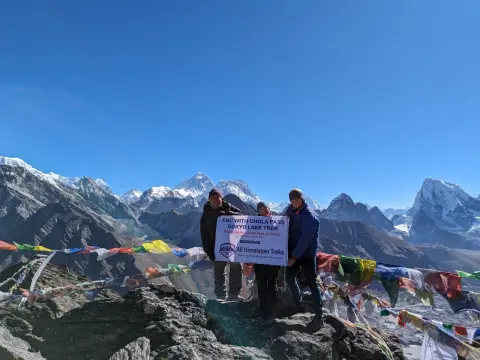
The Everest Base Camp trek is not only about the views of the mountains. You will experience the Sherpa culture, visit monasteries, see colourful prayer flags and meet other trekkers. Every day is a new adventure and memory of crossing suspension bridges to walking through remote villages.