 5.0 of 433 reviews
  5.0 of 309 reviews 5.0 of 433 reviews 5.0 of 309 reviews
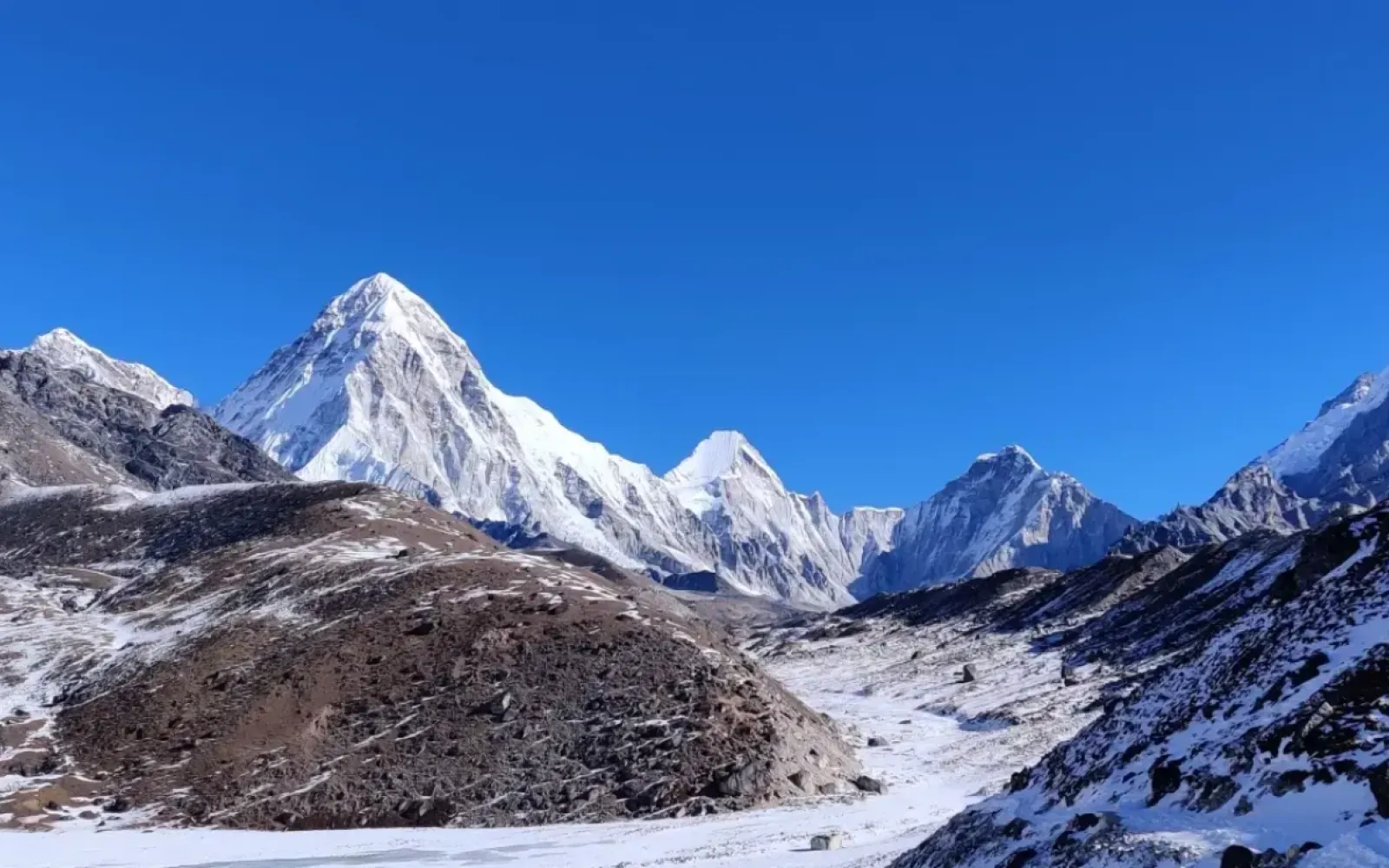
Standing at the foot of the world’s highest peak is a milestone that rests at the very top of many adventurers' bucket lists. For decades, achieving this dream required a grueling, multi-week round trip through the rugged terrain of the Himalayas. However, modern aviation and innovative travel itineraries have revolutionized how we experience the Khumbu region. Today, the Everest Base Camp with Helicopter Return offers the ultimate blend of authentic trekking and spectacular aerial luxury.
This hybrid approach allows you to experience the physical triumph of hiking to the base of Mount Everest, followed by a thrilling, time-saving flight back to civilization. You get to immerse yourself in the Sherpa culture, acclimatize properly, and conquer the trails, all while knowing a spectacular aerial exit awaits you.
Whether you are a seasoned hiker looking to save your knees on the descent, or a busy professional with limited vacation time, this guide covers absolutely everything you need to know about undertaking an everest base camp ebc with helicopter return.
An everest base camp trek with helicopter return is exactly what it sounds like. Instead of walking for 8 to 10 days up the Khumbu Valley and then spending another 4 to 5 days retracing your exact steps back to Lukla, you hike up and fly down.
Once you reach the ultimate goal—usually Gorak Shep, Everest Base Camp, and the Kala Patthar viewpoint—you board a high-altitude helicopter. Within minutes, you are soaring above the very valleys you just spent a week laboring through. This base camp adventure perfectly balances raw, boots-on-the-ground exploration with a premium, VIP conclusion.
For those who want the full trekking experience without the exhausting aftermath, incorporating a helicopter everest base camp pickup is a game-changer. It transforms a standard everest tour package into a modern, efficient, and unforgettable luxury experience.
When weighing a Helicopter return vs trekking back, travelers often find that flying out offers a multitude of undeniable advantages.
A standard EBC trek takes about 12 to 14 days of constant walking. By flying back from Gorak Shep (the highest settlement near the base camp), you shave 3 to 4 days off your itinerary. This makes the trip accessible to people who only have two weeks of vacation time, including international travel days.
Trekking uphill is hard on the lungs, but trekking downhill is notoriously brutal on the knees, hips, and lower back. Avoiding the long trek back from base camp means you can push your physical limits on the ascent without dreading the grueling, multi-day descent over rocky, uneven terrain.
At elevations exceeding 5,300 meters (17,388 feet), the human body is under immense strain. Even with proper acclimatization, lingering at these extreme altitudes can trigger Acute Mountain Sickness (AMS). A helicopter return provides rapid descent altitude sickness prevention. By dropping thousands of meters in elevation in a matter of minutes, your body gets immediate relief, instantly increasing blood oxygen levels and eliminating the risks associated with prolonged high-altitude exposure.
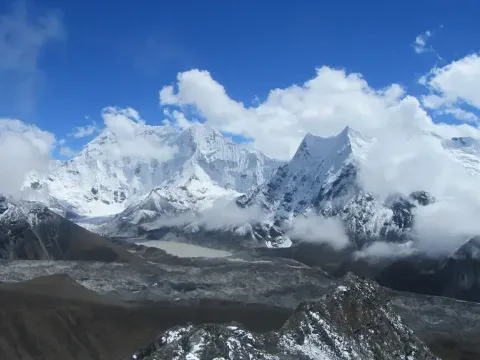
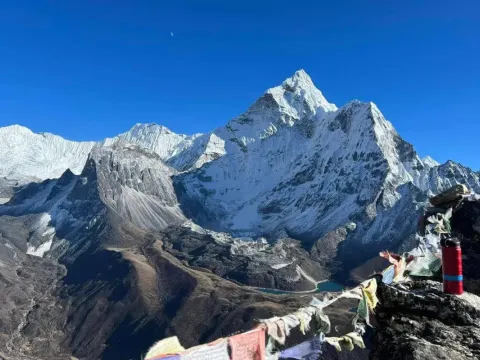
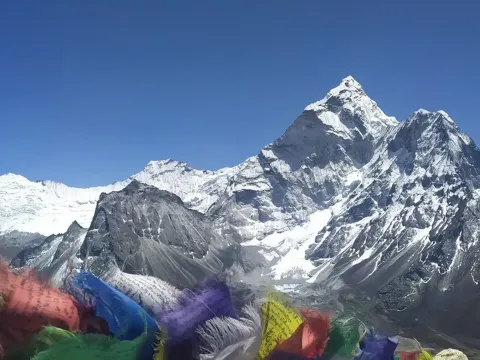
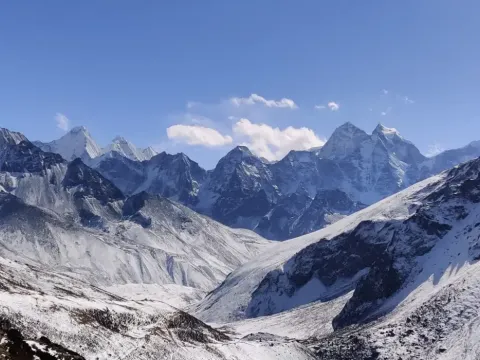
Walking the trails offers beautiful ground-level views, but nothing compares to an everest aerial view. Flying out grants you unparalleled sightlines of the Himalayan giants—Lhotse, Nuptse, Ama Dablam, and Everest itself.
To fully grasp the flow of this journey, it helps to look at a day-by-day breakdown. A well-crafted Luxury Everest trekking tour itinerary ensures proper acclimatization, comfortable lodging, and a spectacular finale.
Day 1: Arrival in Kathmandu Your journey begins in the vibrant capital of Nepal. You will meet your guides, go over your gear, and ensure all Sagarmatha National Park trekking permits are secured.
Day 2: Flight to Lukla and Trek to Phakding You will take an early morning fixed-wing flight (or sometimes a helicopter, depending on the everest tour package you choose) to Tenzing-Hillary Airport in Lukla. From there, it is a relatively gentle introductory walk alongside the Dudh Kosi river to the village of Phakding.
Day 3: Trek to Namche Bazaar This is a challenging day featuring a steep ascent, but it is deeply rewarding. You will cross the famous Hillary Suspension Bridge and catch your first fleeting glimpse of Everest before arriving in Namche Bazaar, the bustling heart of the Sherpa homeland.
Day 4: Acclimatization Day in Namche Bazaar To adapt to the altitude, you will hike to the Everest View Hotel for panoramic views, then return to Namche to sleep. This "climb high, sleep low" strategy is vital for a safe base camp adventure.
Day 5: Trek to Tengboche The trail winds beautifully above the valley, offering majestic views of Ama Dablam. You will visit the famous Tengboche Monastery, the largest active monastery in the Khumbu region.
Day 6: Trek to Dingboche Leaving the treeline behind, the landscape becomes rugged and alpine. Dingboche is a sprawling village known as the "summer valley," surrounded by stone walls to protect crops from harsh winds.
Day 7: Acclimatization Day in Dingboche A second rest day is required here. Most trekkers hike up Nangkartshang Peak for stunning views of Makalu and Cho Oyu, further conditioning their bodies for the final push.
Day 8: Trek to Lobuche The air becomes noticeably thinner as you trek past the solemn Chukwu Lhari monuments, dedicated to climbers who have lost their lives in the Himalayas. You sleep at the remote settlement of Lobuche.
Day 9: Gorak Shep and Everest Base Camp The climax of the trekking portion. You navigate the glacial moraine to Gorak Shep, drop your bags, and make the triumphant final push to Everest Base Camp (5,364m/17,598ft). After celebrating and taking photos, you return to Gorak Shep for the night.
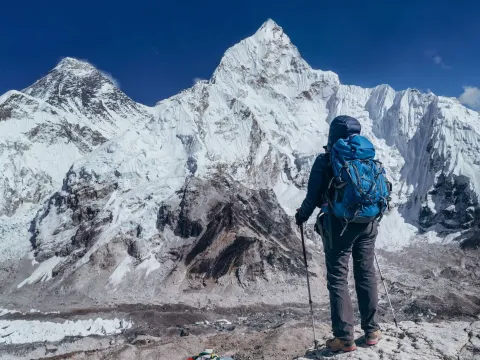
Day 10: Kala Patthar and Helicopter Return Before dawn, you hike up Kala Patthar (5,545m) to witness a life-changing sunrise over Mount Everest. Upon returning to Gorak Shep, you hear the distant chopping of helicopter blades.
You board the chopper. The Gorak Shep to Lukla flight duration is a mere 15 to 20 minutes, soaring over the exact valleys you just spent eight days hiking. Most premium packages include an everest base camp helicopter tour landing at everest view hotel in Syangboche. Here, you can enjoy a celebratory champagne breakfast on an outdoor terrace, gazing right back at Everest in pure luxury. Afterward, you continue your helicopter ride back to Lukla or directly to Kathmandu.
There is a distinct emotional shift when you transition from a weary trekker to a VIP passenger on an everest scenic flight. As the chopper lifts off from the dusty helipad at Gorak Shep, the sheer scale of the Himalayas reveals itself.
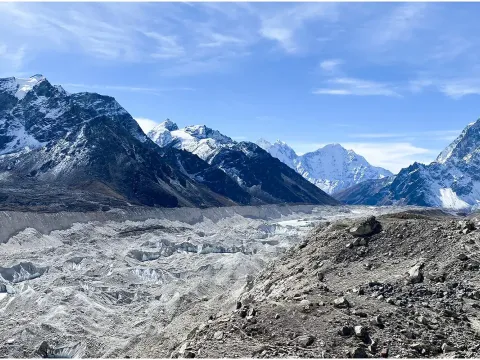
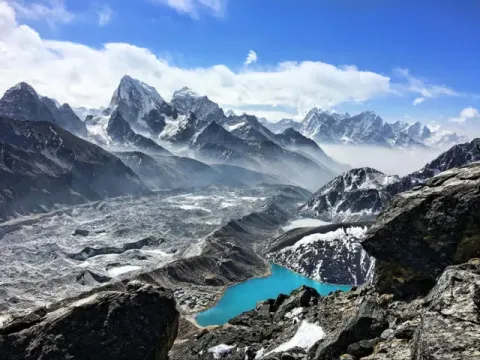
The highlight for many is the Aerial views of the Khumbu Glacier. From the ground, the glacier looks like a massive field of gray rubble and ice seracs. From the sky, you can clearly trace the massive, frozen river of ice snaking its way down from the treacherous Khumbu Icefall.
A helicopter sightseeing tour over this region provides a 360-degree panorama. You will look down on the tiny teahouses you slept in, realizing just how vast and untamed the Everest region truly is.
Taking photos through a helicopter window requires a bit of technical know-how. If you want to capture the perfect everest aerial view, keep these tips in mind:
When planning this adventure, budget is a primary consideration. Trekkers naturally want to know: Is a helicopter return worth the extra cost?
For the vast majority of people, the answer is an absolute yes. However, it is important to understand the everest base camp helicopter tour price structure.
The overall cost of an Everest base camp trek with helicopter return generally ranges from $2,500 to $4,500 per person, depending on the level of luxury, the group size, and whether the flight returns to Lukla or goes all the way back to Kathmandu.
If you are just looking at the Everest base camp helicopter tour cost (the flight portion alone), a seat on a shared helicopter flying from Gorakshep to Lukla typically costs between $1,000 and $1,300 per person. If you want to fly directly from Gorakshep all the way to Kathmandu, the cost jumps to around $1,500 to $1,800 per seat.
If you are traveling solo or as a couple, your trekking agency will usually consolidate you with other trekkers to fill a five-seat helicopter. This keeps the cost down.
However, if you want total exclusivity, you might wonder How to book private helicopter charters in Nepal. Most reputable trekking agencies can arrange a private charter on demand. A fully private helicopter ride Everest experience from Base Camp to Kathmandu will cost anywhere from $4,500 to $6,000 for the entire aircraft. This allows you to control the schedule and guarantees window seats for you and your chosen companions.
When checking Everest base camp helicopter tour reviews, you will notice that trekkers frequently highlight the relief they felt boarding the chopper. The combination of avoiding days of knee-jarring descent, the luxury of the flight, and the safety aspect makes the added investment highly justifiable.
What if you want to see the highest peak in the world but cannot commit to a 10-day hike? For those with limited time or physical limitations, a pure helicopter trip to everest base camp is the perfect solution.
An everest base camp tour by helicopter typically starts early in the morning from Kathmandu. You fly east toward the mountains, stopping briefly in Lukla to refuel. From there, the everest helicopter tour takes you straight up the Khumbu Valley.
The ultimate package in this category is the everest base camp helicopter tour with landing. Because helicopters cannot safely turn off their engines at Base Camp due to the altitude, the standard practice is to perform a brief hover or a quick 5-to-10-minute landing at Kala Patthar. This allows you to step out, feel the freezing Himalayan air, take an iconic photo with Mount Everest in the background, and immediately board the chopper before altitude sickness can set in.
Following this exhilarating helicopter tour everest, the pilot whisks you away to the Everest View Hotel for a relaxed breakfast. By midday, your everest base camp helicopter tour concludes back in Kathmandu. It is a spectacular half-day adventure that packs all the visual punch of a two-week trek into a single morning.
Operating aircraft in the thin air of the Himalayas is a highly specialized task. There are several strict logistical and regulatory factors you must be aware of when booking a helicopter Everest base camp experience. Please note that the journey even if it is the Luxury Everest Base Camp Trek, trekkers must obtain the permits for the trek. For an amazing Everest treks, you must acquire two permits. They are the Sagarmatha National Park Entry permit and the Pasang Lhamu Rural Municipality entry permit. The cost of the national park entry permit is NRs. 3000 to foreigners and NRs. 1500 to SAARC nationals. Please note that you can't trek in these trails without these permits. Only the registered trekking company like the All Himalayan Trails can provide you hassle - free permit acquiring services to offer uninterrupted trekking experiences in Khumbu Nepal.
Helicopters perform differently at high altitudes. The air is so thin at Gorak Shep (5,164m) that a standard Airbus H125 (the most common helicopter used in Nepal) cannot take off with a full payload of five passengers.
Because of strict High altitude helicopter weight limits, a helicopter can only safely lift about 250 kilograms (roughly 2 to 3 passengers depending on their weight) from Gorak Shep. If your trekking group consists of four or five people, the pilot will have to perform "shuttle runs." This means the pilot will fly two people down to a lower altitude (like Pheriche or Syangboche), drop them off, fly back up to Gorak Shep to collect the remaining passengers, and then consolidate the whole group at the lower elevation where the air is thicker and the helicopter can safely carry a heavier load.
Even if you plan to fly back down, you are still trekking up. Therefore, you must possess all the necessary documentation. This includes the Khumbu Pasang Lhamu Rural Municipality Entrance fee and standard Sagarmatha National Park trekking permits. If you book a comprehensive everest tour package, your guiding agency will handle all of this paperwork for you.
The Himalayas are notorious for rapidly changing weather. Cloud cover, high winds, and poor visibility can ground both fixed-wing planes and helicopters.
However, one distinct advantage of helicopters is their maneuverability. When looking into Lukla flight weather alternatives, helicopters can often fly safely in conditions that would ground a twin-otter airplane, as they can navigate lower through the valleys and land in tighter spaces. If weather delays your scheduled return, having a helicopter charter offers a much higher probability of getting out of the mountains and making your international flight home.
Even with a helicopter return, trekking to 5,364 meters is no walk in the park. You need to be prepared physically and time your trip perfectly to get the best experience.
Because you are skipping the descent, some people underestimate the physical requirement of the ascent. Training for short duration EBC treks should begin at least 12 weeks before your departure.
Weather will dictate the success of both your trek and your flight. The Best season for Everest luxury trekking is divided into two distinct windows:
Winter (December to February) is bitterly cold, and while flights operate, trekking can be harsh. Summer (June to August) is monsoon season, meaning heavy rain, leeches on the lower trails, and frequent flight cancellations due to dense cloud cover.
With the rising popularity of the Everest Base Camp with Helicopter Return, many operators now offer this itinerary. To ensure a safe and premium experience, do your due diligence.
The Everest Base Camp with Helicopter Return is undoubtedly the crown jewel of Himalayan adventure travel. It removes the most punishing aspect of the traditional trek—the long, repetitive descent—while maximizing your time, preserving your joints, and rewarding your uphill efforts with an unforgettable luxury flight.
Whether you opt for a full trekking ascent or a pure helicopter trip to everest base camp, the Khumbu region will leave an indelible mark on your soul. By embracing modern aviation, you can push your physical limits on the trails, stand in the shadow of the world's highest peak, and then take to the skies for an unparalleled aerial victory lap. It is, quite simply, the most spectacular way to experience the roof of the world.

Our travel experts are ready to assist you with any questions.
Send us a message.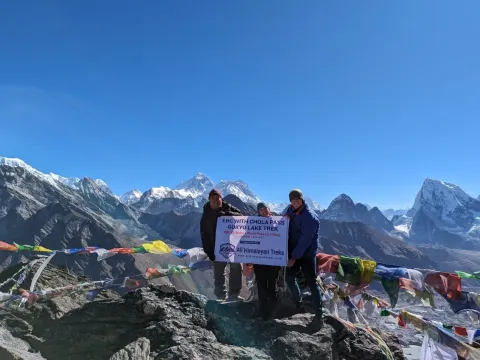
Have a question before you book? Send your enquiry below and our travel experts will get back with the required information.