
From Preparation to Summit: Everything you need to know about EBC Trek
10 Jun 2024
The EBC Trek, also known as the Everest base camp trek , is a popular trekking route in Nepal that attracts thousands of trekkers every year to witnes...

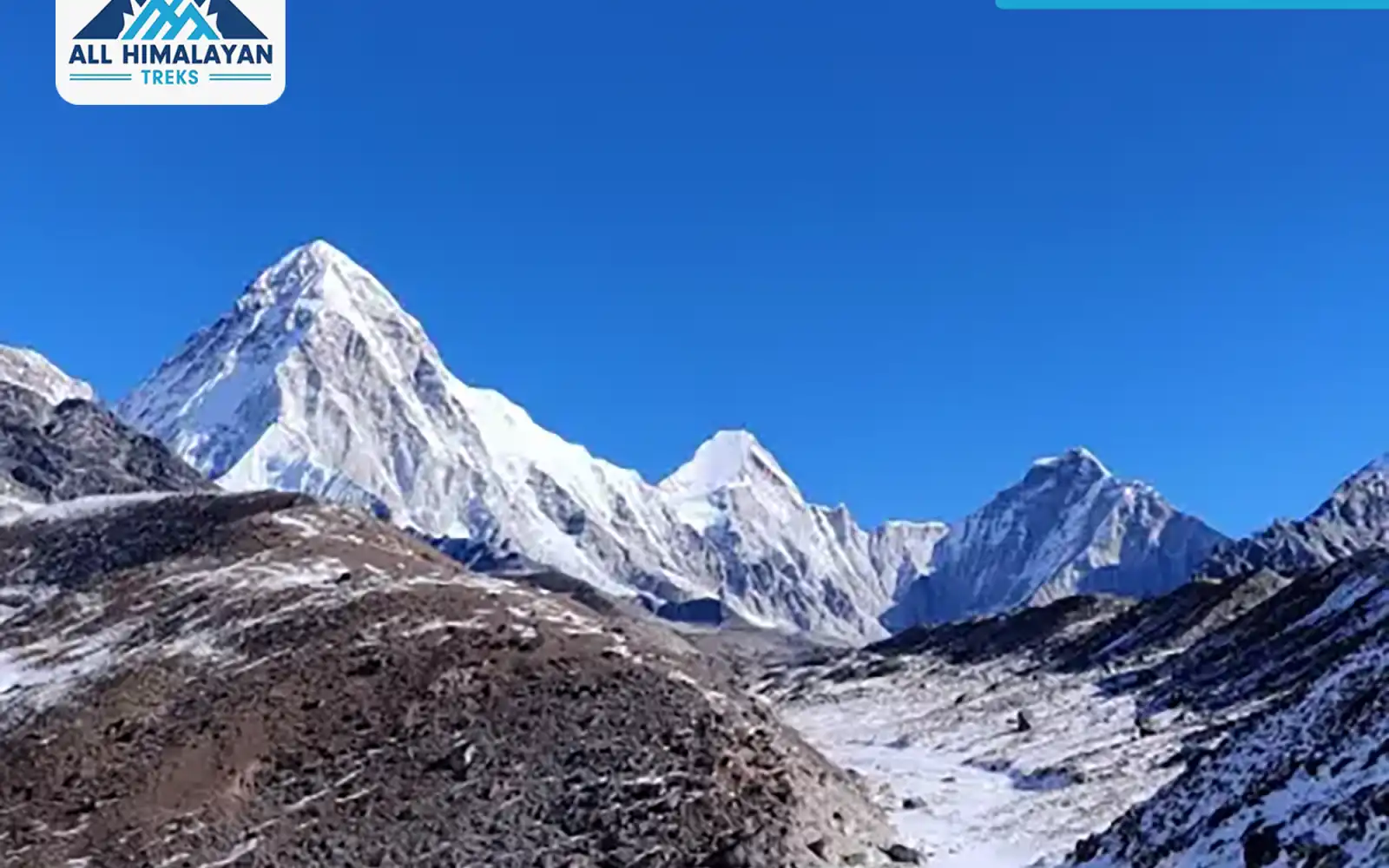
There are many adventure lovers who fantasize about doing the Everest Base Camp Trek. The view is spectacular and one feels great after completing the trek. However, the altitude becomes an important concern here. Altitude sickness is very commonly reported among the trekkers. “It can affect anyone irrespective of fitness levels. One needs to know how to avoid altitude sickness for a safe trek.”
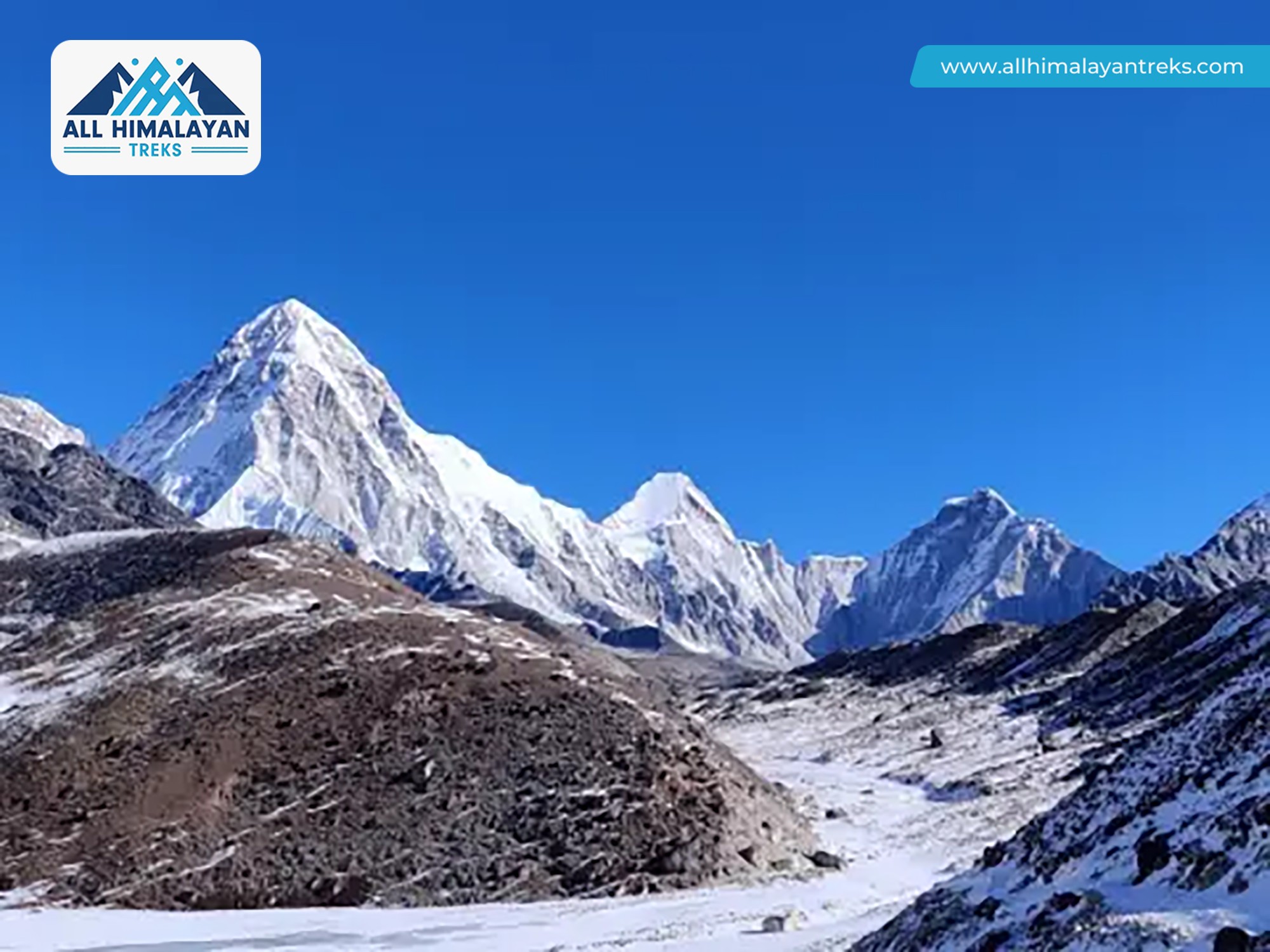
Acute Mountain Sickness (AMS), also known as altitude sickness, may result in headaches, nausea and fatigue. These effects may become worse without proper treatment. Precaution is always a wise step towards acclimatization. The primary prevention method involves trekking and hydration.
The following are some simple tips on how to avoid altitude sickness. Having the correct knowledge can help one have an awesome trek experience at the Everest Base Camp.
Acute Mountain Sickness is the problem experienced as one climbs to higher altitudes at a very rapid pace. At such altitude, your body is struggling to adapt to low amounts of oxygen. Quite common among trekkers to EBC.
Nausea, dizziness and headaches can be symptoms of it. But if not treated, then even more severe symptoms are possible. Altitude sickness may become life threatening under certain circumstances.
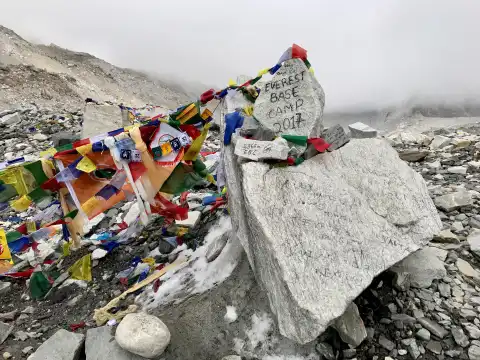
Altitude sickness is quite common above the altitude of 2,500 m (8,200 ft). Everest Base Camp is located at the altitude of 5,300 meters (17,500 feet). This highlights the importance of being conscious about this problem for trekkers.
The following are some of the factors which have an influence on it:
It is quite crucial to know about the risks to be able to prevent altitude sickness. You can reduce the risks of high altitude trekking if you prepare for it properly.
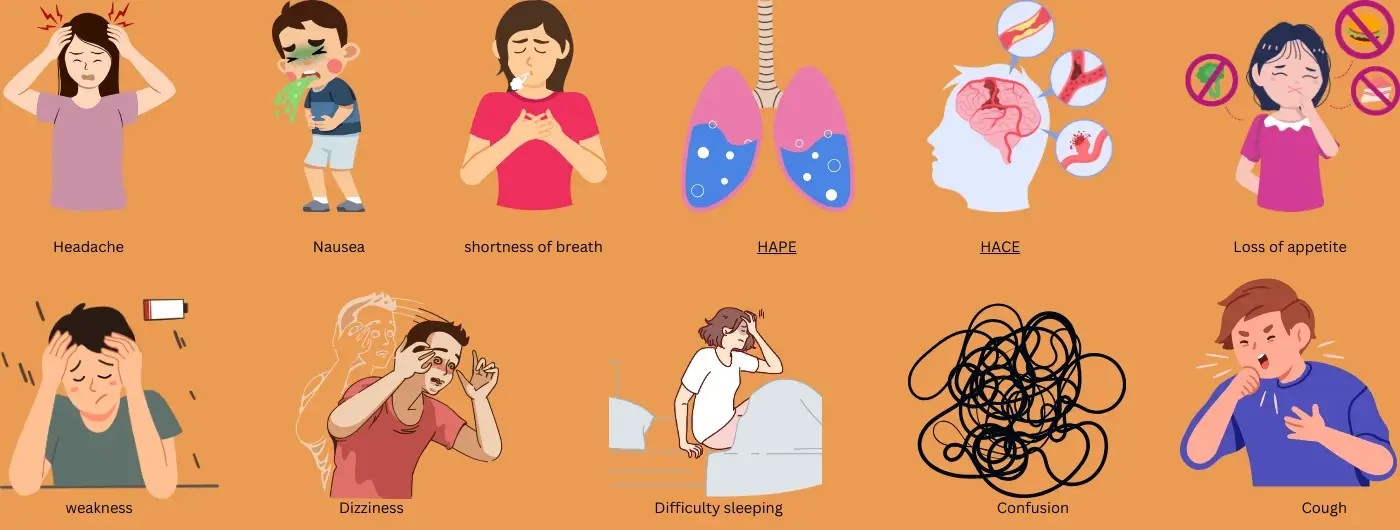
Identifying the symptoms of altitude sickness on time can help one avoid more serious conditions. Such symptoms like headaches, dizziness and tiredness usually develop within a few hours after reaching high altitude. You can travel fast if you detect them early.
They are usually mild and can seem like common fatigue that comes from trekking. However, if your symptoms do not go away and keep on progressing, you may need to think about it. Regular health checkups will be required.
Some serious symptoms like lack of appetite and insomnia will spoil your trekkers plans. Identification of such symptoms will help you understand when it's time to rest and when it's time to stop.
You should look for such signs:
The most important thing in maintaining your health is detecting these symptoms. You will not only be safe, but you will make the most of your EBC trek experience.
Acute mountain sickness (AMS) or altitude sickness is caused by the body failing to adapt to the lower oxygen levels at altitude. This is a common problem on the EBC Trek due to the high elevation gain. The trek takes you up to over 5,300 metres (17,500 feet) where the oxygen levels are far lower.
A primary cause of altitude sickness in trekkers is climbing too fast and not giving their bodies time to acclimatise. Your body needs time to adjust to these changes and if you hike too fast or without breaks this can slow the adjustment.
Altitude sickness is caused by a number of factors including:
Knowing these causes may help you take preventive measures. By taking the right approach and pace you can reduce the risk and have a safer trek.
In order to do the Everest Base Camp Trek, you have to be very strategic and plan accordingly. You have to know everything about the trek and about any problem that you might face due to altitude.
Physical fitness plays an important role in order to successfully complete the trek. Exercising will make your heart and lungs fit.
Increase Your Stamina. You can incorporate some activities like hiking, running, and cycling in your daily routine. This way you will be able to train your body for the physical demands of trekking at altitude.
Good equipment is also an important part. You need good quality boots, clothing and sleeping bags for the cold weather conditions. It must also be accompanied by a well-packed first aid kit.
Here are the main preparation steps to focus on in short:
By following these guidelines you can reduce the chances of high altitude trekking risks and enjoy a safe trip to Everest Base Camp.
Acclimatisation is very important for a trek to EBC. Safe adjustment helps your body adjust to lower oxygen at high altitude. The rise should be gradual.
One good way to do this is to employ the “climb high, sleep low” method. This means you hike up to a higher point during the day and down to a lower altitude to sleep. This technique is meant to make your body adapt better.
Incorporate acclimatisation days into your trekking schedule. Days are for relaxing and walking around on the same level. They help your body adjust to the new altitude and this helps prevent.
It is important to observe how your body responds. If you’re having headaches, tiredness or other symptoms, it could be a sign that you need to slow down. Listen to your body and learn what to change.
For better acclimatisation:
These will help you climb more easily and prevent sickness setting in.
Safe trekking practices on a daily basis are quite crucial to avoid sickness. Slow and steady is the way to go and your body will surely appreciate it. You are more prone to experience the symptoms when you are in a hurry.
Take time to think about yourself. Taking frequent breaks will help you from getting exhausted and at the same time observe any health changes that take place. It is better to stop than forcing yourself on the trek.
And remember about another vital factor hydration. Drink enough water every day regardless of how thirsty you feel. Maintain a good fluid level since the symptoms of sickness are often exacerbated by dehydration.
Here are some habits that will make your trek safer:
It’s the little things that can really make a difference.” They are good for your health and they will enhance your trekking experience. By following these guidelines you can ensure that your trek is a successful one.
A proper diet is imperative in order to maintain one’s energy level during a trek. The consumption of carbohydrate foods is especially helpful as they provide instant energy to your body. Consume such food as pasta, bread, rice.
Water is necessary. High altitude dehydration requires constant consumption of water. Drink 3-4 litres everyday. Alcohol and caffeine should not be consumed since they cause dehydration.
Proper rest allows your body to recover from physical exertion and adjust to high altitude conditions. Rest well every day. Experiencing fatigue may lead to sickness.
Key points to remember:
These practices will help you to have an even more enjoyable trek experience, as you keep your body well nourished, hydrated and rested.
The correct medicine will do wonders for your sickness condition, most of the time. One of the medicines that are commonly prescribed for sickness is the medicine called Diamox (Acetazolamide).
The use of this medicine allows one to adapt faster to higher altitudes. Over the counter medicines such as Ibuprofen may be taken for headache relief. According to some studies, ginger may be taken for nausea relief.
Some remedies you may want to know on your trek. Here is a short list of effective treatments:
These drugs and remedies can help you fight sickness and make your journey safer.
If symptoms of altitude sickness worsen, it’s important to act quickly. The best curative is to go to a lower elevation. This may help prevent serious conditions such as high altitude pulmonary oedema (HAPE).
Keep calm and talk to your group or guide. It is so important to get symptoms treated early. “Listen to your body and do something immediately for safety.
Here’s a quick list of emergency things you might want to do:
This can help you to avoid any risks and have a safer trek.
For trekkers heading to Everest Base Camp, experienced guides and trekkers can be very helpful. They emphasise being prepared and flexible on the trail.
Listen to the old hands and you'll be safer and have more fun. Here are some important tips to remember:
Apply these tips on your trek and you will be able to enjoy your journey and make it a successful one. Expert guidance to help you confidently navigate challenges.
Everest Base Camp Trek is a unique experience. Preparations and knowledge ensure the safety and pleasure during the trekking.
At the same time, it is necessary to know some information on altitude sickness and prevention techniques. Proper preparation and awareness of the signals sent by your body will allow you to avoid many troubles. In fact, the trekking process may be as interesting as the final point of the journey. Be prepared and take advantage of every opportunity to succeed.
If you have questions about preparing for the trek or need expert guidance, Contact our Himalayan trekking team. Our experienced guides can help you plan a safe and memorable Everest Base Camp adventure.
The EBC Trek, also known as the Everest base camp trek , is a popular trekking route in Nepal that attracts thousands of trekkers every year to witnes...

The Everest Base Camp trek is a dream adventure for many nature enthusiasts, hikers, and thrill-seekers. Embarking on this incredible journey offers a...

The Everest Base Camp (EBC) trek is an iconic adventure that draws thousands of trekkers each year. For those seeking a more challenging and scenic al...

Nestled in the towering peaks of the Himalayas, the Everest Three High Passes Trek is a challenging and exhilarating adventure that attracts trekkers...

IntroductionThe Everest Base Camp (EBC) Trek is a legendary trek in the Nepal Himalayas that draws trekkers from around the world. It offers stunning...
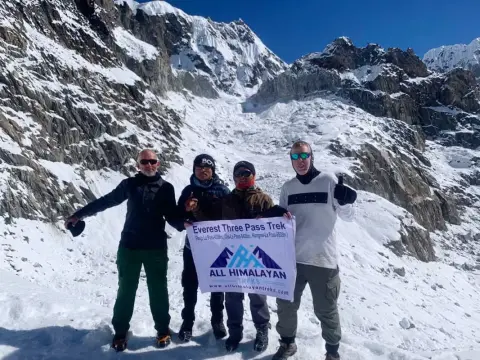
How Difficult Is the Everest Three Pass Trek?The Everest Three Passes Trek is a famous circuit in Nepal’s Khumbu (Everest) region. It typically lasts...
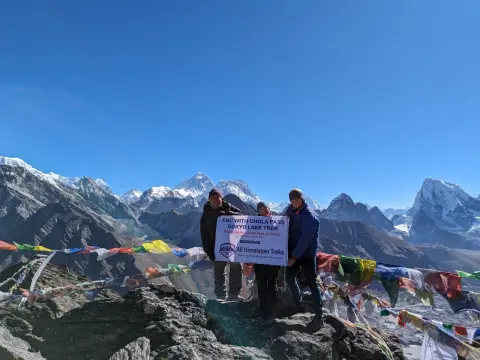
15 Days Everest Base Camp Chola Pass Gokyo Trek: Cost, Itinerary & Best Time Explained (2026/27/28 Guide)The Everest Base Camp via Cho-La Pa...
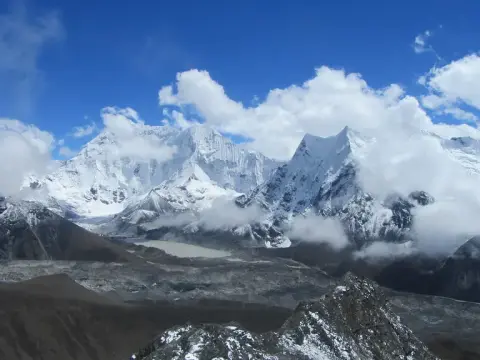
Climbing Island Peak with the Everest Three Passes Trek: When to Go and How to PrepareThe Everest Three High Passes Trek with a climb of Island Peak (...
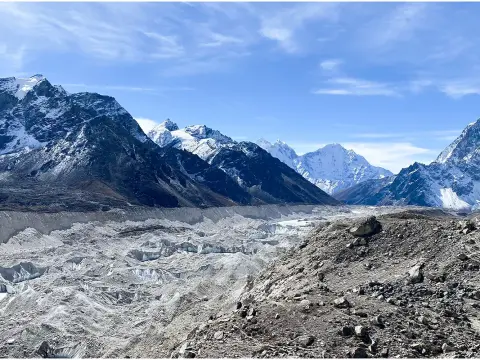
Everest Base Camp Trek and its AppealEverest Base Camp trek is one of the famous treks in the world. It takes you to the base of Mount Everest, the hi...
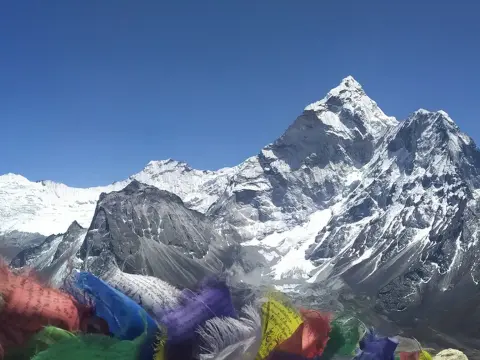
Everest Base Camp (EBC) is the world’s most famous trek. In this 11-day package, you trek the classic EBC route and fly out by helicopter from Gorak S...
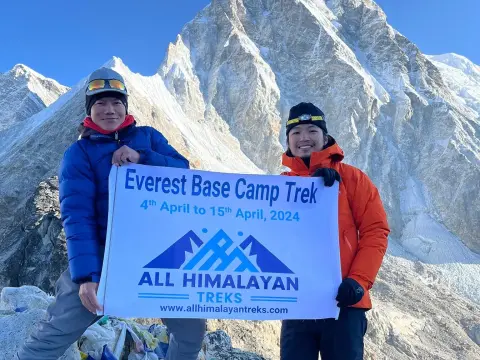
Most serious adventurers have the Everest Base Camp Trek at the very top of their checklist — and there are great reasons for that. This exciting trek...
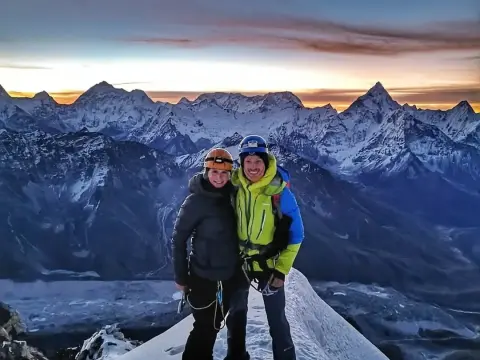
Few adventures in the world of trekking can match the sheer ambition of combining the Everest Three Passes Trek with a summit of Island Peak. This iti...
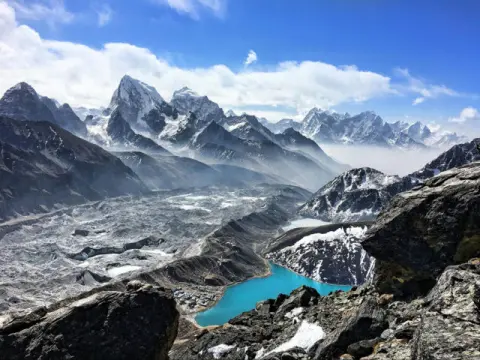
The Everest Base Camp trek via Gokyo Lake is often described as the most complete long-distance walking circuit in Nepal’s Khumbu region: it combines...
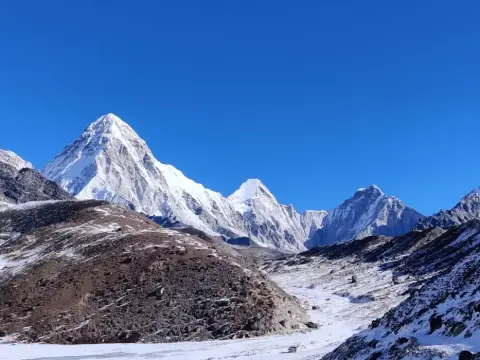
Everest Base Camp Trek is one of the most famous and sought-after adventures that can be taken at high altitude, yet it requires far more from the tre...
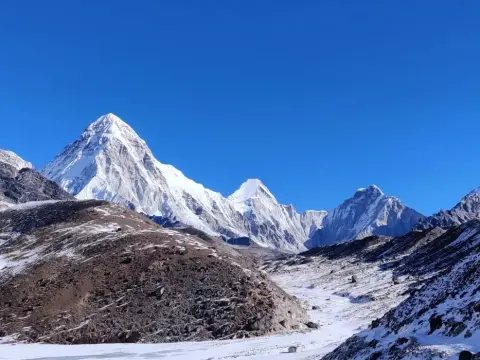
Everest Base Camp with Helicopter ReturnEmbark on a journey to the heart of the Himalayas with the Everest Base Camp trek. This adventure offers a uni...
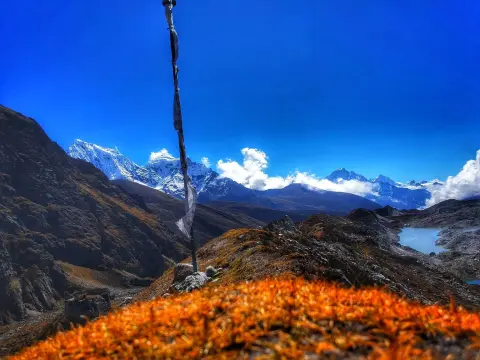
There is no trekking adventure on earth that pushes the limits of the human mind and body more than Everest Three Passes Trek does. While most treks i...
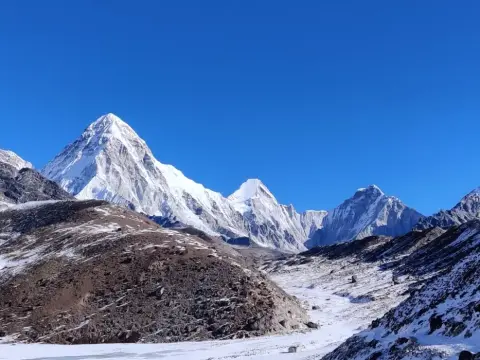
Everest Base Camp with Helicopter ReturnStanding at the foot of the world’s highest peak is a milestone that rests at the very top of many adventurers...
Everest Three High Passes Trek GuideHello travelers from across the globe! Are you excited to learn in brief about the most challenging trekking route...
Luxury Everest Base Camp Trek vs Helicopter TourStanding in the shadow of Mount Everest is a dream shared by travelers from every corner of the world....


